
There’s one game you can play with your child that’s easily customizable. It offers endless variations, ability levels, and lengths of time, all while getting your child out and about to meet neighbors and spend time in the great outdoors. It’s something you can do for 30 minutes before dinner or for a few hours one lazy Saturday afternoon.
It’s a neighborhood scavenger hunt! Whether you have a 2-year-old or a 10-year-old, one child or multiple kids, an hour or a whole day — you can plan the perfect neighborhood scavenger hunt to pass the time. Here are a few fun neighborhood scavenger hunt ideas for kids.

The basic neighborhood scavenger hunt
The basic neighborhood scavenger hunt involves finding things usually found in your neighborhood. If you live in the suburbs, this could be things like basketball goals, motorcycles, or sprinklers. If you live in the city, it could be cats in windows, cement front steps, or a decorated front door.
You’ll need:
- A printable scavenger hunt list
- A pencil
- A sense of adventure
Use a simple document creator to make a checklist for your children with everyday neighborhood items. Older children can read words, while younger children might do better with pictures.
Tailor the amount of things on your list to the time that you have available. If you have only 30 minutes, five or so things would be appropriate. If you’re killing time for several hours in the morning, more items will help fill the time.
The nature walk
Whether you live in the city or a small town, a nature walk in your neighborhood is a great way to engage kids and foster an appreciation for the environment and its little details.
You’ll need:
- A notebook
- Crayons, color pencils, or regular pencil
- A planned route
For a low-key scavenger hunt, you could plan a simple set of items to find — think something green, something brown, and something colorful. Have children stop to observe what they see and draw it in their notebooks.
For something more involved, you might try a seasonal theme — five spring flowers or five signs of fall. Again, have your child or children draw in the notebook what things they find along the way.
You could also take a long walk through your neighborhood and look for unexpected signs of nature growing. Grass growing in a sidewalk would be a good one or an unusual bug on a mailbox. This could take some more time and is perfect for a long afternoon walk.
The people walk
Observing the people in your neighborhood is also a fun way to connect with those around you. Set a theme based on how well you know your neighbors and remember to avoid putting items on the list that might make others feel bad.
You’ll need:
- A notebook
- A pencil
- A sense of curiosity
If you don’t know your neighbors that well, but you’d like to get to know them, you could start with simple observations — someone working in the yard, someone exercising, and someone washing a car. Take your notebook and introduce yourself. Have your neighbor sign the notebook with their initials or full name, whichever makes them comfortable.
If you know your neighbors reasonably well, you could get more elaborate. Go for interests, common hobbies, or anything else your child would know about the neighbors.
House hunt
If you have a longer time to walk your neighborhood, it would be a great idea to go on a house hunt. Take an unexpected route and look for those little details you love.
You’ll need:
- Notebook and pencil or pen
- A camera
- A list of different house features
For younger kids, simple things like the color of front doors or the type of house will suffice. For older kids, this could be an excellent time to build awareness of detail, learn about architecture, or find types of materials.
If you feel comfortable taking pictures of houses (for example, if you live in a historic district and that is common), allow your children to photograph their findings. If you aren’t sure of your surroundings or don’t want to make someone uncomfortable, have them draw or color.
You could even use simple tools like a word document to create a printable scavenger list that allows them to cross off items as they find them. This works well in situations where you don’t want to make someone uncomfortable by stopping to draw or take a picture.
Keep these things in mind
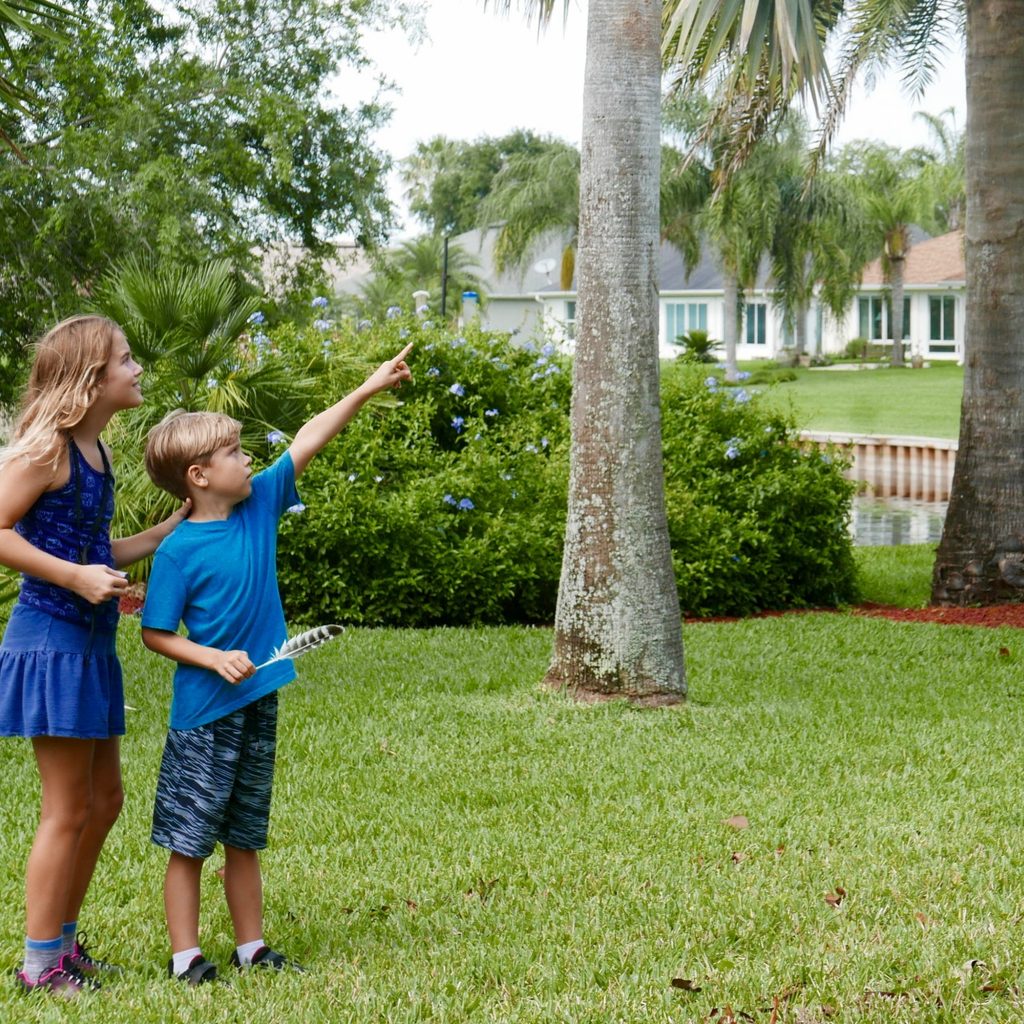
Always be aware of your surroundings as you do a neighborhood scavenger hunt. Your neighbors may not appreciate photographs or want someone walking onto their property. You should remember what’s appropriate and tailor your scavenger hunt to follow those guidelines.
Be creative, and use your scavenger hunt ideas to create learning experiences and have fun bonding as a family. The endless combinations of things for your scavenger hunt can help your child enjoy being outdoors with you while also providing critical engagement.
This is your chance to help your child develop a sense of adventure and encourage natural curiosity. It’s time you elevated your walks, your games, or your time outside with something that brings a sense of wonder.