
Most types of games have winners and losers. While many kids, especially sports minded ones, thrive on the excitement of competition, not all children do. Some actually shy away from competitive sports at recess or in their free time because of the stress and frustration it causes. Just like when we were kids, no one likes being the last player picked in gym class or on the playground. Of course, there isn’t anything wrong with playing competitive games. They teach kids an important skill set, but so do noncompetitive games.
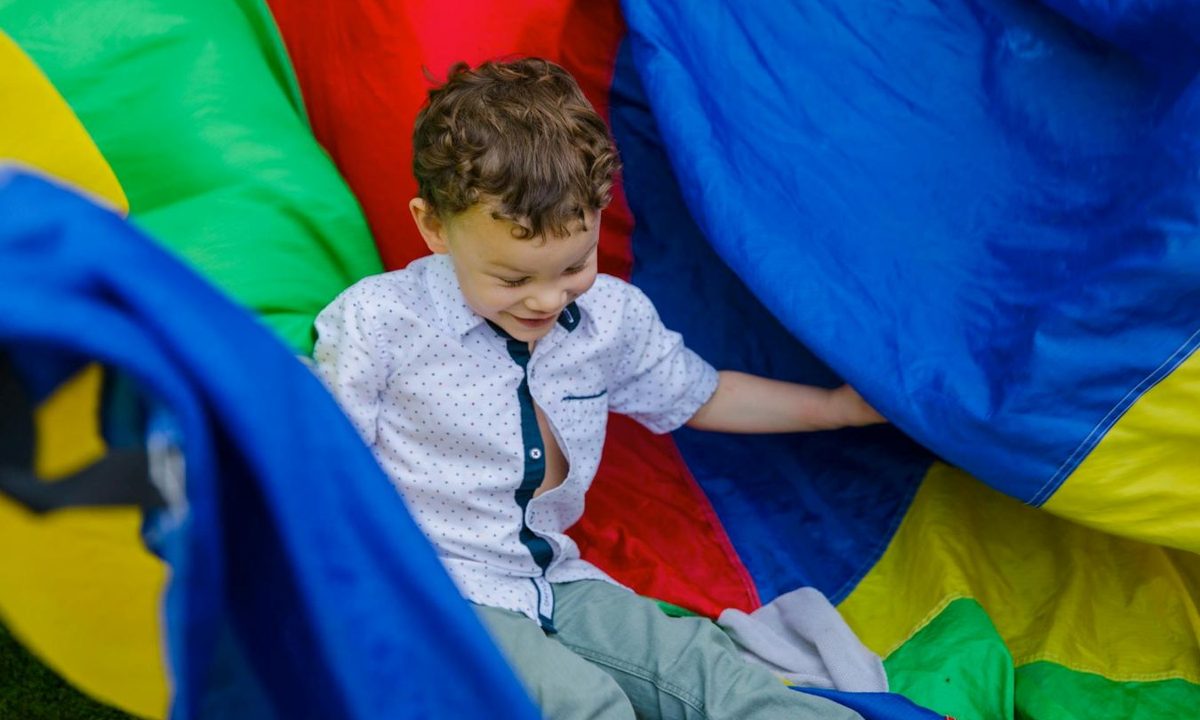
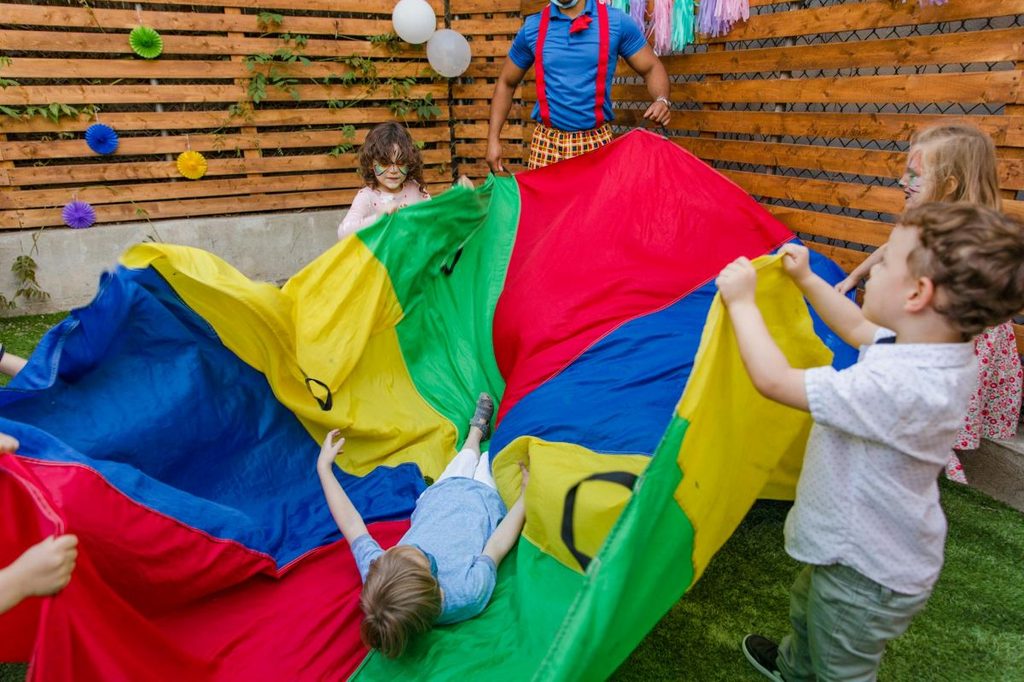
Noncompetitive games for kids are nothing new. They’re played at school and summer camps. In noncompetitive games, the emphasis is not on winning. Instead, noncompetitive games for kids are more about the activity itself as well as working together to achieve a common goal. Think about games involving a parachute. All the participants have to be engaged in order for the activity to work. Noncompetitive games offer benefits too. They encourage social interaction, they help kids work on hand-eye coordination, and they develop self-esteem and self-confidence while fostering cooperation.
Competitive kids may have some difficulty adjusting to a noncompetitive game environment. So, it’s a positive thing to promote a healthy balance of both. If you’re looking for the best noncompetitive games to play with your kids at a party or at the next family game night, we’ve got some super fun suggestions.
Noncompetitive game ideas for kids
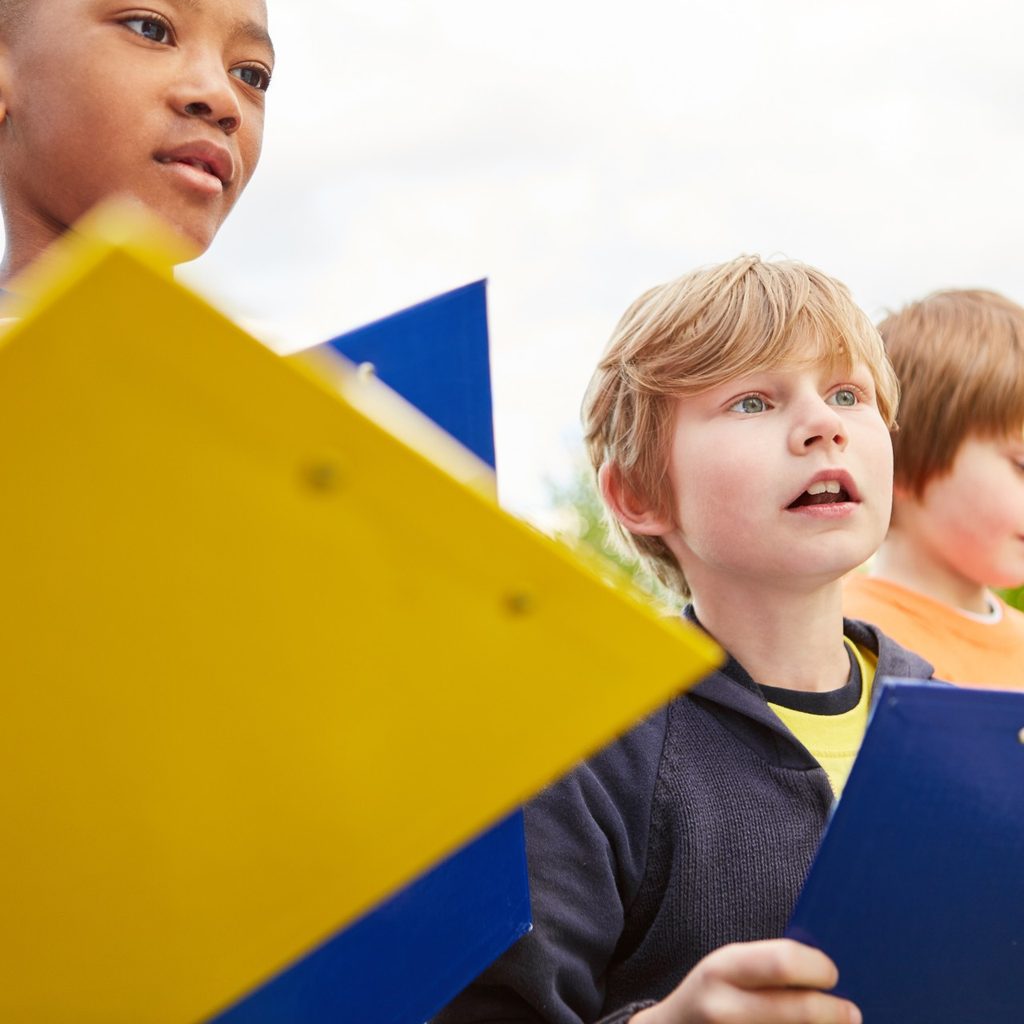
Cooperative games are a perfect activity for kids at birthday parties, summer camps, schools, or any kind of gathering. You can even incorporate noncompetitive games into family game night. If you want to get your child to participate in cooperative activities, we have a few suggestions that are always a hit.
Scavenger hunt
Hosting a scavenger hunt is such a fun activity. You choose a theme and some clues. All the kids work together to move from one clue to the next. You could make it an indoor or outdoor activity. Then, choose a group prize or treat everyone can share.
The telephone hame
This is a popular kids’ game and has been for generations. Have all the children stand in a line. The first player creates a secret message that they whisper to the next person in line. Then, the second person whispers the message to the third person, and so on. You keep it going until the last person in line receives the message. That person announces the message they heard. It’s hilarious to hear how different the last message can be from the initial one.
The balloon game
Blow up balloons and let the children bat them around the room. All the running around is a great way for kids to burn off energy. This is super fun to do at a birthday party.
Freeze dance
Get some fun music that the kids love. Tell them to spread out in the room. When the music starts, the kids dance, dance, and dance. When the music stops, all the kids must freeze where they are, no matter their position. It’s really entertaining to see the poses they freeze in. Then, the music starts again, and it repeats. Don’t eliminate kids if they don’t freeze if you want this to be a noncompetitive game.
Noncompetitive board games to play with kids

Board games are a great way for kids to spend time with friends while secretly teaching them some life skills. Many board games are competitive, but here are some noncompetitive ones to choose from.
Race to the Treasure
This board game teaches the value of working together as a team. This is perfect for ages four and up. Players strive to reach the treasure before the ogres do. It’s a game where everyone plays together, no one is left out, and everybody has a great time.
Outfoxed
Outfoxed is like a version of Clue for young kids and is ideal for ages five and up. Mrs. Plumpert’s prized pot pie has gone missing. A fox has stolen it, and the players have to work together with the clues to figure it out before he escapes into the foxhole. It’s a great deduction game to play with kids that teaches basic logic and tests memory. It’s definitely a fun, cooperative game for two to four players. It’s a lighthearted, kid-friendly mystery.
Quick Cups Board Game
This speed-stacking game is a fun team game for kids ages six and up. You flip over the deck of 24 picture cards, then race to stack your cups in the sequence shown on the card. Then, ring the bell when you are done. It’s a fast-paced game that is a blast for the whole group.
More noncompetitive games and activities for kids
Not all kids are into team sports. So, if you are searching for physical activities for kids that are noncompetitive, there are plenty of individualized sports and outdoor activities that don’t put the emphasis on winning and losing.
There is also a varied selection of indoor and outdoor activities that aren’t centered around competition. When you want to encourage your kids to try something new in an environment not focused on competition, consider these noncompetitive activities that are always a hit.
- Martial arts
- Yoga
- Surfing
- Indoor rock climbing
- Kayaking
- Hiking
- Photography
- Cooking
- Art
- Robotics
- Horseback riding
- Charades
- Treasure hunt
Cooperative, noncompetitive games cultivate emotional development, shared decision-making, positive self-esteem, and creative problem-solving. Plus, they develop a sense of community in a non-stressful play environment. Noncompetitive games show kids that it’s not only about winning or losing. It’s about if you had fun trying.
Noncompetitive games teach kids to communicate and have kindness and respect, which are all skills that help them succeed later in life. Remember that balance is important, too. While competition may stress some kids out, it is a part of life. Every game shouldn’t be noncompetitive. So, when you’re looking to change things up from the normal competitive activities, try these best noncompetitive games everyone will enjoy.