
Each trimester of pregnancy brings new changes and challenges, but once you’ve reached your third trimester, most people start to relax, knowing they’re finally in the home stretch. While your excitement to finally meet your baby is growing, so is your belly, and you may begin developing some new pregnancy symptoms at this time that may or may not cause alarm. Heartburn, insomnia, and the inability to get comfortable anywhere are all part of the realities of the third trimester.
While many of the aches, pains, and annoying symptoms you’ll deal with during the third trimester are totally normal, there are some red flags you’ll want to pay attention to and immediately call your doctor if you experience them.
It can be a bit confusing to know if what you’re feeling is a normal part of pregnancy or if it’s something more serious. Call your doctor immediately if you have any of these third-trimester problems we’ve listed below. When it comes to you and your baby’s health, you can never be too careful.
Extreme vomiting
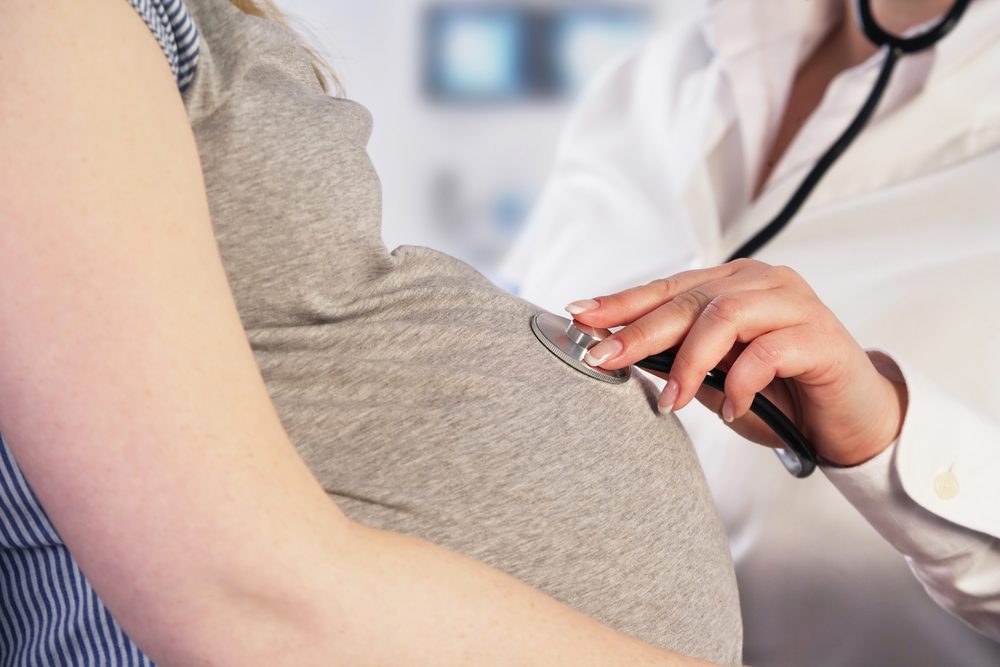
It’s been weeks since you’ve had morning sickness, but nausea and vomiting during the third trimester could be symptomatic of something more serious. If you are throwing up and cannot keep any liquids down, it’s time to call your doctor. “This can lead to severe dehydration, which isn’t good for you or your baby,” Isabel Blumberg, M.D., and OB-GYN tells Parents. While you could have a stomach virus or food poisoning, it could be a sign of something more serious and your doctor may want to give you IV fluids to keep you and the baby hydrated.
Extreme swelling

During the third trimester, it feels like every part of your body is swollen. You’ll notice more swelling in your feet and ankles, especially if you’re often on your feet during the day. Since your body is producing about 60% more blood and your growing uterus is putting pressure on your veins, you can expect to see swelling in the lower half of your body during the third trimester. However, you want to be on the lookout for extreme swelling, swelling in places like your hands and fingers, or swelling that doesn’t go away if you drink lots of water and put your feet up.
“If you notice sudden swelling, asymmetric swelling — such as one leg being larger than the other — or one calf being warm or tender to the touch, see your physician right away,” wrote Shivani Patel, M.D. Obstetrics and Gynecology at UT Southwestern Medical. “These could be signs of a blood clot. Swelling in non-dependent parts of your body like hands and fingers may suggest the development of preeclampsia.”
Back and hip pain
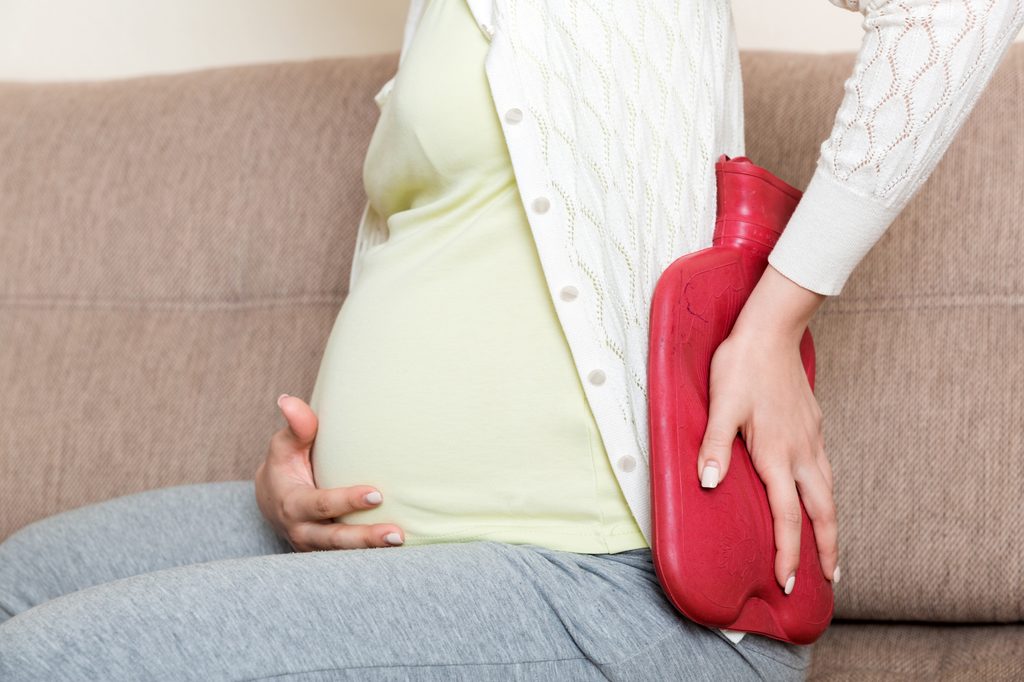
Aches and pains are a part of pregnancy and you’ll have a lot more discomfort during your third trimester. However, if you feel sharp pains in your belly, back, or hips, or feel a pain that doesn’t go away, it’s time to call your doctor. “If you have unrelenting pain, a deep and sharp pain, or have become unable to walk or get up, see your doctor,” wrote Dr. Patel. “Also, if you are experiencing a rhythmic pain in your lower back every few minutes, it may be contractions, which sometimes present as low back pain.”
Lack of fetal movement
By the time you hit your third trimester, you’ll be accustomed to feeling your little one kick, punch, and roll around in your belly. It really is one of the most amazing parts of pregnancy. However, in your third trimester, if you feel a slow down or no movement at all, it’s best to reach out to your doctor. “Usually it’s nothing, and the baby was just being especially still,” said Dr. Blumberg. “But your doctor will probably want you to have a stress test or an ultrasound to make sure there aren’t any problems.”
Most doctors recommend doing a kick check where you check for 10 movements within 10 minutes. If you start counting kicks, but don’t feel any movement, drink a glass of fruit juice — this will boost the baby’s blood sugar and get them moving and grooving — then lie on your left side for half an hour. If you still don’t feel any movement or 10 movements in 10 minutes, call your doctor so they can check in with you and the baby.
Heavy bleeding
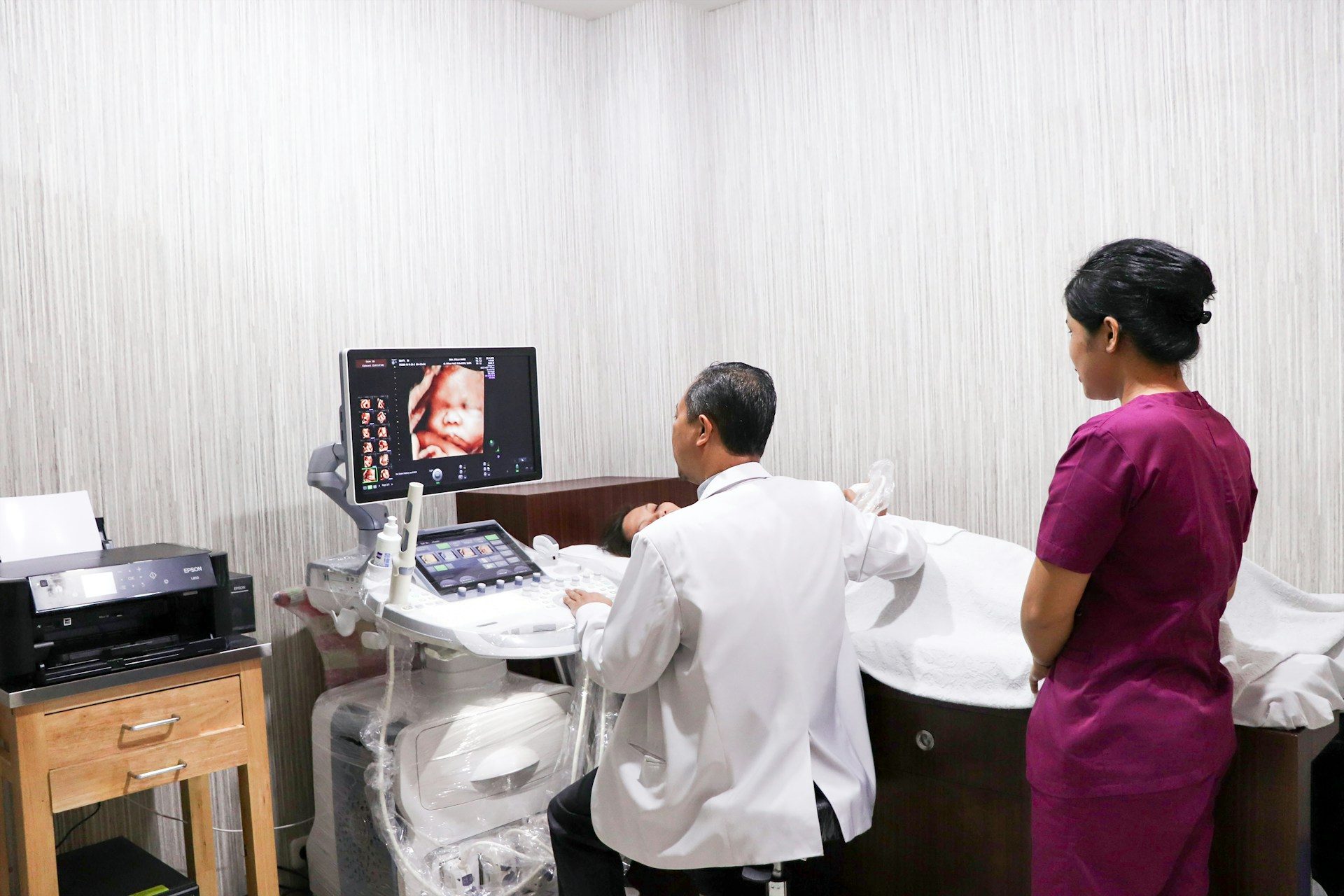
You should contact your doctor immediately if you begin to experience any vaginal bleeding in your third trimester, especially if the flow is heavy. Pink or bloody discharge is often a sign that labor is starting, so it’s important to reach out to your healthcare professional. Bleeding is a third-trimester problem that can also be an indicator of certain complications such as;
- Placenta previa – when the placenta grows in the lowest part of the womb (uterus) and covers all or part of the opening to the cervix.
- Placenta abruptio (abruption) – when the placenta separates from the inner wall of the uterus before the baby is born.
When the third trimester rolls around, there are so many emotions a mom-to-be is feeling. While your emotions may be up and down, you’ll also feel many new symptoms during the third trimester. Your doctor will tell you that many of these aches, pains and strange things happening to your body are totally normal. But it’s good to check in with yourself and your body to be aware of any symptoms you’re feeling.
During your next appointment, talk to your doctor about the best ways to reach her if you do have an emergency. Make sure you know who to call after hours and on weekends, and it’s also good to know where your nearest emergency room is located, just in case. While it can be scary to think about these things, it’s best to plan ahead for your safety and for your baby’s safety too.


