
Pregnancy comes with a few questions, one of which involves dying your hair while pregnant. To a slight degree, you can let go of your worries since the chemicals might not pose a major hazard to the developing baby. At the same time, you’ll need to keep in mind that very few studies have been conducted relating to this matter. Therefore, information is limited.
Nonetheless, we have looked into this topic further to bring you the answers that will help you to make the best decision for you and your baby.
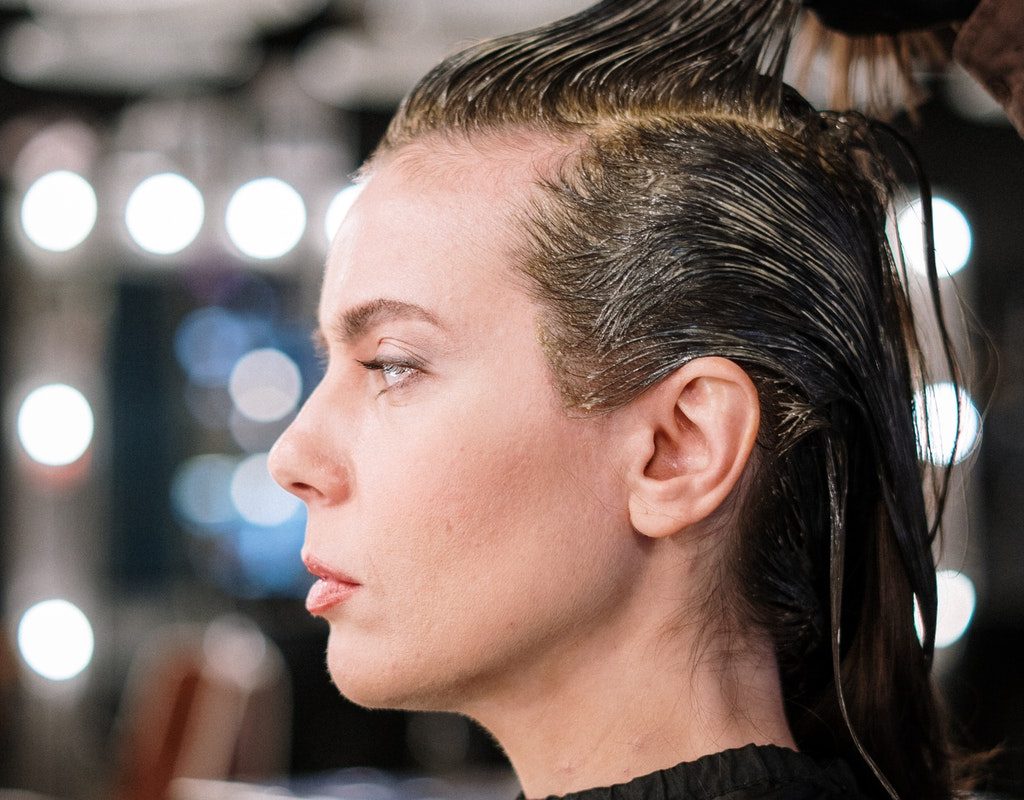
Is it safe to dye my hair while pregnant?
According to Dr. Yvonne Butler Tobah, M.D. of the Mayo Clinic, the scalp absorbs a limited amount of chemicals when you apply hair dye or any other cosmetic product. Despite the sparse amount of information about the effects of dying hair while pregnant, Dr. Tobah mentions that in general, the chemicals themselves are not perceived as being harmful to the developing baby. Furthermore, only small amounts of the chemicals get absorbed into the body through the skin during dye application, thus making the exposure less harmful to your little one. In other words, researchers and practitioners recommend that as long as small quantities get into your skin, then both mom and baby should be safe.
Safety tips
Despite the mixed reactions concerning the topic, some experts agree that pregnant women should minimize exposure to the substances found in hair dyes. Whether you’re looking at products off the store shelf or the ones from your favorite salon, most contain chemicals such as
- hydrogen
- peroxide
- ammonia
- parabens
- sulfites
Luckily, there are ways to mitigate exposure to these substances. Here are some tips from Healthline that have been reviewed by Nicole Galan, R.N.
- Make sure you have no cuts on your scalp or surface irritation. Either one of these conditions can increase the risk of chemicals absorbing into your skin and then getting into your bloodstream
- Find a room that’s well ventilated. It helps you to avoid inhaling the fumes from the dye which can be bothersome if not harmful.
- Read all instructions on the package before use. Closely looking at the recommendations will help you to make a more informed judgment call about whether to go through with it
- Wear plastic gloves when applying and rinsing out the dye
- Consider waiting until after your second trimester. During the first trimester, the baby is rapidly growing and undergoing the most neurological development. Hence, after the second trimester, the risks are minimal.
Also, you should not leave the dye in for longer than the recommended amount of time. Additionally, you’ll need to rinse your scalp thoroughly after dyeing your hair and wipe any stained areas of your hairline, neckline, and ears to remove the excess dye completely. Remember that minimizing your exposure to the dye is the best safety measure.

Alternatives to dyeing hair while pregnant
Instead of using an all-over color, you can opt for hair treatments that require less exposure and less time. Some of these options include:
- Streaks
- Highlights
- Frost
Also, you can go for a look that’s similar to the ombre effect where you start about halfway down the hair shaft. Basically, the idea is to decrease your scalp’s exposure to the dye or even avoid it altogether.
Another alternative is choosing natural plant-based dyes like those made from henna or other herbs. These options might still contain a small amount of chemicals, but the volume would not be as high as other types of dyes. Plus, you wouldn’t have to worry about plant-based products containing ammonia, parabens, or any of the other previously mentioned chemicals. Better yet, some of these products don’t require a developer and can simply be mixed with water or come already pre-mixed. And while most of the organic products come in semi-permanent formulas, these are still safer compared to synthetic dyes.
All in all, being pregnant does not mean that you have to take a break from your personal beauty regimen. Instead, you will simply alter your routine. Fortunately, exposure to the dye doesn’t appear to pose too high of a risk—though further study needs to be done to determine what degree. However, you can always use plant-based products when dyeing your hair while pregnant.