
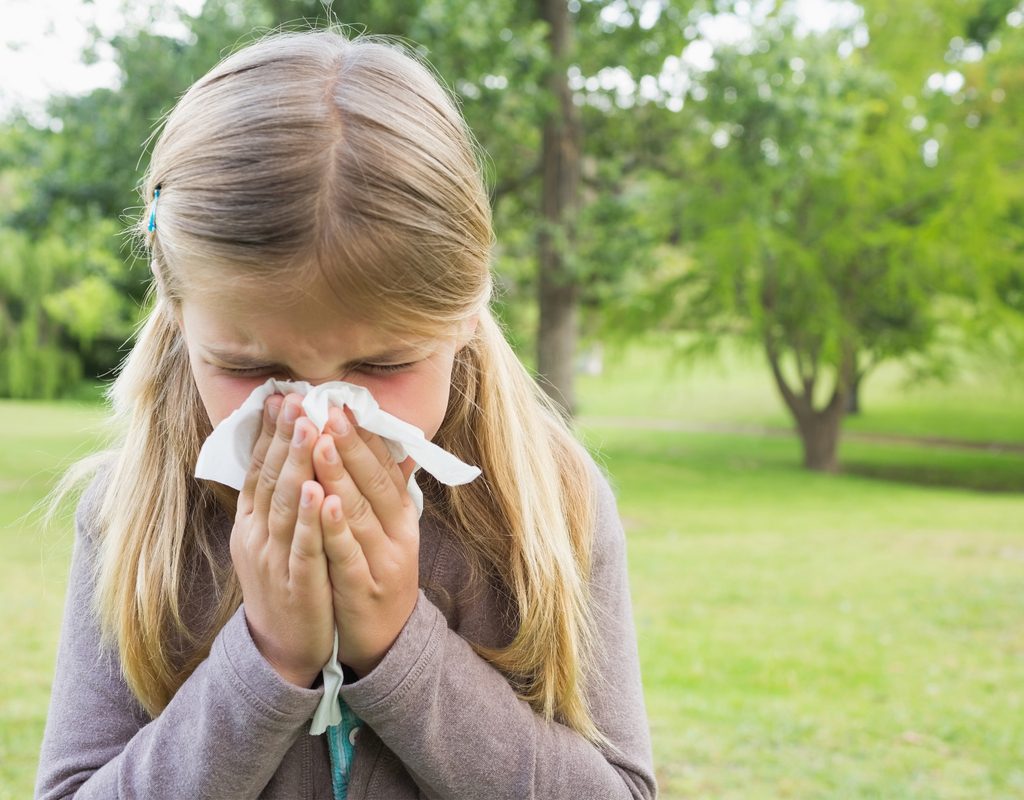
Typically spring allergies begin to amp up around the time the groundhog pokes his head out to determine whether or not winter will continue its run or spring makes an early appearance. According to the American College of Allergy, Asthma, and Immunology, children who tend to develop coughs and sneezing during certain parts of the year may actually have seasonal allergies. Spring allergies can begin in early February and continue through the start of summer. Grass and tree pollination is usually the root of spring allergies while ragweed is a fall trigger. So, how can parents tell whether the constant sneezing or the tickle in the throat causing a cough is related to seasonal allergies or is an infection? Be on the lookout for these allergy symptoms in children especially if they crop up at certain times of the year.
How do I know if my kid has spring allergies?
Seasonal allergies can present themselves in different ways in kids according to the American College of Allergy, Asthma, and Immunology. The five main kids seasonal allergy symptoms to be on the lookout for are:
- sneezing
- runny nose
- itchy eyes, nose, and throat
- coughing
- difficulty breathing or asthma
Seasonal allergies can sometimes cause children to develop skin rashes or hives. Allergy symptoms occur when a child is exposed to a trigger. Outdoor triggers are usually tree, grass, and plant pollen along with insect bites or stings. Indoor allergy triggers are typically pets, dust, or mold. Sometimes inhaled irritants can cause allergy symptoms too. Cigarette smoke, perfume, and car exhaust are often the culprit when irritants are the cause of allergy symptoms.
The first step to determining the trigger for spring allergies is to keep a diary. The American College of Allergy, Asthma, and Immunology recommends recording in a diary the dates and times your child is displaying symptoms in order to determine what may be causing them. Bring the diary on the next visit to an allergist or pediatrician to pinpoint the triggers. In the meantime though, the kiddos don’t have to suffer. There are over-the-counter medicines and home remedies to help manage seasonal allergy symptoms.
What medications are safe for kids with seasonal allergies?
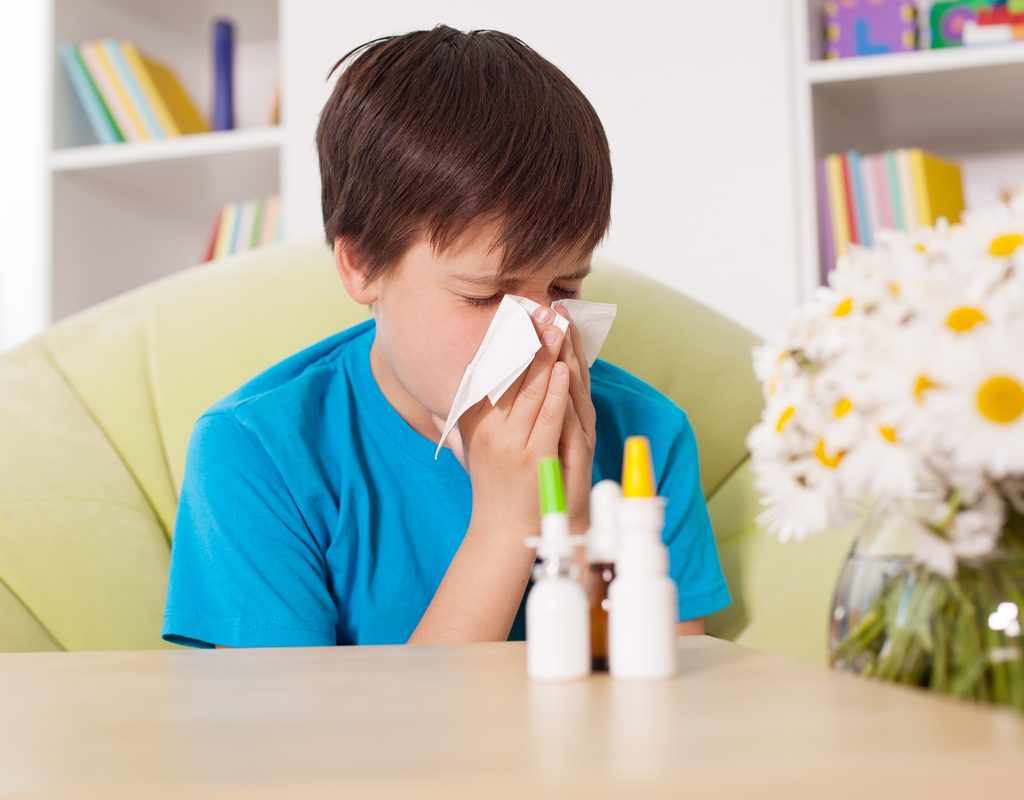
Pharmacy and supermarket aisles are filled with over-the-counter allergy medicines targeting main seasonal allergy symptoms such as sneezing, runny nose, and itchy eyes, nose, and throat. Which ones though are safe for children to use? Dr. Vincent Iannelli recommends avoiding allergy medicines for kids which cause drowsiness since they will make kids lethargic during the day. Iannelli suggests alternative over-the-counter allergy medicines instead.
- Claritin: chewables and liquid allergy medicine for children ages two and up.
- Allegra: children’s allergy liquid for ages 2 to 12. Allegra is also available in dissolve tablets for ages six and up.
- Zyrtec: children’s allergy liquid is for ages two and up and dissolve tablets for ages six and up.
- Xyzal: children’s allergy liquid is for ages two and up.
Xyzal is given at night and can cause drowsiness. Zyrtec might cause drowsiness too, but it’s also usually given in the evening. Claritan and Allegra don’t cause drowsiness and can be taken in the morning. Whatever over-the-counter medicine you decide to use, Iannelli recommends consulting with your pediatrician first. Over-the-counter nasal sprays like Rhinocort can be used to alleviate runny, itchy noses and sneezing. Before using a nasal spray for seasonal allergies though, it’s important to check with your pediatrician.
What are some home remedies that help?
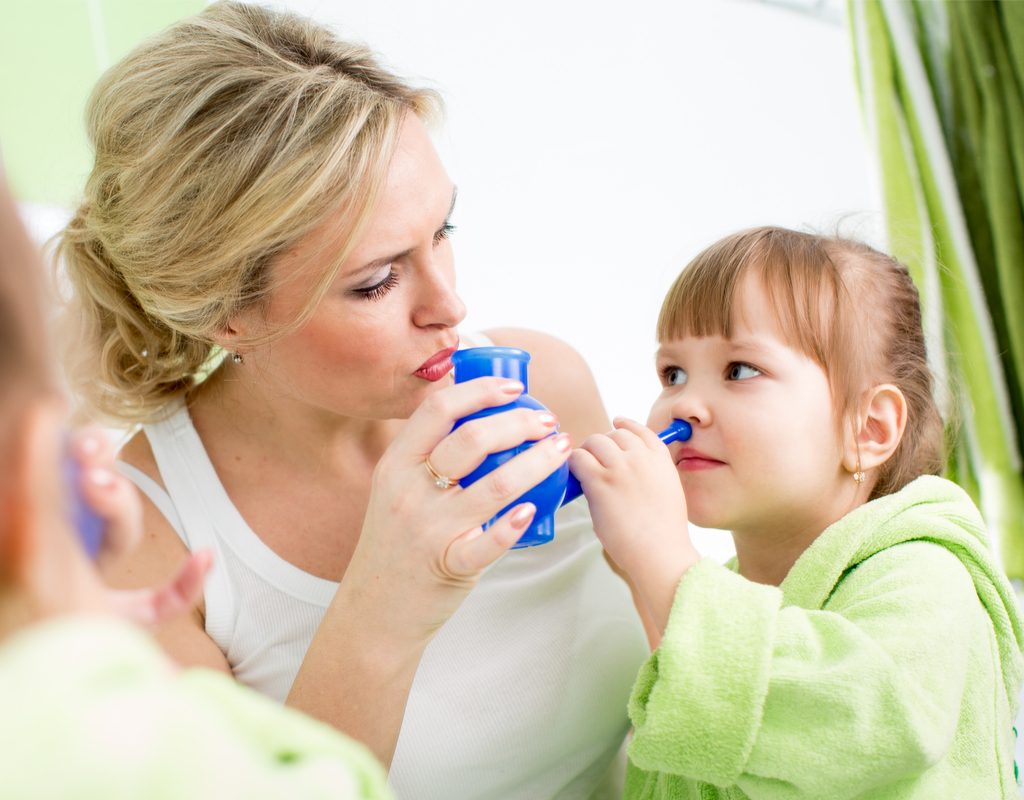
When your child suffers from seasonal allergies, avoiding triggers like outdoor pollen can seem impossible. When nice weather rolls around, children want to be outside. There are some simple home remedies that can be helpful in combating seasonal allergies and helping your child avoid pollen triggers. First off, when kids come inside have them wash their faces. Doing so wipes away pollen. Always have your child shower or take a bath before bed, making sure to wash hair. This rinses off the pollen from the day instead of continuing to be exposed to pollen cling during the night. Warm compresses on the nose and cheeks can relieve sinus discomfort. Cool compresses on the eyes can provide a break from itching. Using an over-the-counter saline solution works to irrigate the nose and get rid of pollen too. Older children can sometimes find allergy relief from using a neti pot or a sinus rinse.
The Asthma and Allergy Foundation of America also offers these tips to help children avoid seasonal allergy triggers.
- Keep home and car windows closed when pollen counts are high.
- Change clothing after coming in from outside.
- Wear sunglasses.
- Use an indoor HEPA air filter to help reduce pollen in the home, especially in the bedroom.
- Avoid drying clothing outside. Use a dryer instead.
When combating seasonal allergies, the Asthma and Allergy Foundation of America also recommends starting allergy medicines before the season kicks off. Doing so keeps the body from releasing histamine, which is what causes the itchy eyes and throat and that runny nose.
Is it allergies or a cold? The five main symptoms of seasonal allergies are itchy eyes, nose, and throat, sneezing, runny nose, coughing, and difficulty breathing. Seasonal allergies can make asthma symptoms worse. Certain over-the-counter medicines are safe to help ease allergy symptoms in children. Home remedies like a sinus rinse work too. Keeping a diary pinpoints allergy triggers and is the first step in developing a treatment plan.