Adjusting to a new baby — and your new postpartum body — can be an adventure, to say the least. While this new time in your life is filled with so much joy, it’s also a time that’s stressful, especially when some of those life and body changes aren’t as positive as you’d like them to be. You likely were excited to get back to your pre-pregnancy body, especially once you reached right around pregnancy month seven or eight, and now you can’t even recognize the woman in the mirror. So the absolute last thing you need in all this is for your hair to start falling out.
The good news? Postpartum hair loss is totally natural and not at all permanent, and you can stop those strands from falling out sooner rather than later. Here’s how to get back to your luscious, pre-pregnancy locks.
Why does postpartum hair loss happen?
According to the American Academy of Dermatology Association, hair loss all has to do with your fluctuating hormone levels. As your estrogen levels decrease because you’re no longer pregnant, your hair sheds. In fact, your hair loss isn’t even really what a dermatologist would actually consider true hair loss. You’re just “shedding” all of the extra hair that you grew while you were pregnant.
The shedding usually lasts a few months, but stops, and then your normal hair thickness and fullness comes back, typically within another few months.
But even though postpartum hair loss is temporary and nothing for major concern, it’s still not enjoyable. So what can you do?
Pick the right hair care
The American Academy of Dermatology Association says that one of the biggest things you can do to reduce hair shedding and see greater volume and thickness is to simply swap up your hair care products. You’ll want to choose a volumizing shampoo that will lift and boost your hair’s volume, without weighing it down. Avoid conditioning shampoos that can do the opposite.
If conditioning is a concern, and definitely something you need for your dry hair, though, look for conditioners specifically formulated for fine, thin hair, and focus on conditioning the ends of your strands, versus your scalp.
Try a new hairstyle
The Association also recommends considering a new hairstyle. After all, you need something that’s easy to take care of anyway, as you adjust to life with a newborn. Now’s the perfect time to switch up your style and go with something that not only makes your hair look fuller and thicker but also something that’s easy to care for.
While your stylist can make a recommendation based on your unique needs, in general, a shorter style will make your hair look fuller. Whatever style you go with, though, you’ll want to be sure to treat your hair with care and avoid any unnecessary damage that can be caused by excess heat and tight hairstyles (we get it — throwing your hair up in a bun is the easiest and quickest solution when you’re in a hurry, but think of all that hair damage).
Take care of yourself
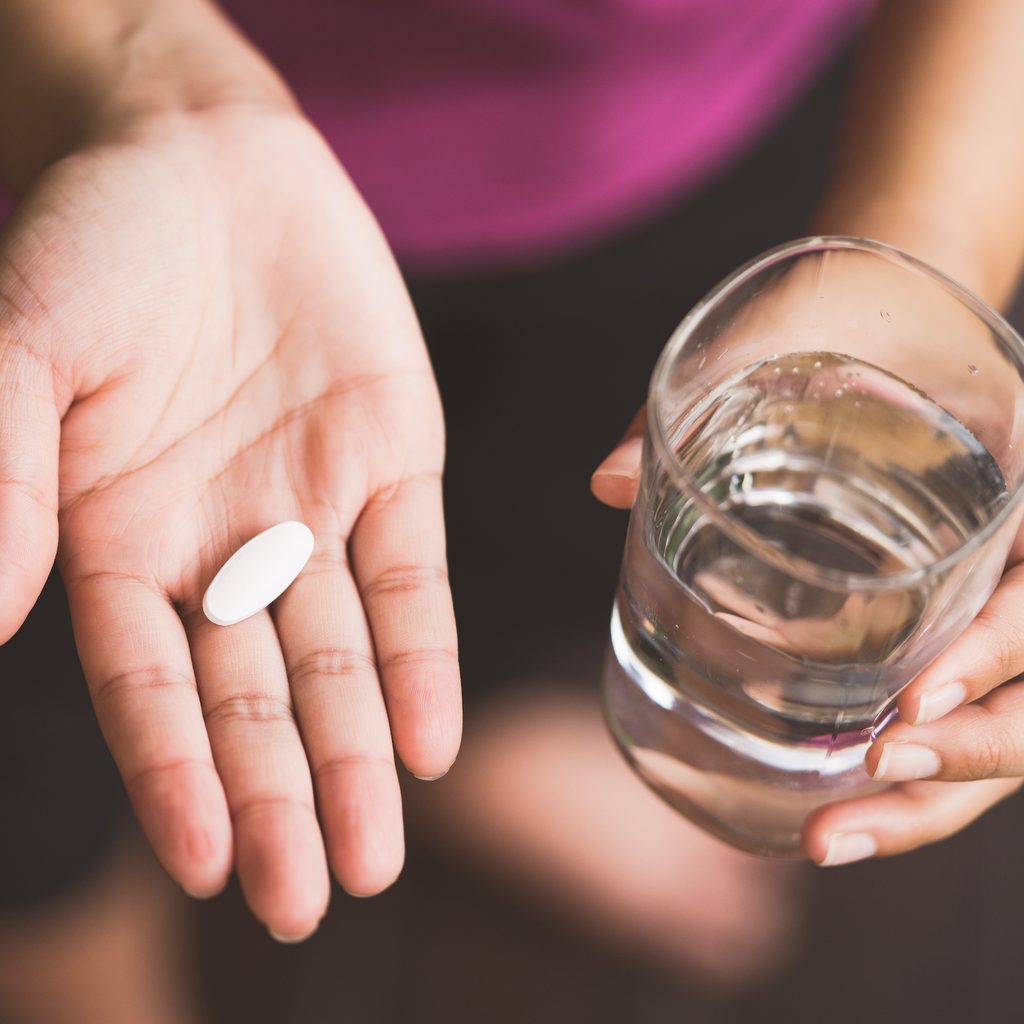
Yes, it’s easier said than done when all of your attention is focused on taking care of your baby, but taking care of yourself, too, is so vital during those first few months (and beyond). Eating a well-balanced diet and taking your vitamins and supplements will help your body get all of those oh-so-important nutrients you need to help your hormones get back on track and your hair to find its healthy balance again.
When to be concerned
But when should you be concerned about postpartum hair loss? According to Penn Medicine, if your hair isn’t back to normal within a year, you’ll want to talk to your doctor about your concerns. It may very well be the case that another underlying issue could be causing hair loss, unrelated to postpartum shedding.
The best thing to do for postpartum hair loss? Just embrace it
There’s not really anything you can do to prevent postpartum hair loss in full. There are no magic vitamins or supplements, hair care products, or procedures that will just make it go away. So, if this becomes part of your postpartum journey, the best thing you can do is to simply accept it, take care of your hair the best you can and take care of your body, too.
Need more help getting back to normal after the birth of your newborn? Check out our articles on postpartum night sweats and postpartum male depression.


