
Pelvic floor muscles – approximately 8 separate muscles in fact — are a totally combined system, built together to form a person’s pelvic floor. For women, these muscles not only support organs above and below, but they are also tested to the max during childbirth. These muscles are essential in bringing new life into the world, and vaginal births absolutely require them to do so. But so often, these areas suffer damage during the process of birth. They are stretched and relaxed for sometimes days while a mother is laboring and pushed beyond the brink during delivery.
It’s because of this damage that women and moms-to-be often look to Kegel exercises to help strengthen their pelvic floor and prevent unnecessary abuse to this intricate and indispensable group of muscles. If you’ve recently entered your postpartum journey and your OBGYN has cleared you for light exercises once again, now could be the right time to start practicing those postpartum Kegels in order to help support your recently tested pelvic floor, all the while preventing after-birth complications.
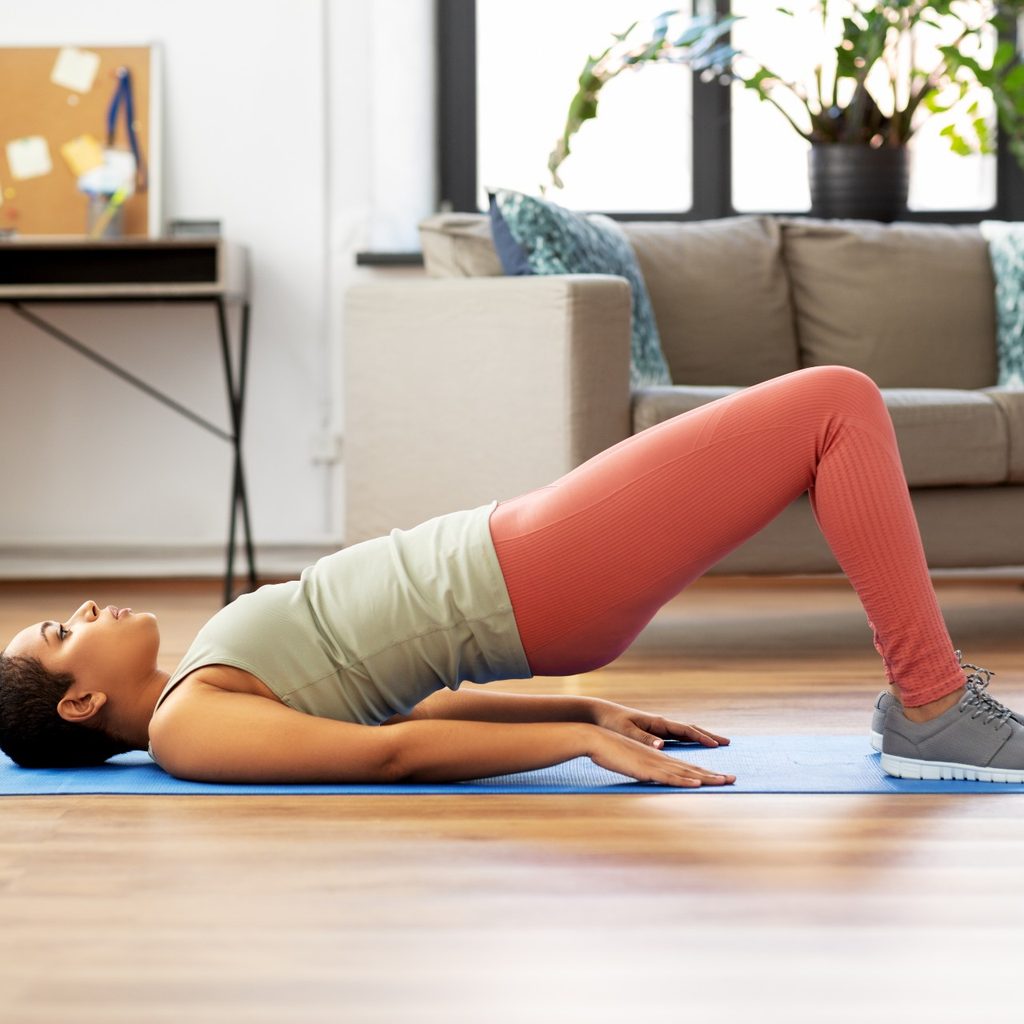
What are Kegel exercises?
The pelvic floor and its hammock-like band of muscles run the length of the public bone, supporting the bladder, uterus, and bowel in very close proximity to the spine. When a mother delivers a child vaginally, these muscles are stretched and relaxed over and over, allowing their bodies to push their babies downward and through the birth canal. When this happens, the muscles become more and more lax, more often than not causing bladder leakage or incontinence. During a Cesarean section — a major surgical procedure – doctors cut through, or damage some of these muscles, requiring strengthening exercises even more. Because of these issues, many mothers choose to strengthen — or rebuild – those muscles to counteract any damage done to provide more support to their internal organs. The stronger the pelvic floor, the better and faster moms can recover from, and move through postpartum healing, and get back on their feet quicker.
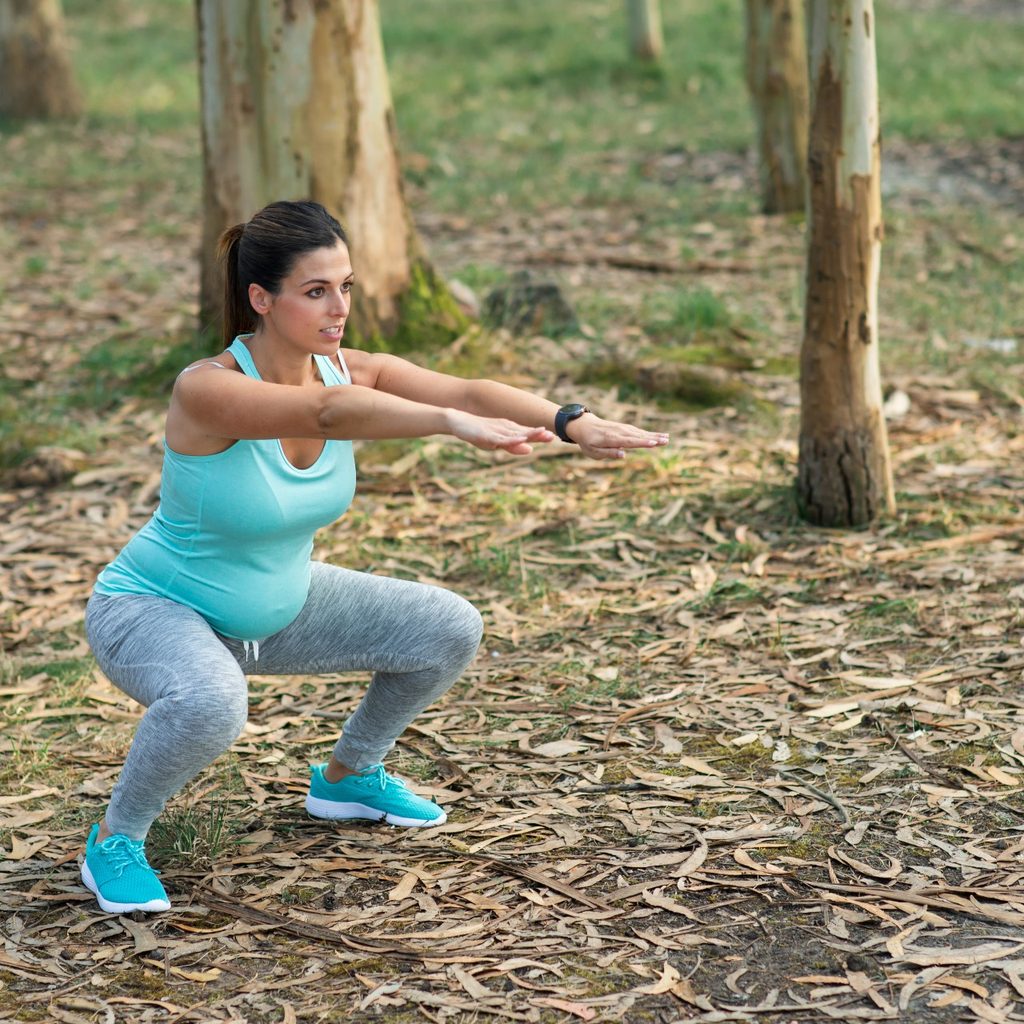
How to perform a Kegel
In terms of exercise and strengthening the core and pelvic floor muscles, it’s best to start at the beginning. In order to engage a mom’s core, and strengthen their pelvic floor muscles, begin by performing a basic Kegel stretch:
- Step One: Take a few deep breaths to calm and center yourself.
- Step Two: Begin taking a deep breath, and at the same time, pull in and tighten your vaginal and rear muscles and squeeze slightly.
- Step Three: Hold that breath and cinched in muscles for 5-10 seconds and gently release while slowly exhaling the breath for 5-10 seconds. This is referred to as a rep.
- Step Four: Repeat a rep of 8-10 stretches up to 3 times per day.
- Pro Tip: Focus on only tightening your inner muscles, keeping your buttocks and hips relaxed.

Why Kegels are important
Your pelvic floor muscles won’t repair or strengthen themselves after birth. In fact, the damage from childbirth, coupled with the lack of any kind of strengthening exercises after the fact can create even more trouble for new moms, exacerbating the issue even further. Your core muscles are responsible for supporting the bladder, bowel, and uterus. A full bladder with less than adequate support can create a recipe for disaster, often causing embarrassment and sometimes a mess as well. Save face and yourself by practicing those Kegels as often as you can. Not sure how to get started, or maybe looking to mix up your regular routine? Consider adding these twists to your next post-baby strengthening workout plan:
- Practice Kegels on an exercise ball
- Include them in your meditation, Pilates, or yoga routine
- Consider purchasing a pelvic floor trainer
Don’t feel silly or ridiculous by implementing and performing these exercises. Most mothers are recommended to perform them in order to recover correctly from labor and delivery. You’re not alone! Be open and honest with your partner or support system, and talk with them about your postpartum journey and your desire to bounce back from your delivery. They are intricate parts of your life, and often help support and encourage you, making sticking to your newly planned exercise routine that much easier to stick to.