If you’re currently around 13 weeks pregnant, you are officially entering your second trimester, which means congratulations are in order! The second trimester is often a reprieve for many pregnant women from the intense morning sickness and pure exhaustion of the first trimester. Many pregnant women find a boost of energy and begin to feel normal again during the second trimester.
Unfortunately, feeling normal may be short-lived! The second trimester, weeks 13 to 26, is also the beginning of noticeable physical and emotional changes in your body. Throughout months 4 through 6, your belly and breasts will begin to grow. You may also start to experience second-trimester problems. With all these changes in your body and your emotions, figuring out what is normal and what is concerning can be challenging. You may find yourself looking for information about what can go wrong in the second trimester.
Although learning about complications can be frightening, understanding what could go wrong at this point in your pregnancy can help you prepare and know what to expect. Knowing about second trimester problems and what symptoms to look for can help you receive timely medical care. Learn more about what to look for in your second trimester and when you should contact your doctor.
Miscarriage
Although the chance of miscarrying decreases in the second trimester, losing a pregnancy is always a possibility. The earliest sign of miscarriage is usually vaginal bleeding. Miscarriage in the second trimester can happen for different reasons, including:
- Cervical incompetency: a cervix opening too early that can cause an early or premature birth
- Autoimmune disease: having an autoimmune disease can sometimes cause your immune system to attack your healthy cells, including your developing baby
- Uterine septum: when a wall, referred to as a septum, develops in your uterus and separates it into two parts
- Chromosomal abnormalities: abnormalities in your baby’s chromosomes can develop, which can cause a miscarriage
If you experience any vaginal bleeding or severe cramping, contact your doctor immediately.
Preterm labor
Full-term is a pregnancy that lasts 38 or more weeks. Any labor that begins before 38 weeks is considered preterm. The symptoms of preterm labor may include:
- Contractions that intensify and increase over time
- Vaginal pressure
- Leakage
- Low back pain
In some cases, doctors may be able to stop preterm labor, so seeking medical attention if you think you are experiencing preterm labor is crucial.
Preeclampsia
The cause of preeclampsia is unknown, but pregnant women are susceptible to developing preeclampsia, often after Week 20. Symptoms include:
- Protein in the urine
- High blood pressure
- Increased swelling
- Frequent intense headaches
- Sudden weight gain
- Discomfort or pain in the upper right abdomen
- Vision changes
Doctors may be able to help manage some symptoms of preeclampsia. For example, they may prescribe medication to manage high blood pressure. However, the only cure for preeclampsia is to deliver the baby.
If a woman with preeclampsia has reached Week 37 of pregnancy, doctors are likely to induce labor. For women who are still in their second trimester, your medical provider may continue to monitor both you and your baby’s health to avoid inducing labor too early.
Preterm premature rupture of membranes (PPROM)

PPROM is when the amniotic sac your baby develops in breaks before Week 37. A ruptured sac can increase the risk of infection. If you experience a sudden gush of fluid, contact your provider. A healthcare provider can run tests to diagnose PPROM.
Cervical incompetency

Cervical incompetency, also referred to as cervical insufficiency, is relatively uncommon but can cause severe complications. As your uterus grows, it places pressure on your cervix, the tissue that connects the uterus to the vagina. If your cervix is unable to bear the weight, your cervix may begin to open early.
This process can cause your membranes to rupture and jumpstart a premature delivery. Depending on your baby’s gestation, the outcome varies.
When to call a doctor
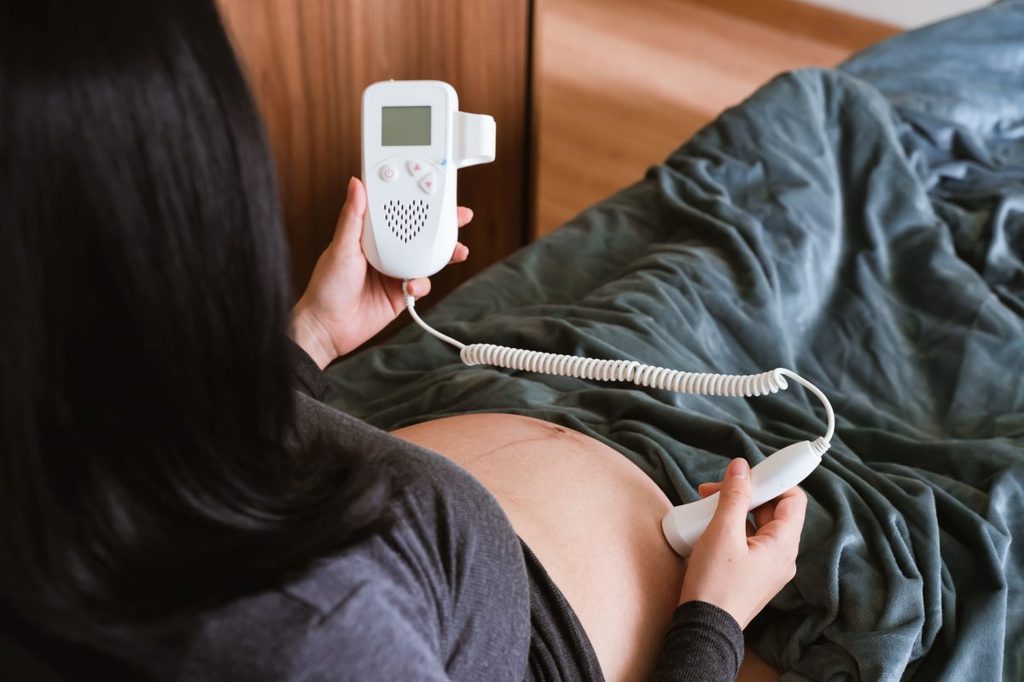
You should always contact your doctor or health provider anytime you have questions or concerns. At the very least, you can get peace of mind and calm any worries. Knowing what can go wrong in the second trimester can help you notice any signs.
Call your doctor if you experience any:
- Vaginal bleeding
- Gush of vaginal fluids
- Contractions or intense pain in the abdomen
At any time during your pregnancy, if you notice any sudden physical changes, you should always contact your health team to determine whether you need to be seen.
More common issues

There are a few more common issues that you may be experiencing at this point in your pregnancy. You may experience some changes in your skin, including dryness, itchiness, and discoloration as your body produces more melanin during pregnancy.
It’s also not uncommon to experience some dizziness, as your body’s circulation is changing. It’s important to stay hydrated and sit down if you experience lightheadedness. Pain and cramping are also common, and can be scary. Your body is changing to accommodate your growing baby and this can often cause cramping and pain. It’s also common to experience constipation and congestion at this time.
The second trimester can be scary. Your body is going through so many physical changes and trying to figure out what is normal and what is concerning can be nerve-racking. Understanding the changes your body will experience in the second trimester can help ease that anxiety.


