
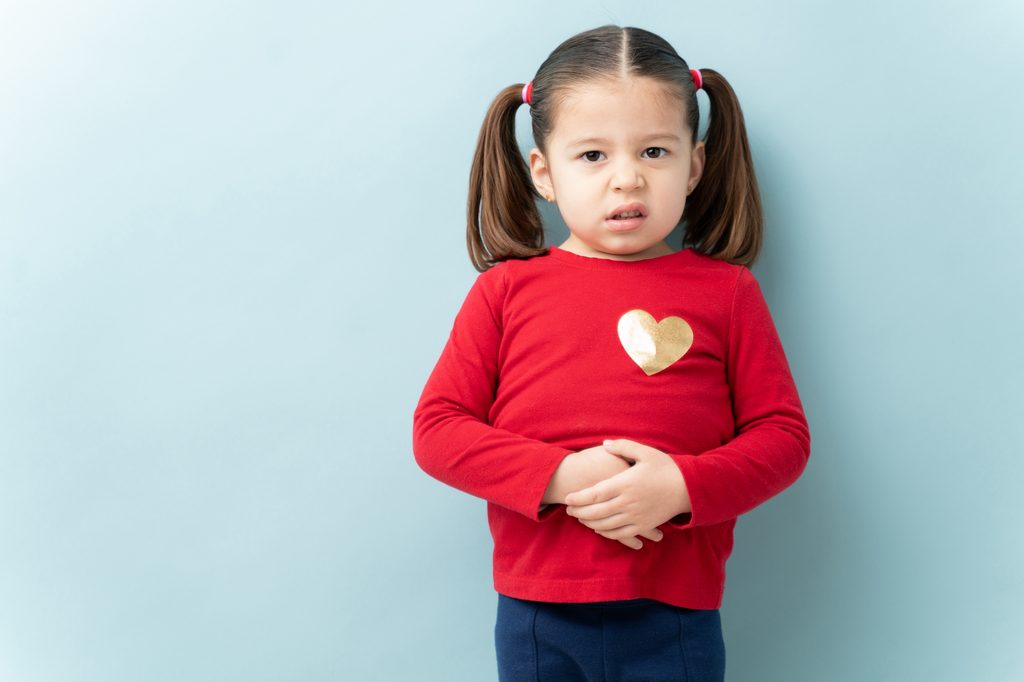
No one likes feeling constipated, and that includes toddlers. Fortunately, there are ways to relieve constipation in your toddler safely. It can be easy for toddlers to suffer from constipation and if parents don’t help them alleviate the discomfort, it can lead to a very cranky little one. It requires patience, but how to help toddlers with constipation can be far less intense than it seems.
Constipation can be caused by not drinking enough water, not eating enough fiber, getting sick, taking certain medicines, stress, or deliberately holding in stool during potty training because it hurts. It could also happen if they are scared of the potty, they don’t want to stop playing to go, or it might be a control issue. Thankfully, several simple solutions ensure this issue doesn’t drag on or get worse.
Here are five tips for how to relieve constipation in toddlers.

Eat a normal amount of fiber
Don’t overdo it just because your child is constipated. The American Academy of Pediatrics recommends a normal amount of fiber for a constipated child. Just what is a normal amount? They recommend two easy-to-use strategies.
- Eat 5. If your child is eating five servings of fruits and vegetables a day (or more) along with other foods with fiber in them, there is no need to count grams of fiber.
- Add 5. If you do want to track fiber grams, add five grams to your child’s age. For example, a 3-year-old would need to eat about eight grams of fiber per day.
Some examples of fiber values in foods are:
- Medium apple with skin = 3.5 grams
- Pear with skin = 4.6 grams
- 1 stalk of broccoli = 5 grams
- 1 cup of carrots = 4.6 grams
- 1 cup of whole wheat cereal flakes = 3 grams
- 1 cup of raspberries = 5.1 grams
In general, eat fruits and veggies and avoid high-fat overly processed foods. It’s the same general diet guidance as for anything else. While toddlers need healthy fats to grow, if they are dealing with constipation, they can temporarily cut back on higher-fat foods.
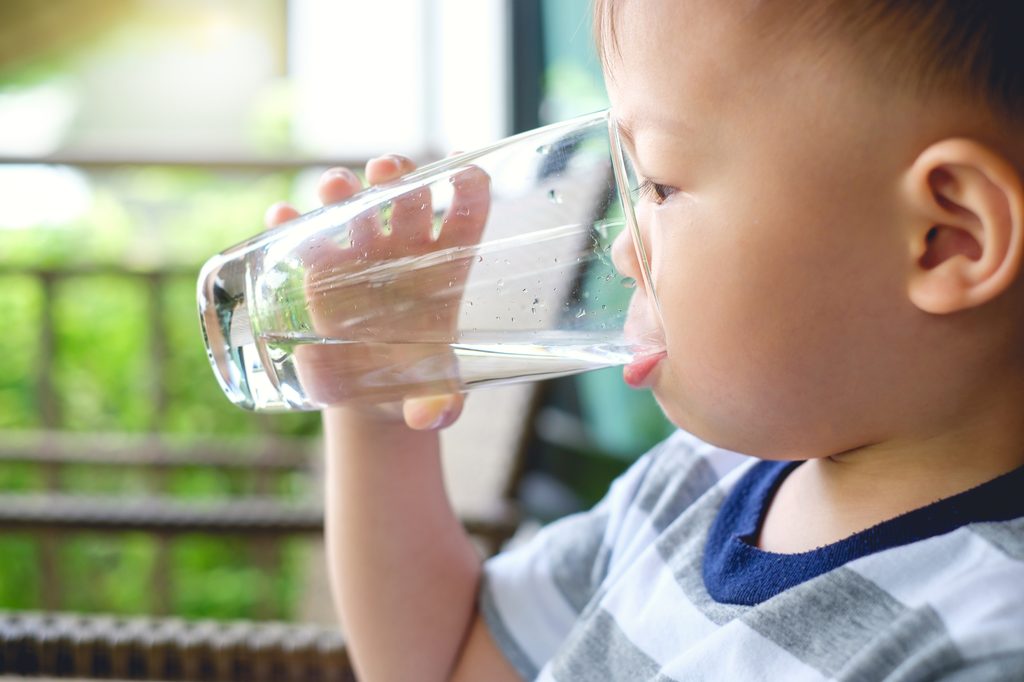
Stay hydrated
Have your toddler drink lots of non-dairy fluids to help with constipation. Water is best, but if they won’t drink enough, you can try a drink like Pedialyte for hydration, too. Certain fruit juices like white grape or prune also work, but they are high in sugar, so you don’t want to overdo it. Just don’t add in soda or extra milk. Dairy can lead to constipation and milk should be limited only to the ounces required for daily nutrition. This means less cheese and other dairy foods for now, as well.
A homemade smoothie with lots of water and ice incorporated is a good option. Fruits that contain sorbitol like mango, pear, and prune help with constipation.
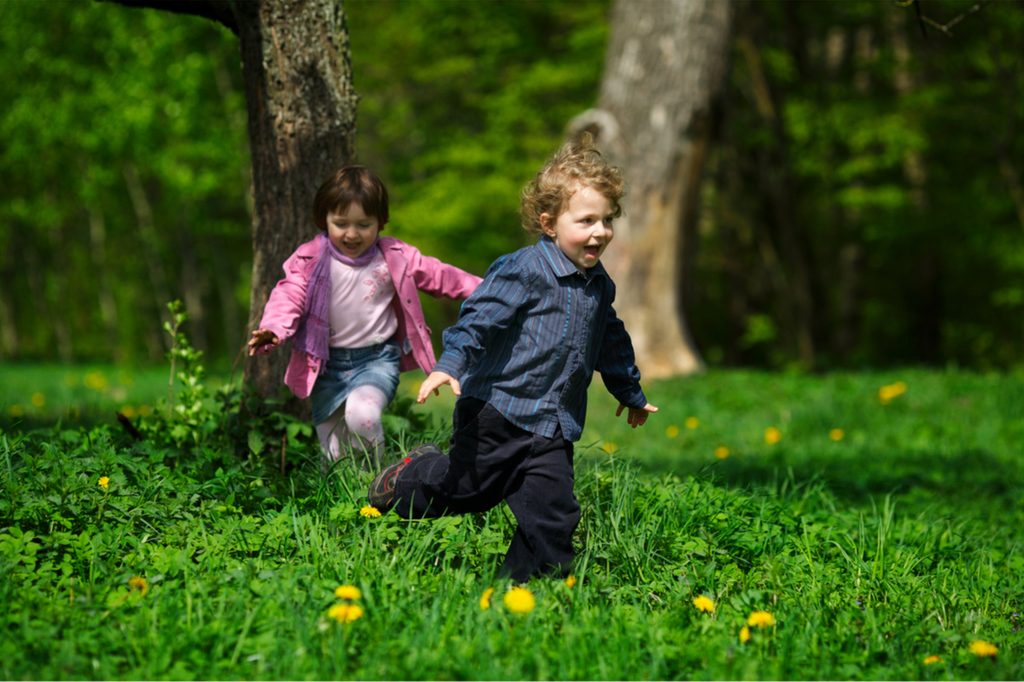
Get moving
Movement and exercise help get digestion moving. Make sure they’re getting their legs moving with play for at least half an hour every day. This is a great time to get outside for a family walk without a stroller. You could also try abdominal massage like you did for them when they were an infant.
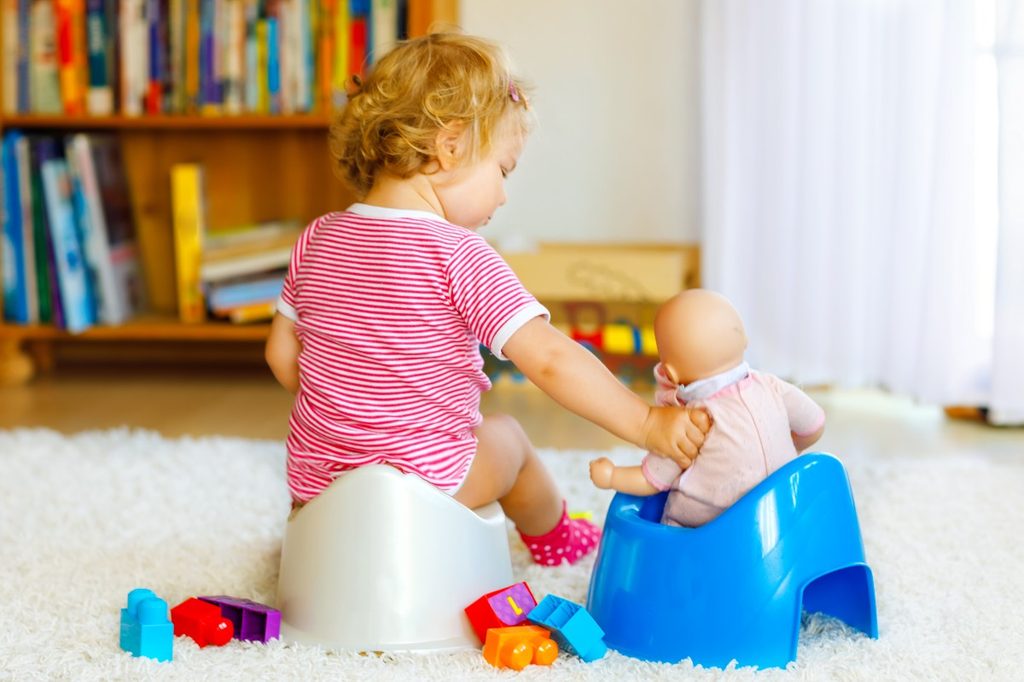
Actually, get sitting
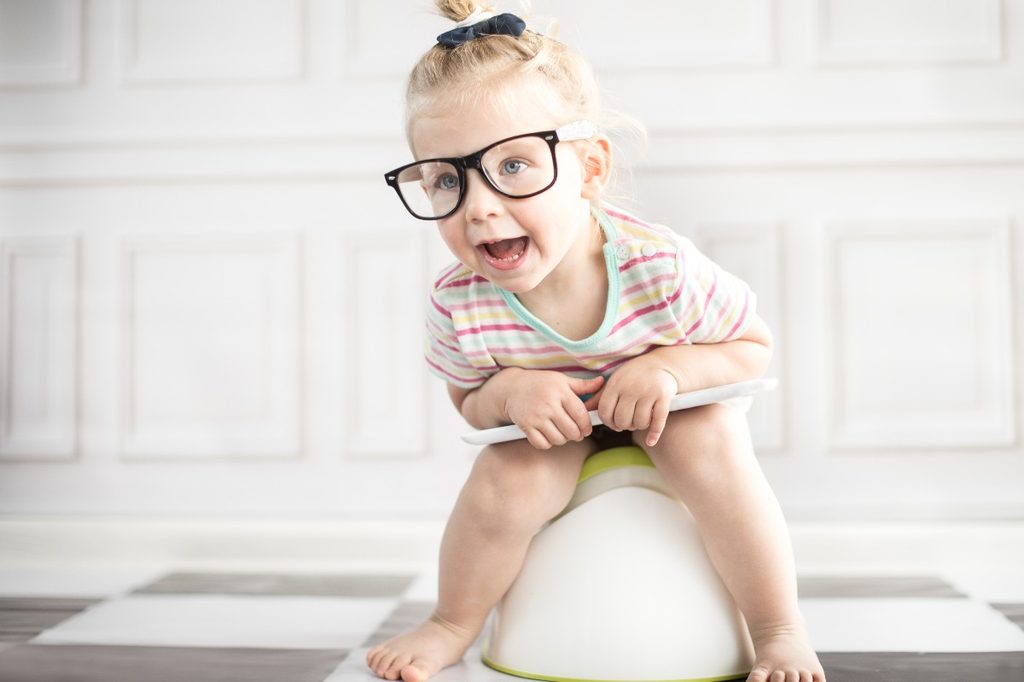
In addition to exercise, give them time to sit on the potty every day. If they’re not potty training yet, don’t worry about this one, but if they are, give them plenty of uninterrupted, calm potty-sitting time. Read them a book while they sit so they don’t get bored if needed. It’s OK to let this time drag on even if it doesn’t seem like they’re going to go. This will help them open up mentally and physically.

Call the pediatrician
Some simple over-the-counter remedies can help you out with constipation quickly while you build up habits like diet and liquids that are more long term. However, don’t give your child medication or enema without consulting with their doctor first. They can advise you on how often to give a medicine if any needs to be avoided, and if anything needs to be tried first or considered.
They might advise probiotics if your child has been on antibiotics, or a suppository to help move things along. There are oral stool relaxers and rectal enemas (the joy of parenthood!) you can give to relieve a blockage, but they are not long-term solutions unless you are in consultation with your pediatrician and that’s what they advise.
What is considered normal?
It can be difficult to know if your toddler is constipated since all kids are different. Some kids will naturally poop more often than others. According to the AAP, the ‘softness’ of your child’s poop can tell you a lot about how they’re feeling. They have a handy guide online to help parents know what to look for that can help you determine if they’re suffering from constipation since their stool will typically be harder and dryer than others. This can not only cause discomfort but pain when your child does go. Signs that your toddler’s constipation is getting worse can include;
- Intense abdominal pain (stomach aches) or bloating
- Decreased appetite
- Nausea or reflux
- Diarrhea from bowel overflow
These symptoms may present themselves after an extended period of constipation.
If you’ve tried all of this and the issue is chronic, continue to consult with the doctor about how to proceed. You may need to adjust their diet further, non-dairy milk, or you may need a long-term medication solution for how to help your toddler with constipation.


