Do you start off the day with a cup of coffee? Do you have a favorite radio station on for the drive to work? This is the same as kids not being able to fall asleep without a bedtime story. Most people and children have some type of routine to get their day going. Routines are actually an essential part of everyone’s day. Did you ever notice that when something messes with those routines, it’s easy to feel out of sorts and anxious?
According to Ramon Solhkhah, M.D. with the Department of Psychiatry at Jersey Shore University Medical Center in New Jersey, routines “are an important component of good mental health.” Routines create a structure for the day. As adults, we prioritize our routines to ensure all the necessities get done.
Sticking to a routine like going to the gym provides a sense of accomplishment. It turns out routines are just as important for children as they are for adults. Establishing routines for kids when they’re young and continuing them throughout the years is a vital component of their development.
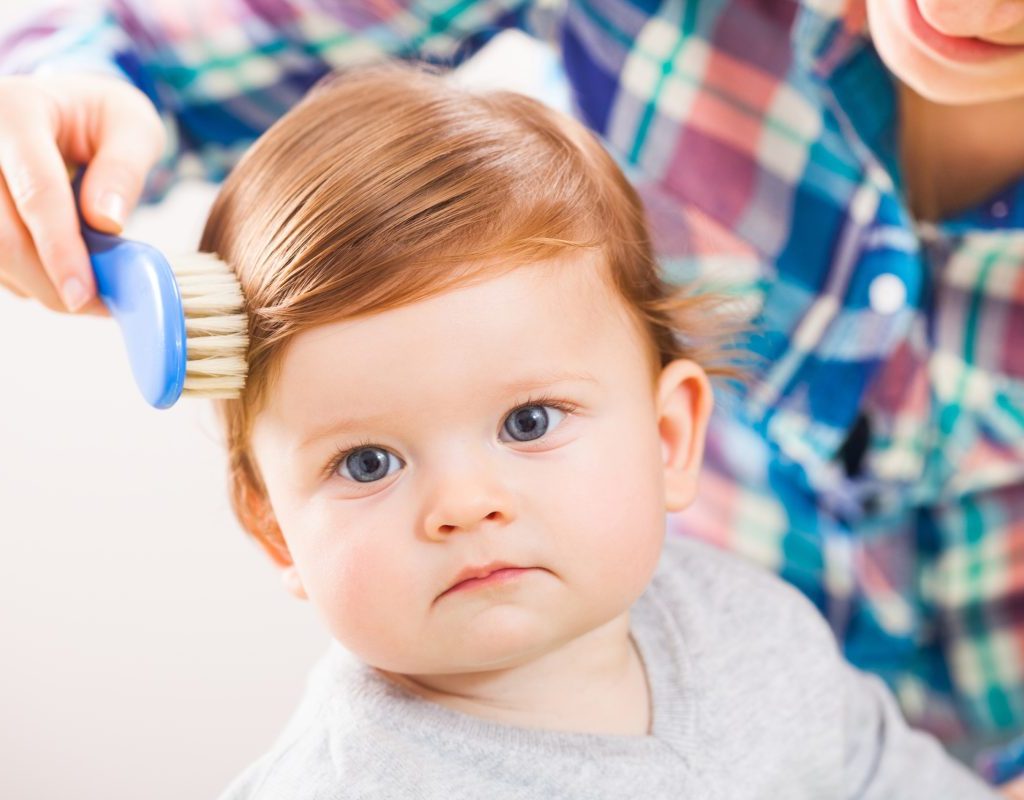
Why routines for kids are important
Have you ever noticed that when the day isn’t running as usual, the kids tend to act up? The reason is that routines are a crucial part of a child’s day. According to the American Academy of Pediatrics, kids function better with a regular household routine that provides consistency. Daily routines create stability and structure while working toward making kids feel safe. Routines also reduce anxiety in kids and adults while teaching children important life skills to help set them on a path to a healthy lifestyle.
What routines teach children
Healthy habits
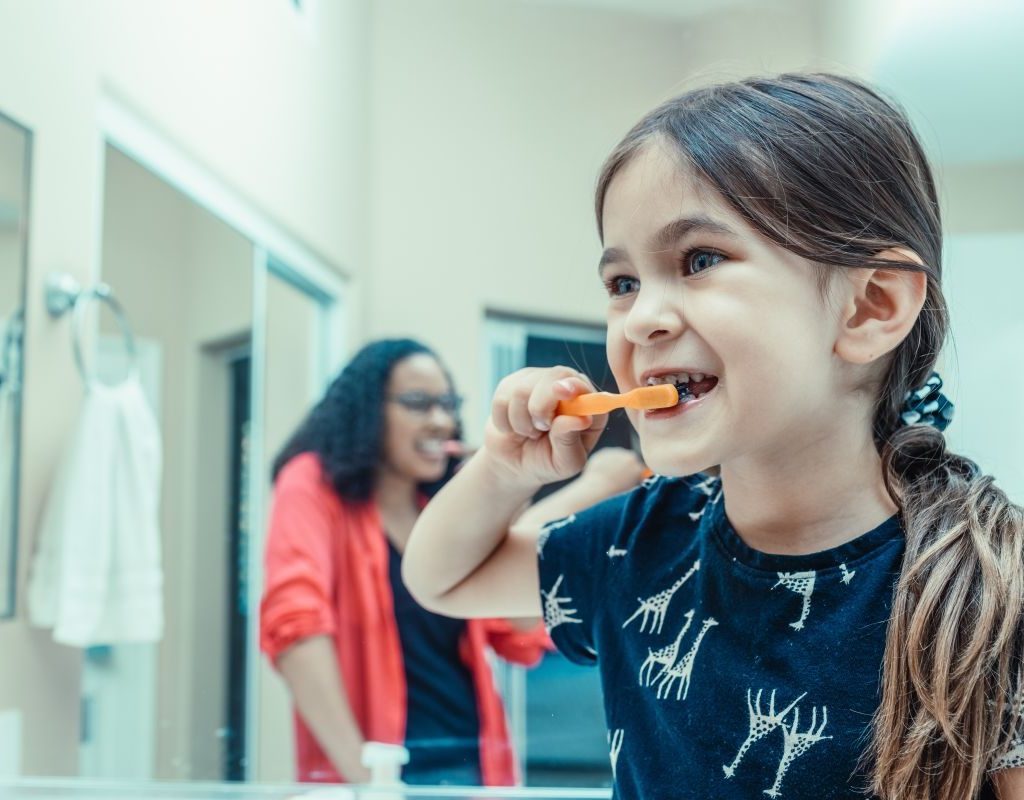
Most people have a routine that helps get them out of the house in the morning to work and to power down at night to go to sleep. Part of those morning and bedtime routines include healthy habits like brushing teeth, showering, washing hands, and brushing hair. By instilling routines in kids, parents are teaching them important healthy habits as well. Brushing teeth after breakfast and before bed is a routine to help take care of teeth and gums. Parents who incorporate a regular time to exercise every day are putting kids on the road to making healthy lifestyle choices later in life.
Responsibility
A part of everyone’s daily routine is typically chores. Doing laundry, making the bed, walking the dog and preparing lunches for school are all examples of chores parents do every day. Chores are usually a part of the day for children and teens, too. Having chores to complete teaches children vital life skills like making a bed, but also instills in them a sense of responsibility and accomplishment.
Completing homework feels like a chore to most kids and teens, but setting aside a regular time for kids to get their homework done is critical. Kids may not appreciate it, but concrete homework time provides the stability they need to concentrate on assignments and study productively. A structured homework time often translates into better grades because kids aren’t rushing to complete an assignment at the last minute or preparing for a test on the fly.
Time management
As kids get older, their days become busier with school, sports, and other activities. Having a daily routine provides structure and also teaches children and teens time management. Time management skills are essential, especially as kids climb the educational ladder. Teens with good time management skills typically do better in and out of the classroom and can adapt to the challenges of college easier, especially when far away from home.
Body clock
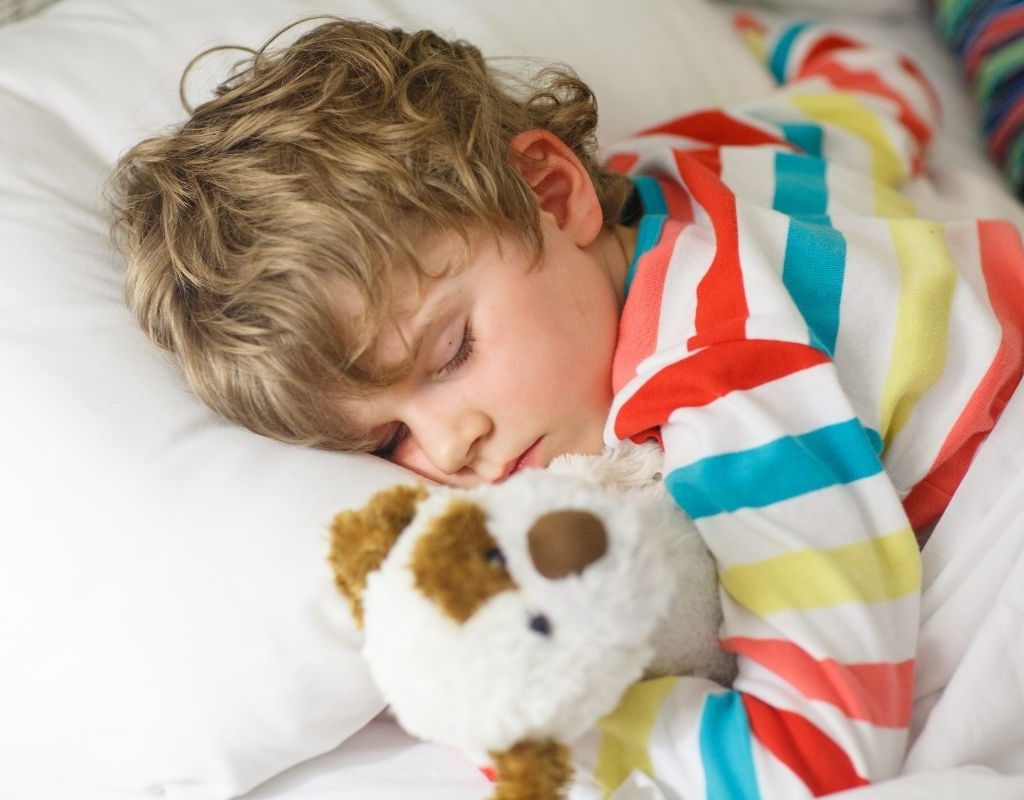
Ever notice how you automatically wake up at the same time every day, even on the weekend? That’s because having a regular wake-up and bedtime is a routine. Regular sleep and wake times set the body’s internal clock. A regular bedtime is especially important for children and having a structured routine is a big part of helping kids fall asleep.
According to the Sleep Foundation, a regular bedtime routine leads to quality sleep, which translates to better cognitive skills. Kids without a regular bedtime routine are more likely to have sleep issues and weight problems as tweens and teens.
Final thoughts on routines
People really are creatures of habit and having a regular routine provides structure and stability. The same is true for kids. Having routines for children teaches them lifestyle skills, healthy habits, time management, and more while making them feel safe and reducing anxiety. The trick, according to the American Academy of Pediatrics, is to balance the all-important routines with some flexibility and choice. Life happens, and it’s OK if the daily routines get thrown off from time to time. Being too rigid with routines or having none at all is problematic.


