It can be hard for parents when their child is sick and most will agree that there's nothing worse than listening to a toddler coughing in their sleep. No one in the house gets a good night's sleep if a toddler is coughing, which can make for very drowsy, and cranky mornings.
Toddlers may cough in their sleep for a variety of reasons, including dry air, a need to clear their throat, allergies, or because of a cold or flu, but it’s always a good idea to contact the pediatrician whenever you’re concerned about your toddler’s persistent cough. Night coughing can also be a red flag for a medical condition like asthma.
There are several home remedies you can try to soothe a toddler coughing during sleep as long as their cough isn't severe. We’ve got your home remedy guide to help you and your toddler get some sleep along with those important red flags to be on the lookout for to know when you should make that emergency call to the doctor in the middle of the night.

Causes of toddlers coughing in their sleep
There are many reasons why your toddler could be coughing in their sleep. The first that may come to mind is a cold or another virus or illness like the flu, croup, or COVID-19. If this is the case, the cough will often pass in a few days, but it could take weeks too. Another possible cause of a night cough could be a chronic condition such as asthma, allergies, or air pollution. According to an article in the medical journal Pediatrics in Review, 5% to 10% of children with a persistent cough have a chronic medical condition, such as asthma.
Figuring out the cause of the cough can help to determine the treatment. For example, sleeping propped up on a pillow instead of lying down flat can help if the issue is a post-nasal drip from a cold, but won’t make a difference for another cause like an allergy to the cat. A cough from congestion can get worse at night because of the mucus dripping down, so it makes sense that you could be dealing with a night cough during a cold.

When to see your doctor
Use the home remedies described below if your toddler has a nighttime cough without any other symptoms, but contact a medical professional right away if your child:
- Is struggling to breathe
- Has bluish lips or face
- Is wheezing
- Is making harsh sounds with breathing
- Is breathing much faster than normal
- Can’t take a deep breath
- Has chest pain
- Has coughed up blood
- Is high-risk or immunocompromised
- Has a fever over 104 degrees Fahrenheit
- Has a fever that lasts more than three days
- Has a cough that lasts more than three weeks
- Has a cough that causes vomiting more than three times
If you’re not sure which of the conditions mentioned above warrant an emergency call to 911 or can wait until morning, the Seattle Children’s Hospital offers more details. Any chronic cough should be evaluated by a doctor. There are several conditions a doctor will take a closer look at for a child struggling with a chronic cough. For example, 25% of children with asthma only ever have cough as a symptom and the coughing spells can be the same as asthma attacks that present as wheezing and warrant an emergency room visit.
If asthma is at the root of your toddler’s night cough, you will want to discover and eliminate any asthma trigger or allergy trigger in your child’s bedroom as soon as possible. Allergens like pollen, dust, and pet dander are typically asthma triggers for kids.

What to listen for in your toddler's cough
It can be nerve wracking to hear your toddler coughing in their sleep, but the fact is that coughing is actually pretty normal for toddlers. Coughing helps expel any irritants that may be bothering your child. That being said, there are a few different kinds of coughs to listen for that can help give you clues as to what the cause may be and what you should do about it.
According to iCare ER and Urgent Care, there are a few kinds of coughs your child may have, including a barking cough, dry cough, wheezing cough, phlegmy cough, whooping cough, or nighttime cough.
A barking cough, often a sign of a viral infection like croup, tends to get worse in the night and can sound like a bark, rasp, or hoarse cough. If your child has a dry, if may be caused by a cold or the flu and rarely produces any fluid or mucus. A common cold is often the culprit when it comes to a phlegmy cough, while a wheezing cough is often caused by asthma or bronchiolitis. As iCare notes, it can also be caused by something blocking the child's airway, so it's always important to seek professional medical advice if a child is wheezing and if any of their coughing is concerning.
How to stop coughing at night
Cough medicines aren’t recommended for toddlers, at least not without consulting your pediatrician first for dosing and advice. However, if your toddler has a cough without any of the above symptoms, here are six home remedies that you can use for toddler night coughing instead of cough syrups.
Step 1: Give them a warm bath or shower before bed. The warm steam and humidity can be soothing and break up congestion before bedtime. Keep the door closed and the fan off and don’t make the water temperature too hot or leave your toddler unattended in the bath or shower. Keep your toddler hydrated and let him or her spit out any mucus from productive coughs while in the steamy bathroom.
Step 2: Using a cool-mist humidifier in your child’s bedroom overnight may also help alleviate overnight cough. Adding moisture into dry air makes the air easier to breathe. A cool-mist humidifier is recommended over a warm-mist humidifier or a steam vaporizer.
Step 3: According to the American Academy of Pediatrics (AAP), there are appropriate uses of home remedies like honey. The AAP states kids one year of age and older can use two to five milliliters of honey as needed to soothe a cough.
Step 4: The AAP also suggests that parents can put “a thick layer of a mentholated rub on the skin over the chest and neck (over the throat).” Parents should be careful to store the rub out of the reach of kids just like any other medicine.
Step 5: Staying hydrated is always important, especially when kids are sick, and is actually more vital when children are congested. The mucus becomes thinner when there is enough water in the body, making it easier to cough. Serve cool water to toddlers to help soothe the throat and alleviate the cough.
Step 6: Put an extra pillow or two under your toddler’s head. Doing so can help the mucus naturally drain out of the sinus cavity while your toddler sleeps. Post nasal drip gets worse at night and the irritation from the mucus could be causing the overnight cough. Sleeping on an incline will definitely provide some relief.
The best remedy for a toddler coughing in their sleep
When it comes to a toddler coughing in their sleep, determining the cause of the overnight cough will help you choose the best remedy. It’s important to find the cause of a persistent night cough because there are different treatments for a toddler coughing in their sleep that's caused by a cold than one triggered by asthma.

Treatment isn't always necessary
It can be frustrating and scary listening to your toddler cough in their sleep, but treatment is only needed if the symptoms are bothering your child. If your little one's sleep or daily activities don't seem to be disrupted by their cough or cold, they may not need any medicine or homemade remedies. The Seattle Children's Hospital notes that you only need to treat these symptoms if they are causing your child discomfort or waking them up.
Symptoms of sleep apnea
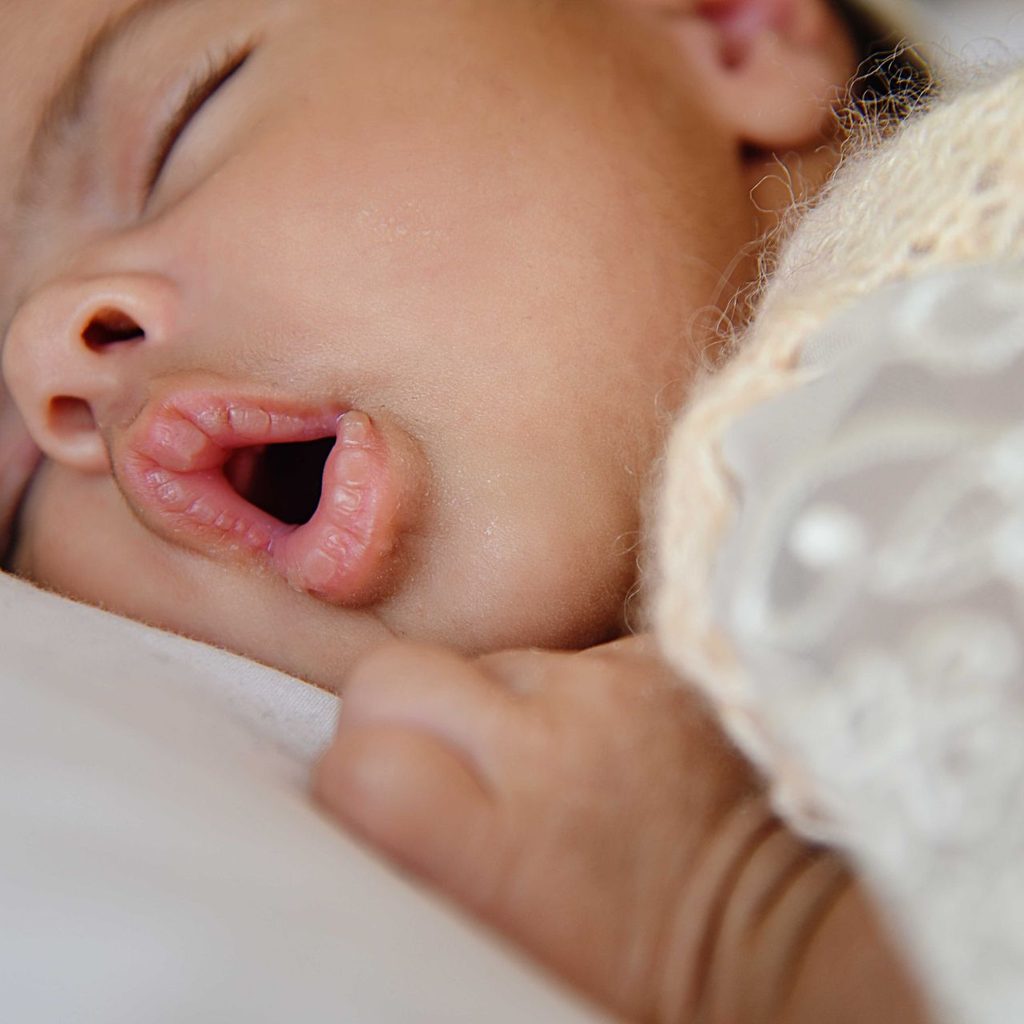
Coughing be a symptom of sleep apnea in children. Experts suggest sleep apnea affects between 2% and 3% of children, most commonly between the ages of 3 and 6. Although your child will have a restless sleep, most kids have no memory of waking up throughout the night. The most obvious symptoms of sleep apnea include frequent loud snoring, and choking, coughing, snorting or gasping for breath while sleeping. Coughing while sleeping doesn't necessarily mean your child has sleep apnea, but if they are exhibiting any other symptoms and are increasingly tired during the day, are struggling with their concentration, are irritable or suffering from mood swings, they may be suffering from sleep apnea.
While you wait to see the patterns and duration of the cough, the home remedies above can alleviate the discomfort your toddler feels. Be watchful of coughs with any red flags like high fevers or wheezing. Some nighttime coughs can wait until morning, but others require an emergency call.
Once you have a diagnosis and are trying to help your toddler to sleep better, remember to try and keep the throat coated, the air moist, and the body hydrated. All can help ease the cough so you and your toddler get a restful night’s sleep.