
Vaping is now being considered one of the greatest health risks to America’s youth and this concern is continuing to grow every day. Based on a poll taken in 2018, 37.3% of high school seniors reported they had vaped sometime in the past 12 months. This is startling considering that only 27.8% had admitted to vaping a year prior in 2017. Just based on these statistics alone, it is easy to see that vaping is still on the rise for America’s children and we need to take a look at the consequences and benefits of this occurrence.

What is vaping?
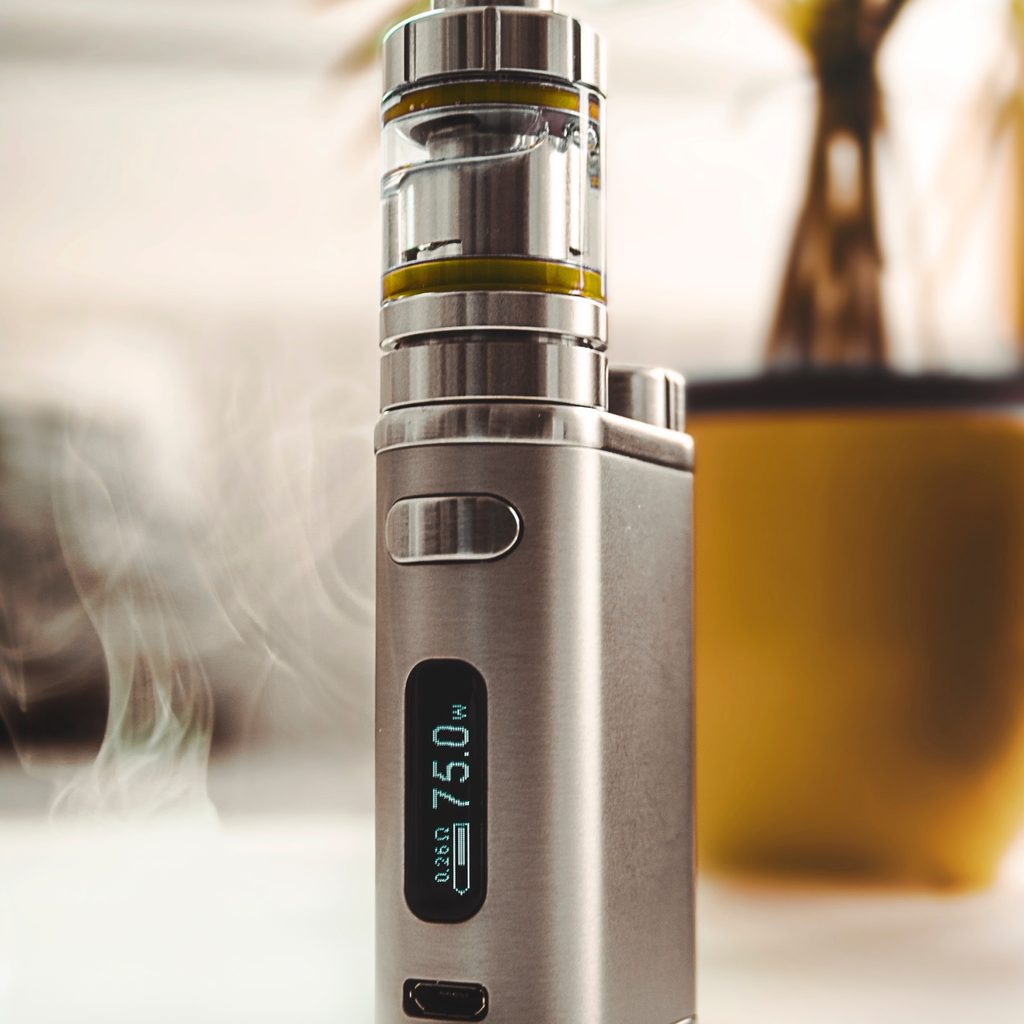
The first thing that we should talk about is what vaping actually involves. Vaping is the act of inhaling and exhaling the vapor produced by the heating of nicotine liquid. The most common street term for nicotine liquid is “juice.” In order to produce vapor with nicotine liquid, a vaping device such as a vape pen or electronic cigarette must be used. The most common vaping devices among America’s youth are JUULs, NJOYs, SMOK Nords, and Novos.
Even though vaping companies like JUUL and SMOK forcefully deny that they are marketing to young people, many critics disagree because of the way the devices are marketed and branded. Many vaping devices offer fruity flavors and sleek designs that are appealing to young teens. This has allowed young teens to become addicted to nicotine without having to go through the judgment of smoking cigarettes. In fact, many young adults consider vaping to be a sign of social status that will result in popularity.
What are the risks?
As a result, brands like JUUL have been ordered to stop offering fruity flavors and only offer flavors like menthol or mint. But even with these efforts, vaping is showing no signs of slowing down. Therefore, it is important to teach kids about the many risks that are involved with vaping even if vaping is “healthier” than traditional cigarettes. Explain the consequences and learn how to discipline your teen for vaping. We’ve outlined some of the many risks involved with underage vaping.
- E-cigarettes contain extremely high levels of nicotine. According to some sources, the nicotine content of one JUUL pod is equivalent to one pack of cigarettes. Nicotine has negative effects on the body because it can cause an increase in blood pressure, heart rate, flow of blood to the heart, and narrowing of the arteries.
- Due to these high nicotine levels, vaping is extremely addictive and can be even more addictive for teens. This is because teens are already more susceptible to addiction than adults because their brains are still developing, which makes them more likely to experiment with drugs and alcohol.
- Having any type of addiction can impact the ability to focus, but vaping is extremely impactful. One study found that adolescents who admit to vaping typically have an initial increase in their alertness and attention. However, after prolonged use, the vape user then begins to experience a decrease in attention span. One student, for example, was able to comfortably sit through all her high school exams when she took them. However, after vaping for six months, she reported that she can no longer sit through exams because she starts craving nicotine and can’t stop fidgeting in her chair.
- E-cigarettes and similar devices also contain carcinogenic compounds. One study found significantly increased levels of carcinogens in the urine of teens who vape. In addition, vaping can also cause lung irritation that is commonly seen in smokers and people with lung disease. This irritation causes damage to vital immune system cells.
- Finally, the biggest risk to vaping is death. Since the vaping epidemic began, there have been several deaths and hundreds of cases of lung illness attributed to vaping. As of today, the medical community does not know if these deaths came from legal nicotine cartridges or illegal cartridges containing unregulated chemicals. Therefore, the CDC and American Medical Association recommend that people stop vaping while further research on vaping is being completed.
After looking at all the risks associated with vaping and how major corporations use strategic marketing to influence minors, it is pretty safe to say that minors should not be allowed to vape. The only benefit of vaping is that it is considered healthier than smoking traditional cigarettes. However, young teenagers who vape are five times more likely to start smoking tobacco products later in life. So, in conclusion, it seems that keeping vapes out of the hands of minors would not only help them in the short term but also protect them from more harmful tobacco use down the road.