Intrahepatic cholestasis of pregnancy is a relatively rare disease, affecting between 1-2 of every 1,000 pregnant people. The most easily identified symptom of the disease is an intense itching sensation. The itching may start on a person’s hands or feet and then spread to the rest of the body. People experiencing this condition are typically in their third trimester of pregnancy (though it can appear earlier in pregnancy) and have intense itching without a rash or other visible explanation for the itchiness.
What causes cholestasis of pregnancy?
In a healthy person, the liver makes bile that is stored in the gallbladder, which then releases that bile after the person eats to process and digest their food. In a patient with intrahepatic cholestasis of pregnancy, however, pregnancy hormones, particularly estrogen, interfere with that process: the bile instead accumulates in the liver and builds up. The itching that many patients experience is the result of bile salt building up under the skin and causing an itching sensation. Other notable symptoms include darker urine, nausea, fatigue, and jaundice.
Why do some people develop the condition?
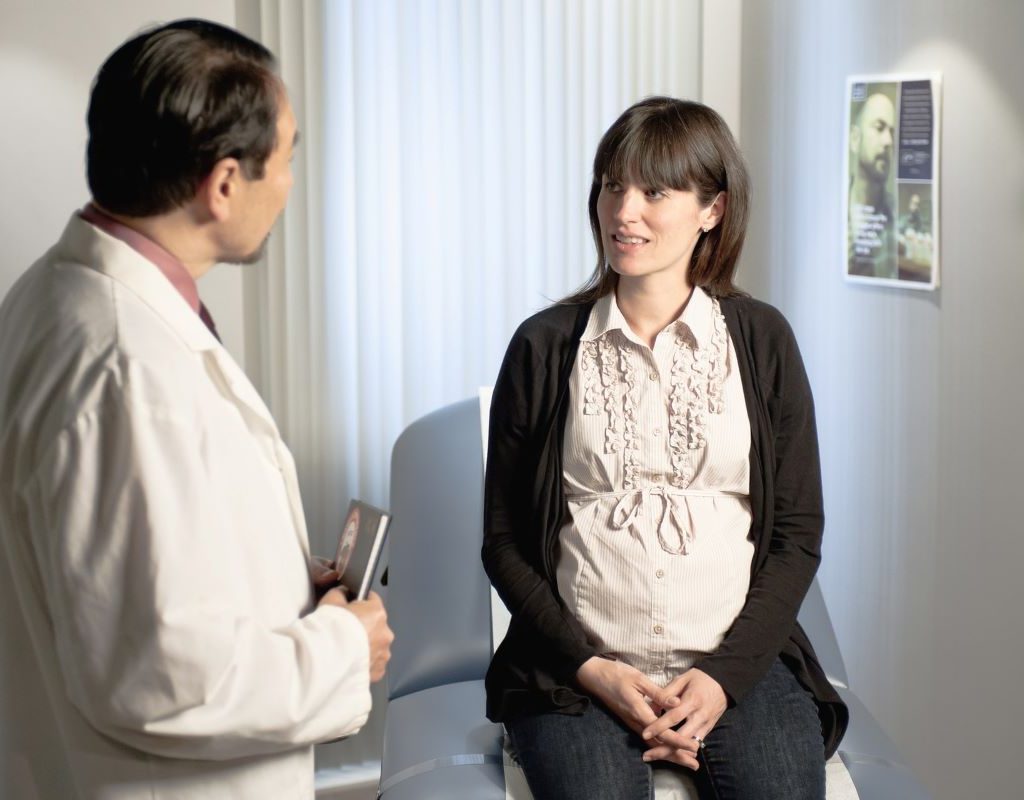
The condition is thought to be genetic and is neither clearly caused nor easily prevented by anything a patient does or doesn’t do. Patients whose mother or grandmother had the condition should be particularly alert for the possibility that they will as well, as should those who have previously had a liver disease, including Hepatitis C. It’s also more common for pregnant people carrying multiples (twins or triplets) and is more common among those who became pregnant via in-vitro fertilization (IVF). It’s also more common in certain countries, including Sweden, Finland, and Chile, although little is understood about why. In the United States, the condition is most common among Latina women.
More than half of people who experience the condition in one pregnancy will have it again in a subsequent pregnancy. All patients who have or suspect they have the condition must be regularly monitored; in some cases, the patient will experience the itching symptoms before a blood test confirms that they have elevated levels of bile in their bloodstream.
How is it diagnosed and treated?
The condition is typically diagnosed by a blood test that determines if there are elevated levels of bile acids in a patient’s blood. Once a patient is diagnosed, her doctor may prescribe ursodeoxycholic acid (common brand names for this medication are UDCA, Actigall, or Ursodiol), which reduces the level of bile salt in a patient’s bloodstream and thus can help relieve the itching. In more mild cases, treatment typically focuses on making the patient more comfortable and getting relief from itching. Often, patients can find relief from the itching sensation through anti-itch medication or steroid creams and cool baths. Wearing soft, loose-fitting clothing can also help make a patient more comfortable.
Regular blood tests can determine whether the patient has the condition, and follow-up tests, typically done every week or biweekly, can determine whether it is worsening. Usually, the fetus will also undergo a non-stress test, in which heart monitors placed on the pregnant person’s body can monitor the fetus’s heart rate for any irregularities or signs of distress.
What are the risks and prognoses for people with this condition?
In more severe cases, particularly in patients who developed the condition before their third trimester, the bile buildup can pose a risk to the health of the baby. Patients with the condition are at a higher risk of stillbirth (though it’s still very rare to that happen and only occurs in 1% of patients.) High-risk patients may be induced when they are between 36-38 weeks pregnant because of the small risk of stillbirth. Because impaired liver function can lead to a decrease in vitamin K, which causes blood to clot, people with this condition might also be at risk of excessive bleeding when they give birth. During birth, a baby may have lower oxygen levels or have a slow heart rate, or may thus need to be born via C-Section.
The prognosis for patients with the condition is very good: most patients with the condition have healthy babies and don’t have ongoing liver problems themselves after they are no longer pregnant. After delivery, a patient’s pregnancy hormones will sharply drop and the liver and gallbladder will function properly again The condition may recur in future pregnancies, however, and puts a patient at increased risk for liver cancer later in life. Always speak to your doctor if you have any concerns about a possible case of cholestasis of pregnancy.


