
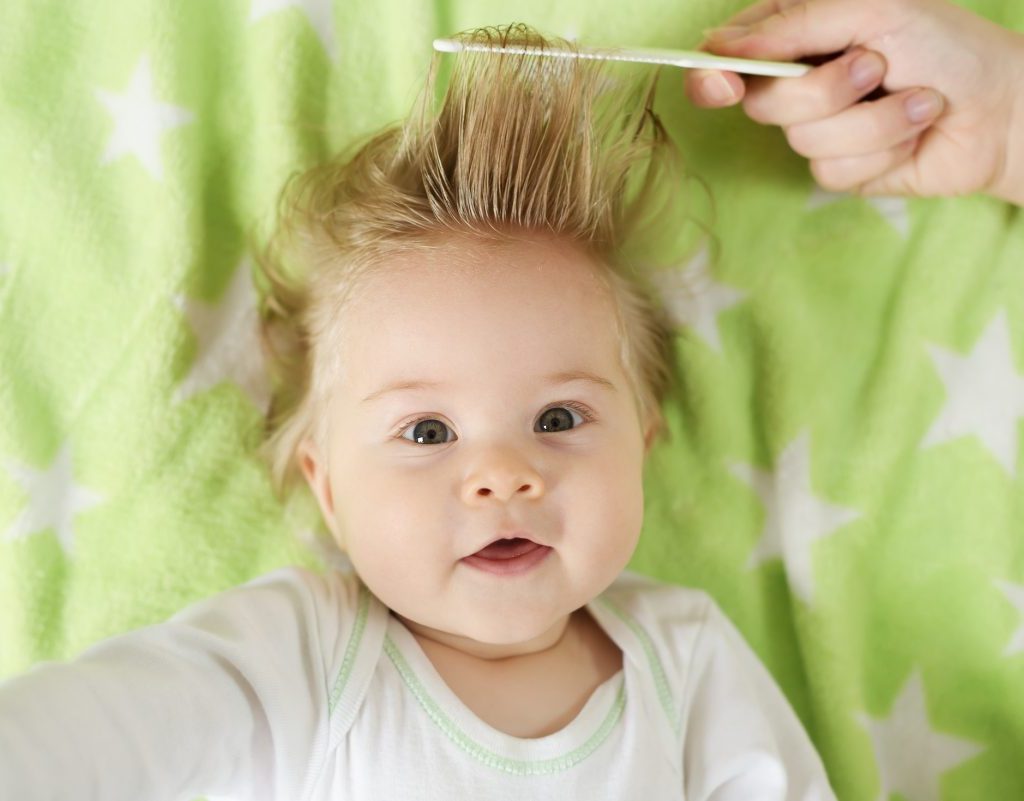
As an adult, brushing your hair is part of your morning routine. It’s probably part of your nighttime routine too, especially if you shower before bed. Brushing your hair is more than a part of your daily routine. It helps to keep your hair healthy. What about brushing baby hair? Should you brush your baby’s adorable hair every day as well? Believe it or not, brushing a baby’s hair isn’t solely about detangling. Although your teeny tot may not have much hair yet, it’s still a good idea to incorporate brushing into baby’s routine.
It takes just a few minutes per day, and you’ll notice the benefits long after hair brushing time is over. Yes, there are perks for you and your bundle of joy when it comes to daily hair care. Let’s take a look at the top reasons why brushing baby hair is a must.
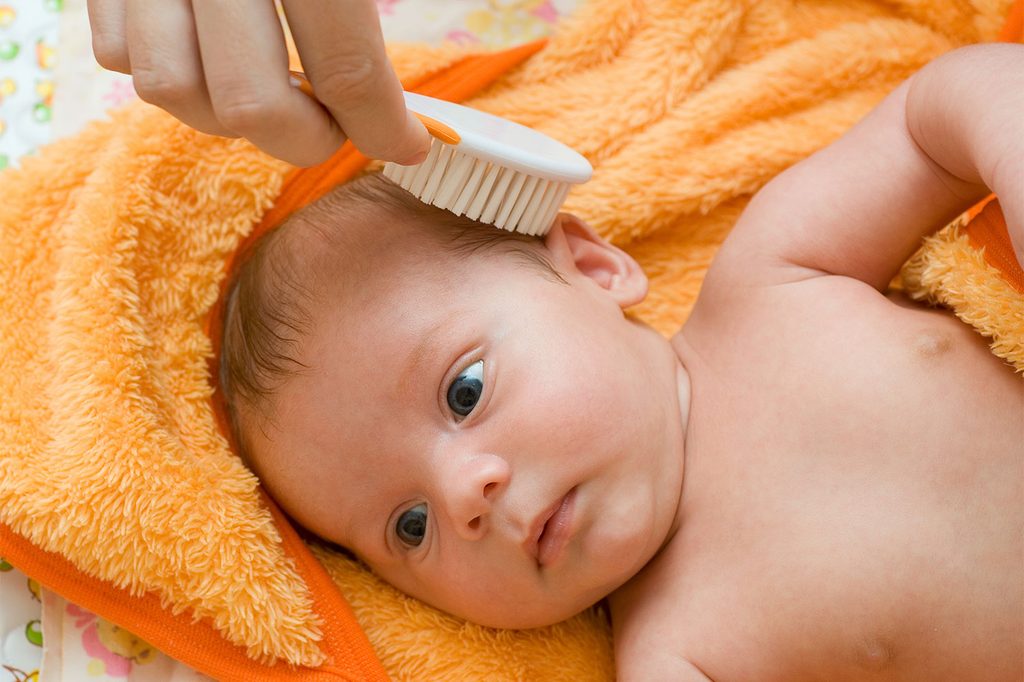
Pluses of brushing baby hair
Brushing your hair is about more than making it look stylish. When you brush your hair, you are giving yourself a mini scalp massage. This scalp stimulation increases blood flow and encourages hair growth, which is always a plus as we age. People lose anywhere from 50 to 100 strands of hair a day. So, when you brush your hair, you are helping those loose hairs to come away.
Did you ever notice how fresh your hair looks after brushing it? Well, that look isn’t from styling. It’s from the natural oils in your hair follicles. The sebaceous glands in the hair follicles help to keep the scalp from drying out. When you brush your hair, you help to move these natural oils from the roots of the strands down to the roots. That’s why when you’re done brushing your hair, it looks and feels awesome. Well, it’s the same for brushing baby hair and then some. So, put down that brush and see why you need to add hair brushing to baby’s everyday routine.
It’s a bonding experience
Touch is a significant component of bonding with your baby. Brushing your baby’s hair provides valuable touch time between you and your little one. The touch time helps with feelings of safety and security.
We know that skin-to-skin contact within the first hours of birth helps normalize baby’s body temperature, regulate their heart rate, and encourage better breastfeeding. As you continue to interact with your child, this touch provides continued support for your baby’s development. This is a big reason why brushing baby hair is an essential part of the day.
Brushing encourages blood flow and a healthy scalp
Soft bristles massage baby’s scalp and help encourage blood flow just like with kids and adults. The soft bristles brush off loose skin and increase circulation to the follicles. Increased blood flow stimulates hair growth and reduces dry skin on the scalp.
Brushing regularly reduces your baby’s chances of developing cradle cap. Cradle cap is a condition causing the skin on the scalp to become dry and flakey. Brushing lowers the intensity of an active case of cradle cap by gently helping the skin on the scalp to turn over, reducing irritation on baby’s sensitive head.
It helps build a bedtime routine
A soothing bedtime routine is an effective way to settle babies down at night, so they’ll sleep more soundly. Incorporating hair brushing into your baby’s nighttime routine will help soothe and calm your little one. A calming and repetitive bedtime routine helps your baby learn what to expect from the evening and is comforting. Brushing takes only a few minutes each night but helps flood the brain with chemicals that relax baby.
Brushing trains your baby for better grooming routines
It’s best to start developing good grooming habits and daily routines as early as possible. Brushing baby hair is a habit that will continue through childhood. Hopefully, the rote memory will kick in when they’re teenagers and often forget what a hairbrush is for. Of course, some children develop a dislike for having their hair brushed because it hurts when there are knots. Regular brushing along with the right hairbrush help to cut down on the discomfort.
Brushing baby hair helps with relaxation
Brushing hair is a soothing activity that helps your baby relax. If your little one has trouble going down for a nap, try brushing his or her gently just before naptime. If your tiny tot is fussy, a quick hair brushing could be just the thing to help baby settle down for a nap. If your baby is fussy before mealtime, grab the hairbrush. Brushing hair can sometimes calm a cranky baby before it’s time to eat.
It helps soothe the nervous system
Believe it or not, brushing hair triggers a nervous system response that relaxes your baby. Relaxed babies sleep and learn better, which leads to improved focus later in life.
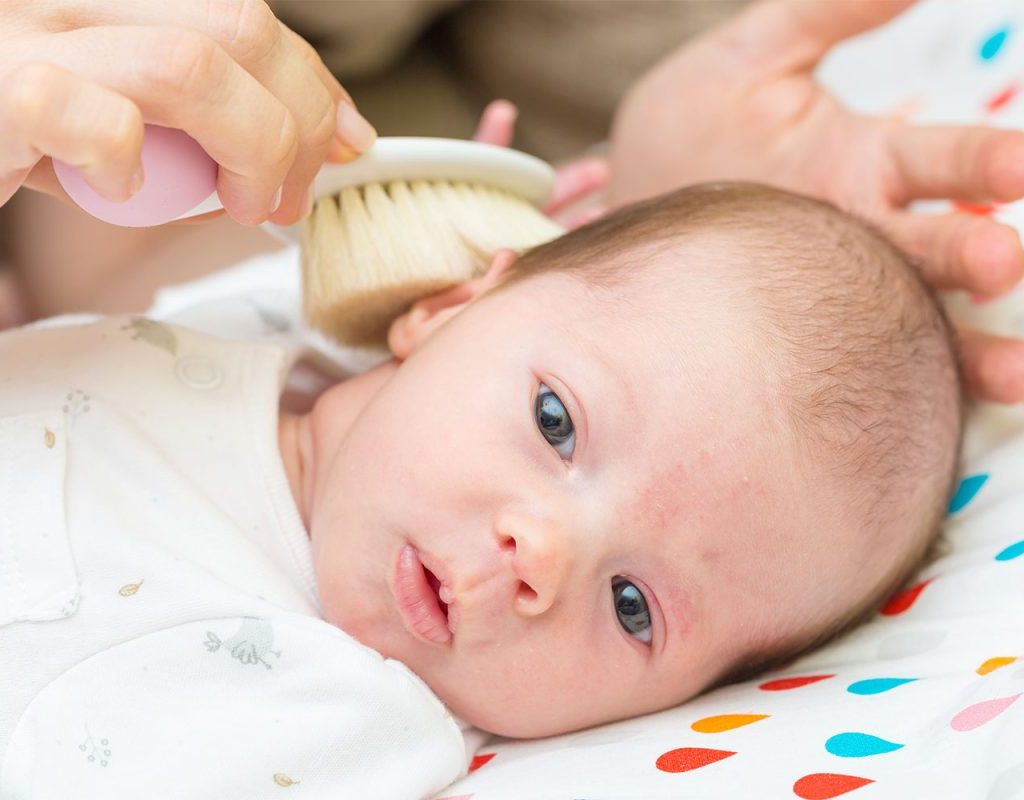
Tips for brushing your baby’s hair
Worried brushing baby hair differs from brushing your own? Don’t worry. We’ve got the tips to help make brushing your baby’s hair a fun part of the day.
- Start brushing as early as possible, even if baby doesn’t have hair yet.
- Brush in the direction of the hair to reduce any tangles and encourage blood flow. Use a circular motion around the crown of the head. Follow the direction of the hair to prevent discomfort.
- Brush when your baby’s hair is dry. A dry scalp is less likely to become irritated, and dry hair won’t tear as easily. Allow your baby’s hair to dry naturally and then brush for a few minutes.
- If frequent scalp issues plague that precious head, use a gentle serum with the soft bristle brush. Be sure to use a serum meant for a baby. The brush helps work the serum into your baby’s scalp to moisturize and heal the skin.
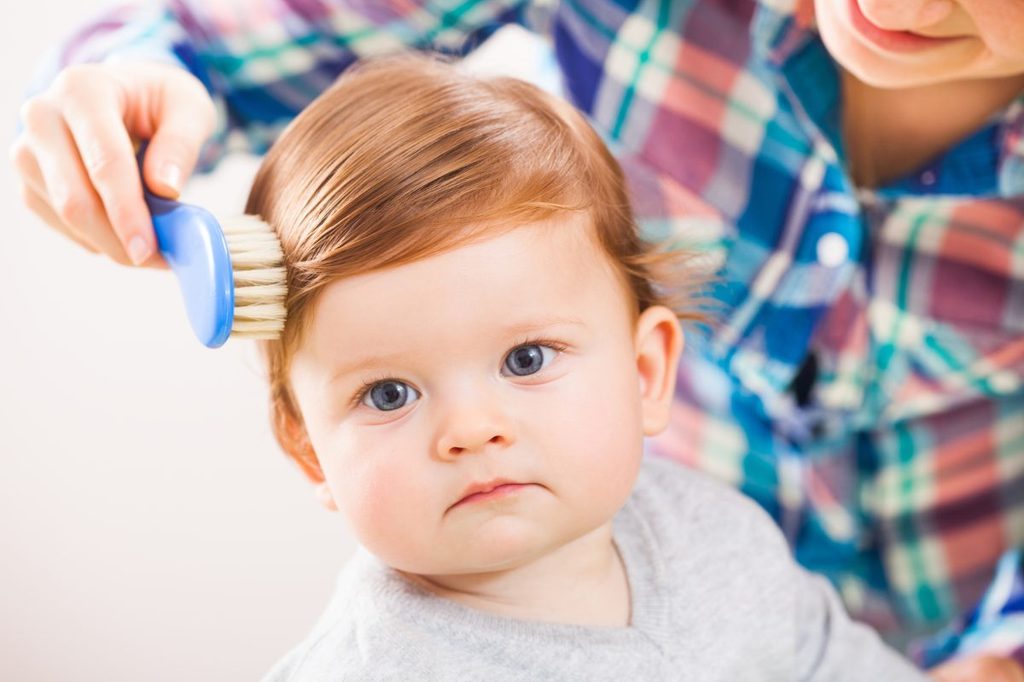
Best types of hairbrushes for baby
When it comes to brushing baby hair, remember to get your little one a brush of their own. Never use an adult brush on a baby’s head. The bristles are too rough and will hurt baby’s delicate scalp. Avoid using a sibling’s brush as well. A baby’s brush needs to be super soft, unlike the kind you may use on an older child’s hair. Consider these guidelines when choosing a hairbrush for baby.
- Soft, natural bristles are preferred over plastic ones.
- Check to make sure bristles don’t fall out easily.
- Brushes with a longer handle are easier for you to hold.
- Easy to clean.
Always remember to wash your baby’s new brush in warm water before using.
Brushing baby hair enhances your bedtime routine and strengthens the bond between you and your little one. The act of brushing your child’s hair not only encourages a healthy scalp and hair growth, but helps you and your baby relax. With a simple act of brushing your baby’s hair, you’ll have a healthy, happy, calm child. A calmer baby makes for a calmer parent, so everyone benefits from some quality bristle time.


