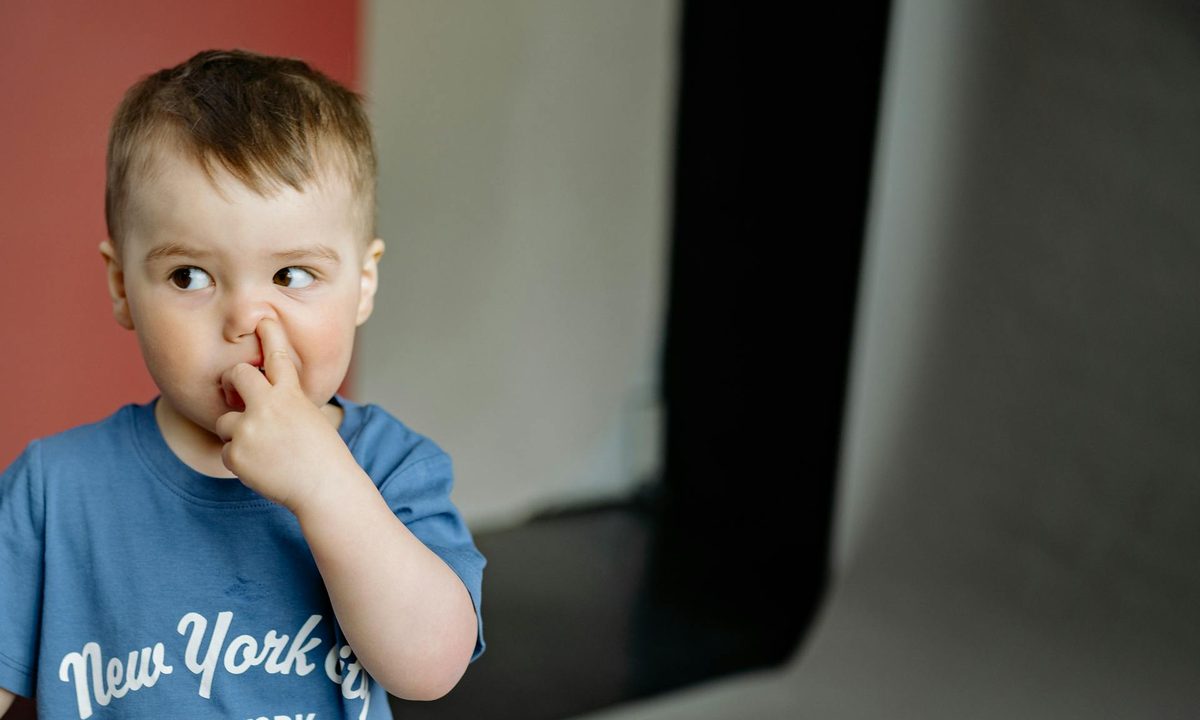
Even though kids are adorable and funny and oh-so-cute, they’re also sometimes kind of gross. The things your sweet child sometimes does can be super disgusting. Ask any teacher. One of the most cringe-worthy things kiddos do is eat their boogers. Every child does it. You may not remember it, but if you asked your parents, they’ll say they caught you a time or two trying your own nose boogs.
Why do kids eat boogers in the first place? It seems like “don’t eat your snot” is something parents should never have to say. Well, children are weird and will try anything if left unattended. You always encourage your child to try new things and unfortunately, the taste of their boogers is on the list. Most parents, though, don’t want their kids experimenting with the taste of boogers. So, let us help you get your child’s nose-picking (and taste testing) under control by understanding why kids eat boogers in the first place.
Booger obsessed
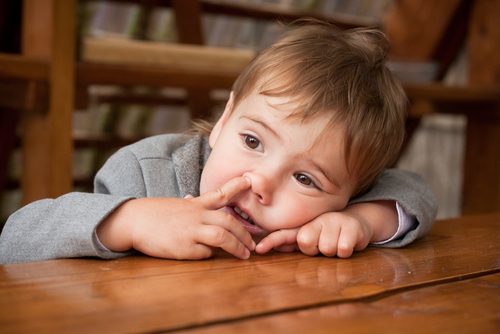
Adults don’t understand it, but kiddos are fascinated with boogers and they think it’s a funny word. Kids will giggle when they hear the word and even more if someone has one on their finger. A big part of the booger obsession starts with adults themselves. Think about it. How many times do you tell your kids not to pick their nose or get a tissue to wipe their snot? Then there’s reminding kids to not touch their faces, which is where boogers hang out.
Remember when they were babies, you were probably a bit preoccupied with clearing their noses. At some point in life, everyone has picked their nose to remove an annoying booger. Chances are kids have seen you do it, whether it’s with a tissue or a finger. The biggest part of the booger obsession is the reaction kids get positive or negative when that finger drifts into their nose.
Why do kids eat boogers?
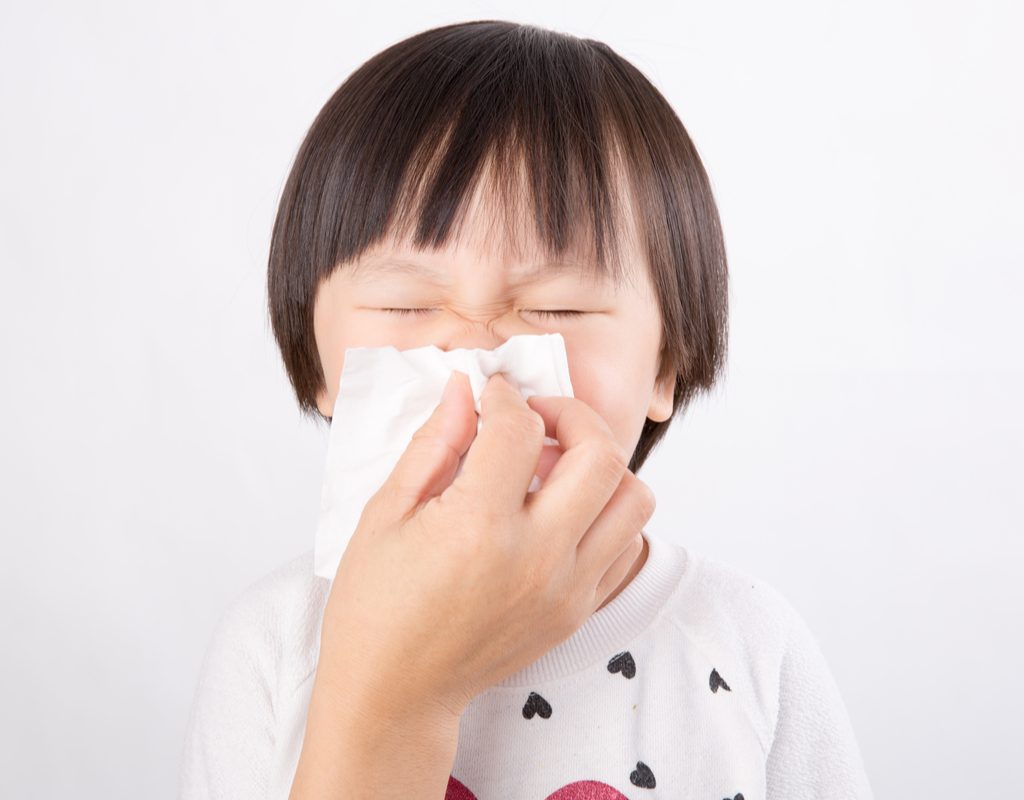
Boogers are part of the body’s natural immune system. They form when dust, pollen, and dead skin cells come into contact with mucus in the nose. It’s the mucus’ job to keep those nasty particles from getting into the lungs and wreaking havoc. When the mucus fills with dust and other foreign particles dries out, boogers form. So, why do kids decide to take a taste instead of just blowing them out like adults do? There are a few reasons why kids think eating boogers is a cool thing to do.
They see other kids doing it
Monkey see, monkey do. Kids will mimic anything they see around them. If they notice a sibling or classmate picking their nose and eating it, they will be more likely to try it themselves. They are curious and want to know why others are doing it.
They like the salty taste
Kids will pick boogers as long as kids have fingers and a nose. Remember, adults do it, too. There’s even a Seinfeld episode on the subject. What makes kids think eating their boogers is the best thing to do? Kids can’t resist the salty taste. While adults might grab a bag of chips when they want a salty snack, kids dig a little deeper.
They feel nervous
Your child could be feeling anxious about something. If you notice your child behaving nervously in certain settings, they could be coping by picking their nose and eating the boogers. Most of us have a weird, nervous tick. This one could be your child’s.
How you can help them stop it

Now that you understand a little more why kids sneak a taste of their boogers, here are some strategies to encourage them to stop.
Talk to them
A conversation needs to happen first. Ask them why they feel the need to pick their nose in the first place. Have an age-appropriate discussion with your child about why they eat their boogers. Then, sit back and listen. Let your kiddo tell you why they got started, so you both can figure out how to stop it.
Teach them why eating boogers isn’t a good idea
Dr. Koempel, a pediatric otolaryngologist, stated, “There are some potential health issues associated with nose picking, mainly the potential for causing bloody noses and introducing bacteria into the nose.” Talk to them about diseases, germs, and bacteria. Let them know when they pick and then don’t wash their hands, they are spreading viruses around the house that can make the rest of the family sick.
Let them know about the physical downside
Not only will they spread their germs around, but the constant picking can cause painful sores in their nose. Tell your child about nose picking leading to sores which can lead to infection, which can be uncomfortable and painful.
Redirect your child’s nerves
You are going to have to find another way for your kid to release that anxious energy. Those bubble sensory toys are amazing. They keep little fingers busy and out of their nose. Sometimes all it takes is a little redirection of their energy.
Taking attention away from those boogers
Just like redirecting a child’s nervous energy from the nose, try to move your kiddo’s attention to something besides boogers with books, toys, or an activity they enjoy.
What to do to curb their picking
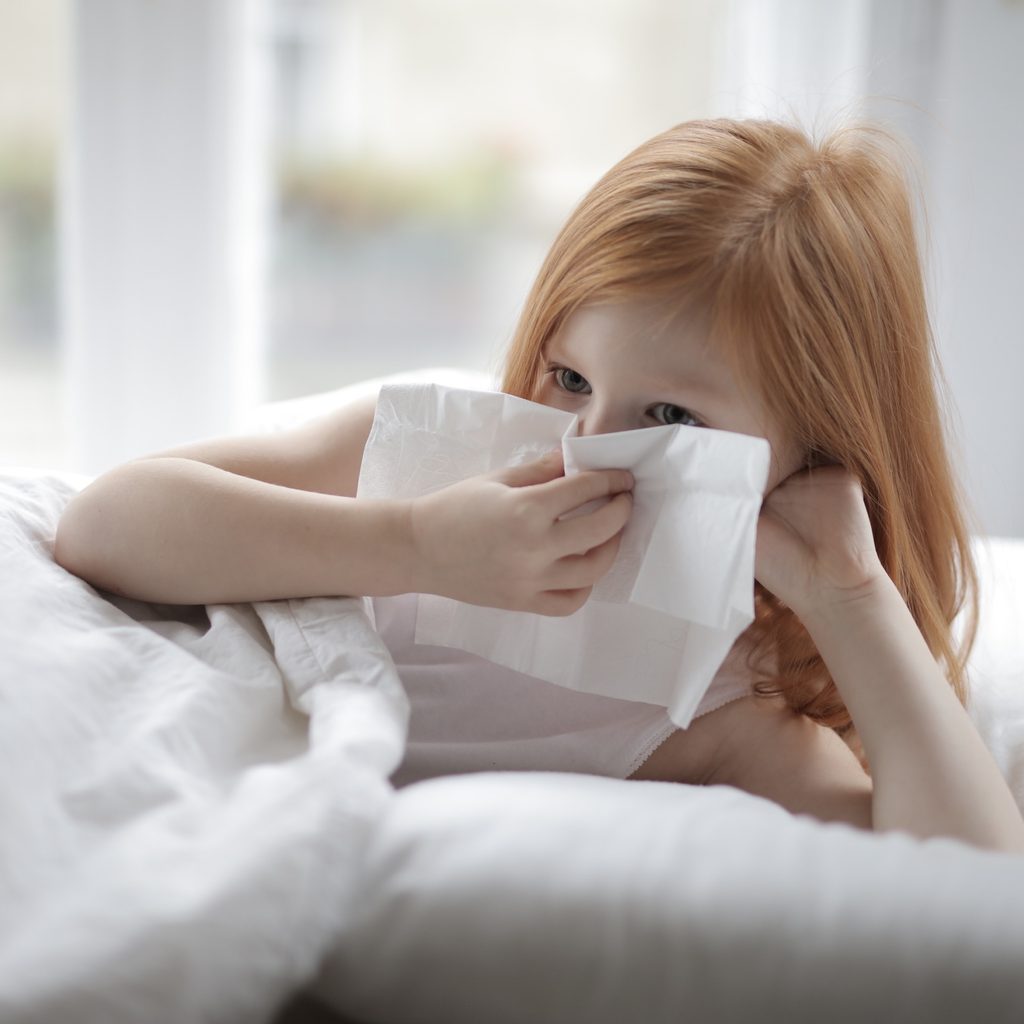
To stop them from eating the boogers, you need to get them to stop picking in the first place. There are a few things to try when simply speaking to your child isn’t doing the trick.
Bandage up their finger
If you had chickenpox and couldn’t stop scratching, your hands were wrapped in oven mitts. The same concept applies here. Put bandages over the fingers your kid uses to pick.
Try saline
Keep saline solution around. When you see your child go to dig, apply some in the nostril. Keep the nose wet to keep the buildup of mucus down so boogers don’t form.
Teach your kid to blow their nose
Another reason why your child might be picking their nose is the yucky feel of the dried boogers. As adults, we know to grab a tissue and blow. Kids might not get that correlation. So, help them out and show them how to blow.
Always have tissues on hand
Keep tissues in your bag, in the car, in your kid’s backpack, and in the house. You might have to sound like a parrot and repeat “blow your nose” over and over again, but they should get the hint eventually and do it on their own.
Make sure it’s not a nasal condition

If none of these suggestions work, or your child is still bothered by their nose, there could have an illness, allergy, or condition that is causing the nose picking. The next step is to talk to your pediatrician if else nothing is working. Dr. Gellnar, a pediatric physician, advised, “If the nose picking starts causing a lot of problems, such as nosebleeds or skin infections, talk to your pediatrician about things you can do.”
Is eating boogers actually unhealthy?

Although most parents don’t want to see their child picking their nose and eating it, is it really unhealthy? Olga Rose, MD, a pediatrician at Scripps Clinic Rancho Bernardo explains that while they may not be truly unhealthy, it’s not behavior you want to ignore. “Eating boogers is something we try to discourage,” says Dr. Rose. “It’s probably not harmful, but your body is getting rid of them for a reason, so it’s best to let nature take its course.”
In fact, she explains that boogers, which are made of mucus, serve a purpose. “Mucus helps flush out substances like dirt, dust or bacteria before they can get into the lungs and cause irritation or breathing problems. It can also help keep you from inhaling viruses that can make you sick.” So while your child probably isn’t going to get sick from eating their boogers, leaving them alone can help them from getting sick.
Part of growing up
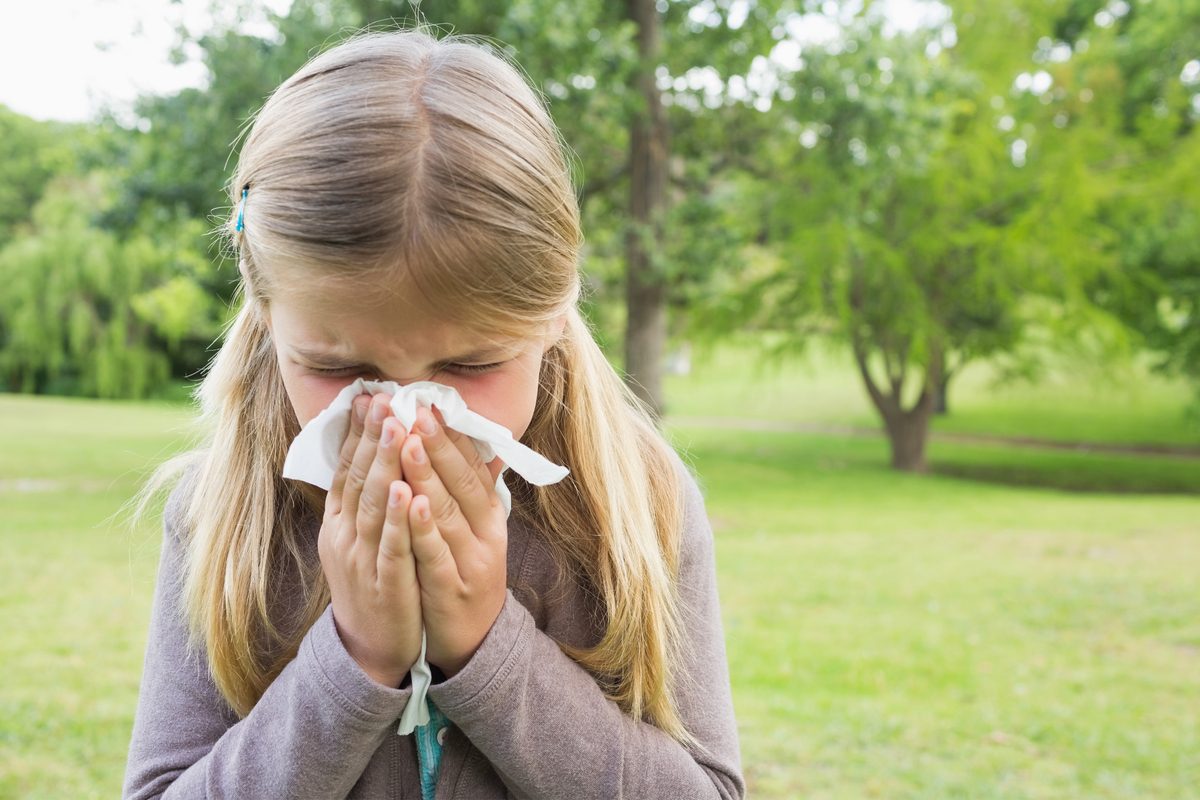
As gross as it sounds, boogers are an obsession with kids. Think back to your school days. There was always someone who went farther than picking. Whether it’s a nervous habit or something for your child to do because of boredom, nose-picking is something every parent is going to have to deal with at some point. When kids pick, they get curious and eat, especially when there’s an audience.
While the majority of kids give up and grow out of it, some kids develop a habit of saving their boogers for dessert. Our tips can help the kiddos stop their probing so that they aren’t tempted to put that booger-filled finger in their mouth again. That will keep everyone’s appetite open for healthier options.


