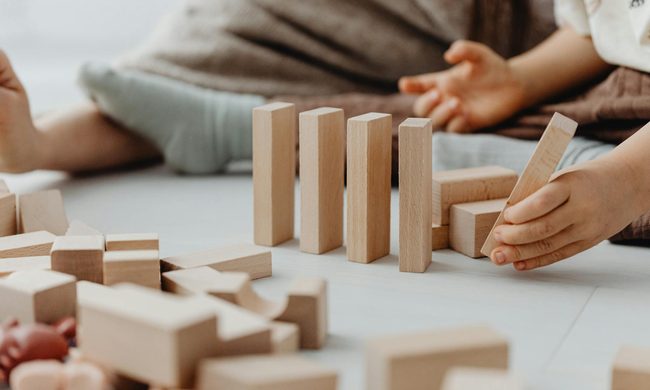
The magical world of make-believe is a fascinating place for children. In that world, ideas of superheroes, princesses, space travel, deep sea study, cave exploration, and everything in between can be achieved. They often feel as if they can be or do anything — and they then put their minds to work, making that world come to life. Watching them enjoy this type of play can be very rewarding for parents, but it can also bring up questions of how to foster that kind of play even further – or even how to join in with their children without hindering their creativity.
Create a dedicated space
When it comes to a kid’s creative play, parents may know all too well that their ideas can sometimes run away very quickly. It’s important to make sure that your child has a dedicated space in your home where they are free to construct their projects and plans, even if they play in this space alone or with siblings or friends. Whether it be an entire room or a just a corner, having their very own spot to become or create something out of this world can give children a sense of empowerment that they truly can be or do anything that their brains create.
It’s important that this space be very specific to your little one and their individual needs. Setting it up with your child could be a wonderful bonding experience for parents and children, with it being a first possible opportunity to engage with them in their creative play. Building their spot together as a team allows your child to have a say in how the location is decided upon, how much space they might possibly need, and what type of items they would like to include in it. When you incorporate your children’s input in these types of decisions, a connection between you is formed. This type of connection encourages your child to involve you more often in their games of make-believe.
Fill it with fun!
You may be wondering what type of items to place in your children’s newly designed make-believe area. In this instance, less is more. Store-bought items purchased specifically for this space are not mandatory. The types of items that work best in these situations are usually things around your home. Things such as:
- Old clothing – Shabby or worn-out clothing that would otherwise be donated work great in this instance. Hats, gloves, old tool belts, sunglasses, shawls, and other items make great additions to children’s games of dress-up.
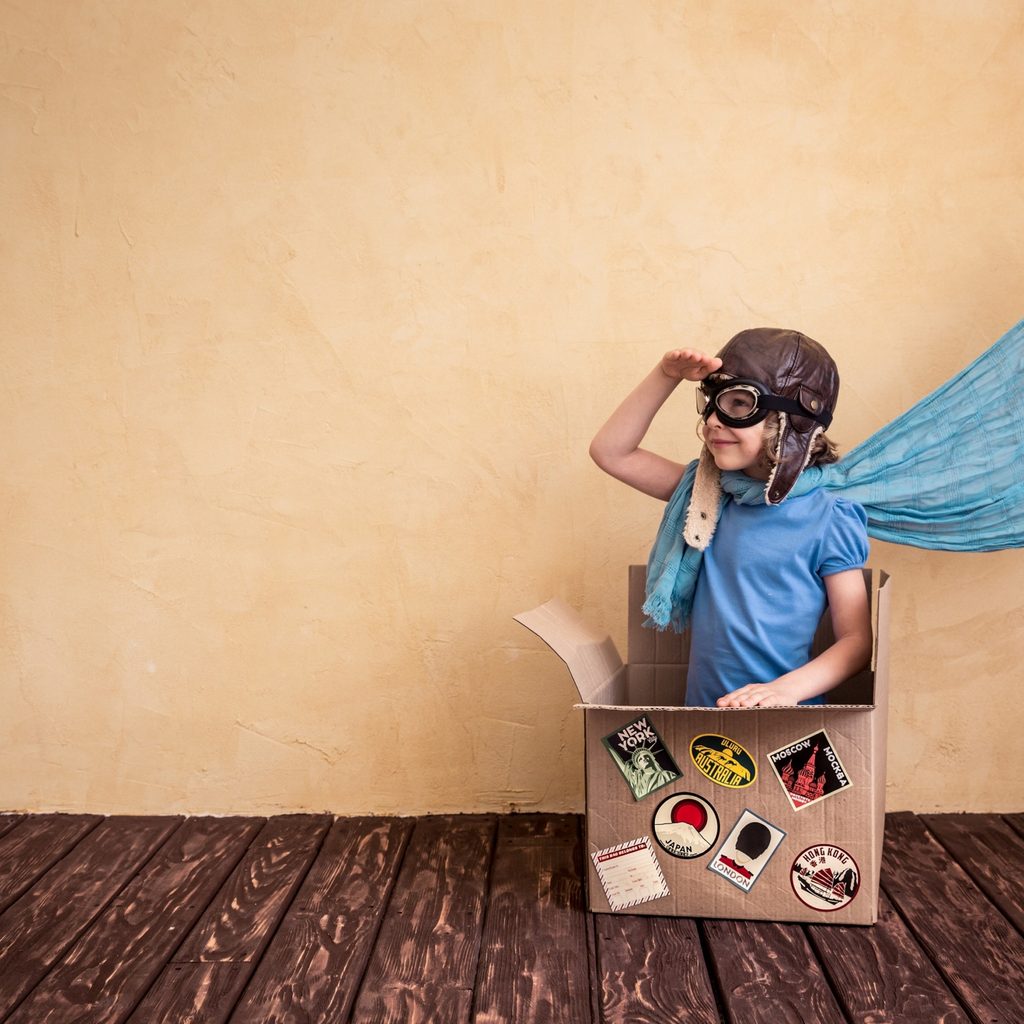
- Cardboard Boxes – Think big here, not little. Appliance boxes or other larger types are what you’re looking for. These make great castles, playhouses, pirate ships, navy cruisers, or whatever your little one may come up with. It’s basically a blank canvas, just waiting to be created upon. Add in crayons, markers, scrap paper, or other art supplies and allow them to go to town on the box’s panels — producing art or personalizing it.
- Old blankets and pillows – Do you have memories of fort building when you were a child? Why not toss some of your older or unused blankets and pillows to your children so they can do the same? These forts don’t need to be super-sturdy or elaborate, unless your kiddo wants it to be that way. The idea here is to allow their ideas to flow freely and to bring them to life.
- Art supplies – Again, these do not need to be specially purchased items intended solely for your child’s creative area. Using less-than-new coloring utensils, scraps of paper or fabric, leftover beads, dried macaroni, or flowers plucked from your front yard gives new life to items that may have ended up in the trash.
Be your child’s macro manager, not micro manager
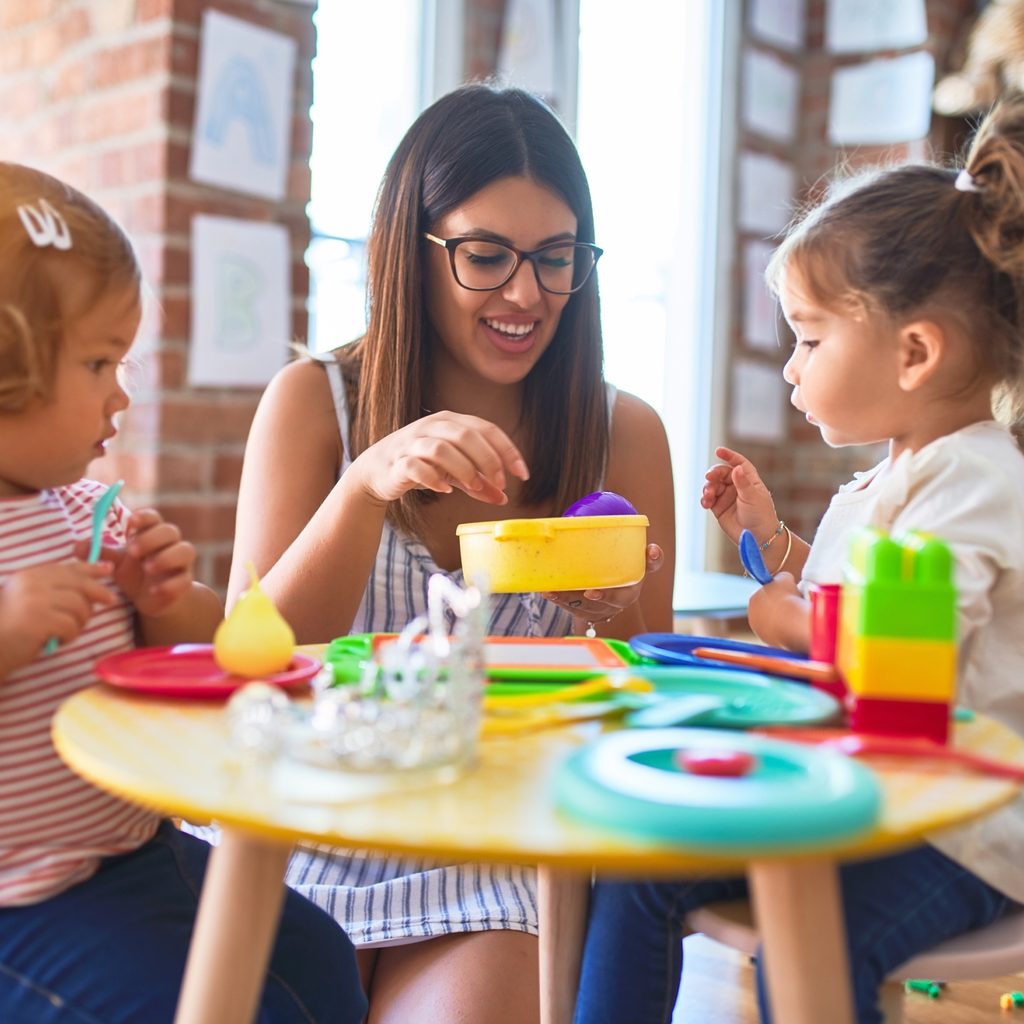
When it comes to our children, parents may want to step in and offer ideas or assist them in drumming up suggestions on what and how to play in their imaginary worlds of make-believe. While this may seem harmless, experts recommend parents not interfere with or become too deeply involved in their children’s creative-play ideas. This kind of entertainment gives kids the opportunity to freely think, create, and even fail — if that’s the outcome of their plans.
What’s important is not that children don’t fail, but more so that they see not every idea is feasible. In other words, it’s not what is achieved in the end, it’s the thought process kids go through to learn and play. This could be a good time to practice a more “hands-off” parenting style and becoming your child’s playmate. They are generating ideas, not analyzing them. You could even go a step further and encourage laughter when mistakes are made – give them the gift of laughing at themselves.
Let them experience the good and the bad
Creatively playing with their children shouldn’t cause parents to stress unnecessarily — nor should it be viewed as a structured or rigid practice. “Letting go” of their children to freely play can prove difficult for some. It can be even more difficult when your children fail at their creations. As heartbreaking as it is to see your children become frustrated with themselves, parents should try to remember that these kinds of feelings must be felt. They help foster growth and brain development, in addition to building relationships between parents and their children, as well as other playmates and family members. This type of play, once experienced by parents and children, can be extremely freeing. It gives children a chance to do just what they wish (within reason) and parents to allow them to make mistakes.
In the words of the beloved children’s television host Mr. Fred Rogers, “You can think about things and make believe. All you have to do is think and they’ll grow.”