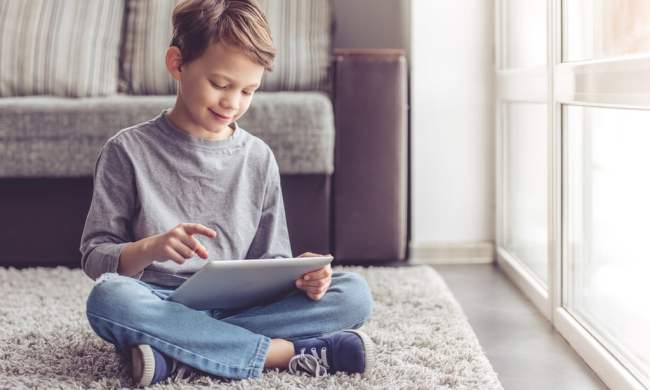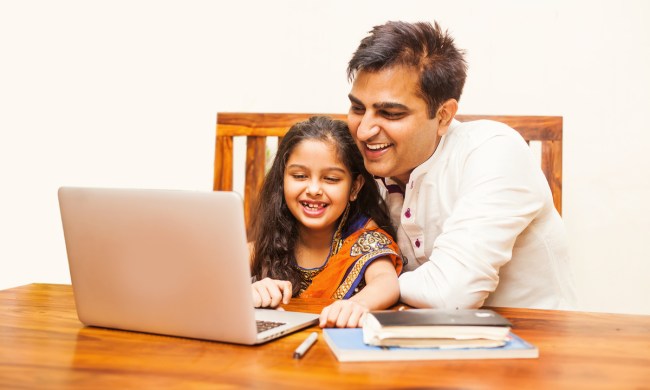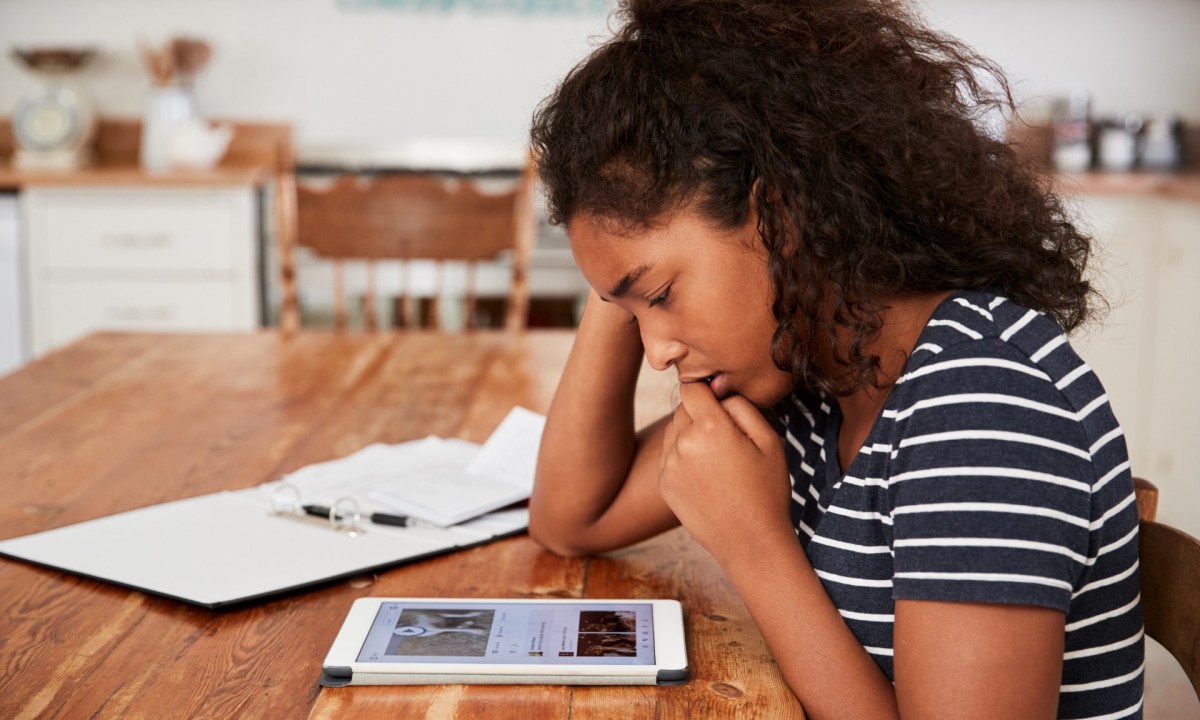
It’s a parenting tale as old as time. You have things to get done around the house, but a small person who says they’re bored is competing with your to-do list. And so, you do what many parents do in this stretched-thin situation. You turn on the television, hand over a cellphone, or put on YouTube. But when it comes to kids watching YouTube, is it doing more harm than good?
Screens can be “addictive,” as noted by Dr. David Greenfield, founder and clinical director of The Center for Internet and Technology Addiction. He explains that they have a dopamine-producing effect, and many realistic pediatric experts agree that, while screens are a part of our modern lifestyle, moderation should be enforced, and limitations be set. Parents need to learn why they should be mindful of children watching YouTube and how to lay down the screen time law at home. We’ll share some tips and words of wisdom from experts in the know.
Why screen time could be negative
Screen time is a modern luxury available to kids today that we can’t get around. It’s easier and more convenient than ever to rely on screens to get us through rough patches in the day. This is a blessing and a curse.
“We don’t know the long-term ramifications of excessive screen use,” Dr. Greenfield said. “The brain is responding to an excess of stimulation, and the brains of these children are being bombarded with sound, movement, and color in a way that we’ve never seen before.”
“We think that it desensitizes the child to other forms of stimulation and input, and, therefore, it may make learning more difficult and make it harder to gain that level of attention later in life,” Greenfield added.
There are the physical implications of screen time to consider, too. When kids are happily sedentary, engaged in front of a screen for hours, they aren’t doing active endeavors: playing sports, running around, going for bike rides, or using their imaginations.
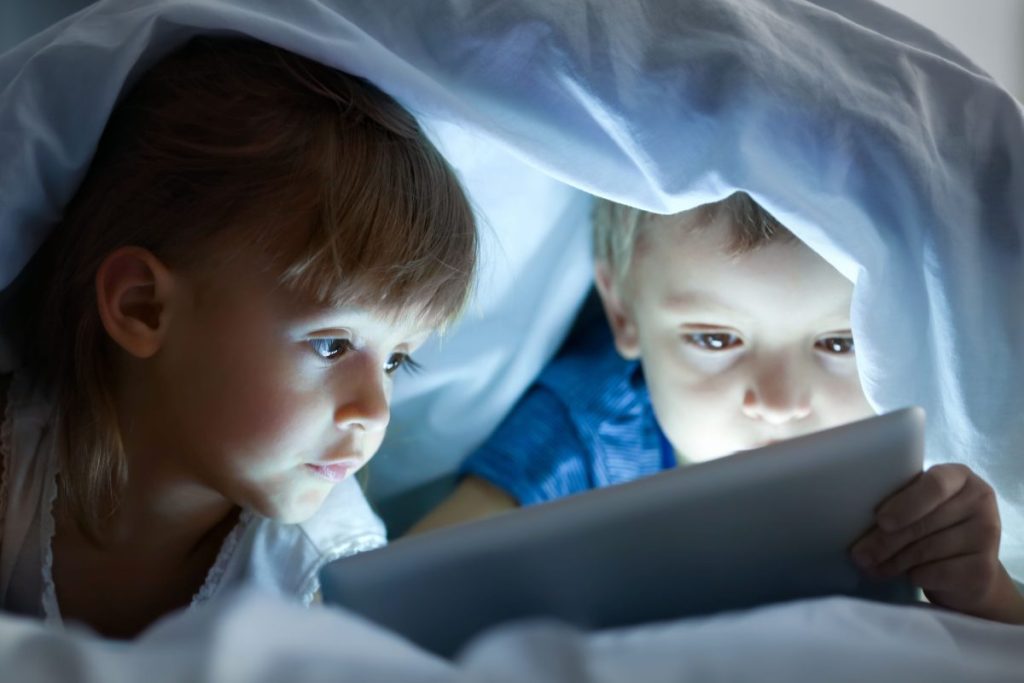
Moreover, as pointed out by Dr. Natasha Beck, a child and family health expert and the founder of Dr. Organic Mommy, “There is a correlation between screen time at night and poor sleep. If your child has trouble sleeping, try to avoid it. This is especially important for phones and iPads, as the blue light tells your brain it is daytime.”
The YouTube basics parents should know
To combat anything related to screens or social media, parents have to know how it works.
The default is that nobody under the age of 13 can sign in to YouTube
Now, kids get around this by the parents creating an account for them. So, right there, parents should know what they are signing their child up for.
They can watch YouTube on anything
A laptop, tablet, television, and smartphone all allow YouTube. If your kiddo is on a screen, they could make their way there.
There are parental controls built in, but you have to turn them on
Through the account you used to create the profile, you, as the parents, could either add supervision to the account, change the settings to block certain videos on the account, put it in restricted mode, or put it into YouTube Kids mode, where only certain content will be allowed.
Putting the account in YouTube Kids mode is the best option. Doing this won’t stop everything, but it will greatly reduce the weird stuff that gets through the cracks. You can always go back and look through the watch history to make sure only child-safe videos are getting through in this mode.
Should you allow your child to watch YouTube?
It would be unrealistic to say your child should never have access to a screen — or that you should completely forbid YouTube. Dr. Greenfield advised that children under 5 should have little to no screen time. Those ages 6 to 9 should have no more than an hour a day. For kids 10 and up, cap it at 2 hours.
What’s more, Dr. Beck noted that “the quality and content of what children watch are more important than the amount of time they sit in front of a screen.” To that end, make sure whatever they are watching is entertaining and educational. For inspiration, check our list of kid-friendly YouTubers your child will be safe watching during screen time.
How to limit screen time
Dr. Greenfield offered a few suggestions on how to curb the YouTube habit if you feel it’s getting a bit out of hand in your home.
- First, you should turn off autoplay on YouTube. Kids don’t have the self-restraint to stop themselves as new videos automatically play one after the other. Providing a built-in pause will help them recognize it’s time to move on with a more stimulating activity.
- Be sure to supervise screen time as much as possible. There are a lot of crazy things on the internet, and you want to make sure what your child has access to is safe and age-appropriate content.
- Set a timer on your phone or use parent controls with tools like Circle or the digital service Qustodio. These make a time limit more definitive than a simple alarm you’ll turn off or ignore.
Are there benefits of screen time?
Not all content on YouTube is created equal. Watching someone do weird pranks or taking you through their Minecraft world isn’t necessarily as useful as some of the more thought-stirring content out there. Dr. Greenfield said the use of screens for educational purposes is even “questionable.”
Greenfield elaborated, “I think that if you use YouTube to show your child educational information or content that is aligned with what he or she is learning either in school or in terms of their life at that time, sure, that can be an enhancement of that learning… but that’s made us a bit lazier in how we get access to that information.”
Parents should be an active participant

If you were raised in the time when you left when the sun came up and just had to be home when the streetlights came on, you may think leaving kids to their own devices is just how it is. But with the internet, it’s not the same these days. Parents have to be more active in what their child is watching online, especially with a platform like YouTube, where almost anything can be uploaded to it.
If your child finds a YouTuber they really like, watch a few videos with them and see if there is an educational aspect. You could find a YouTuber you like to watch together or find one your child really likes that you think is appropriate for them to watch alone, and then can tell you about the videos later.
The screen time dilemma is something we all face as parents. It is our responsibility to ensure our kids are active and stay off computers, TVs, and other electronics for most of the day. But that does not mean they can’t enjoy some age-appropriate programming. As with all things, you need to strike a balance.
If it were up to your toddler, Cocomelon would be playing 24/7. Left to self-entertain, your tween might be tied to YouTube for hours on end. Set restrictions and show yourself some grace when you need a break. Screens can be your friend if used properly, but kids watching YouTube without supervision can have negative effects if not monitored by parents. Be strategic with how and when you frame this privilege, and you and your little ones will benefit.