  1. Home
  2. Activities
  3. Evergreens

What are some benefits of a toddler play group?

Add as a preferred source on Google

Looking to give your toddler a little extra socialization? If you are feeling like your little one could benefit from being around and engaging in play with other toddlers, you may want to consider joining an age-appropriate play group. These tot-friendly collectives help children achieve a well-rounded upbringing — full of learning experiences and relationship building. Parents strive to give their children the best and most fulfilling experiences, and playtime is no exception.

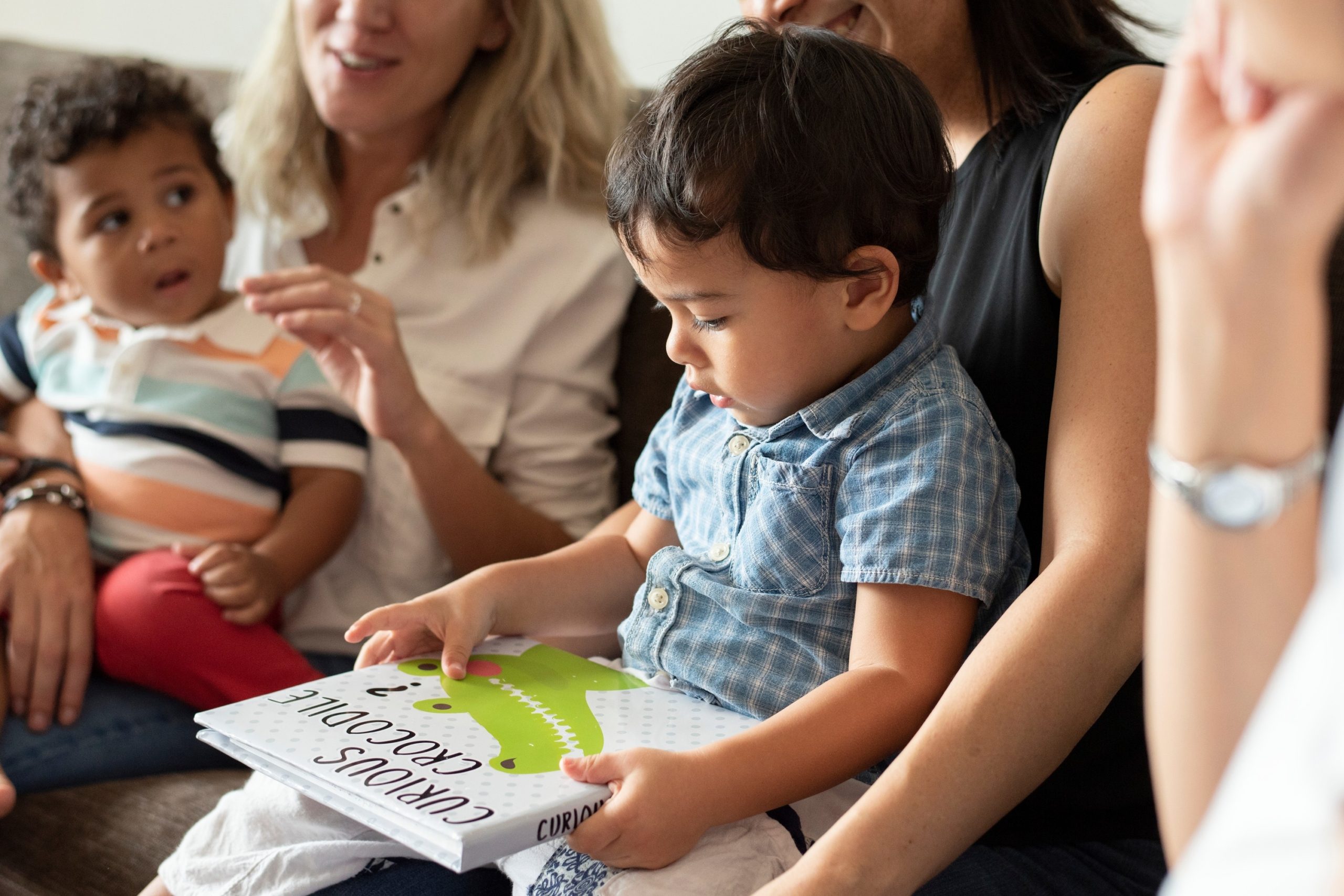
If you aren’t familiar with what a play group is, it can loosely be defined as a collection of children and their parents (or guardians) that meet up once to several times per month for the little ones to play together. These kiddos are usually of similar ages, can consist of boys, girls, or be co-ed. These groups often meet at a central location. Some may even rotate to different spots depending on the time of year — such as a park during warmer weather and move indoors during the winter months.
Rawpixel.com/Shutterstock

If you’re looking for something like this for your child, you may be wondering where you might find them, or how you might arrange a kid’s play group in the first place. Asking friends, family, or neighbors is a good place to start. Or you may also consider social media groups geared toward local parents. A parenting app is also a possible connecting medium for play groups around your area. Staying as local as possible is important to keep in mind as well, while seeking out groups to join.

Recommended Videos

Staying close to home provides parents a two-fold benefit. The first one is saving money. Let’s be honest, no one wants to be driving all over the place for play groups that cost them precious fuel and put miles on their vehicle. The other perk to staying local is it helps parents stick to their child’s schedule and routine. Children are creatures of habit and often rely on routine to get through their days. We all know the devastating outcomes of missing naptime or a meal. The idea of play groups is to bring happiness and built relationships, not cause stress or frustrations. If a playgroup causes issues, then it’s counterproductive.

But, as our title questions, what are the benefits of these play groups? The biggest reason to get a gaggle of fast-moving toddlers together is socializing. When kids play together, what they are doing is more than just laughing and playing games. They are also:

  • Problem solving
  • Learning social cues
  • Taking turns
  • Sharing
  • Showing empathy toward others
  • Not always getting their way.

These are skills that our kids usually develop on their own among other children of similar ages. This makes play groups a particularly important tool to help nurture these relationships your little ones are building.
Two mothers with their babies drinking coffee
SpeedKingz/Shutterstock

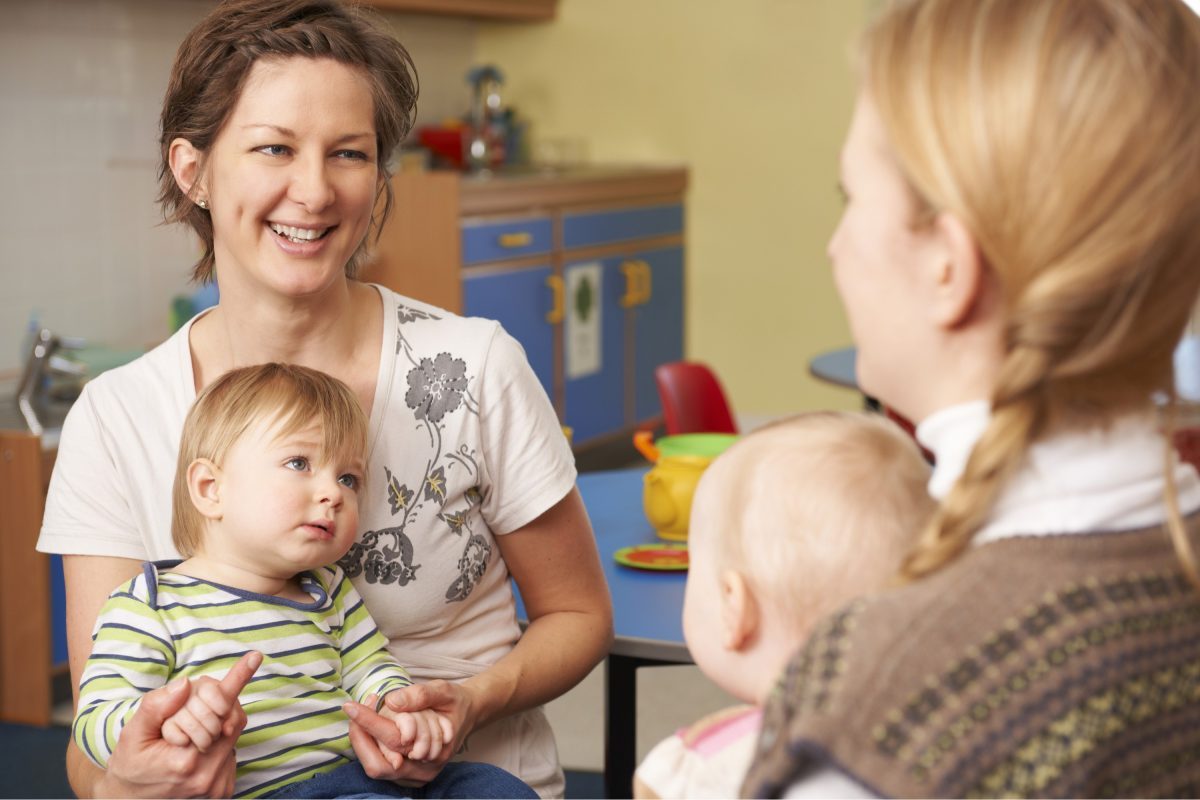
And while the benefits of these groups are mainly geared toward our kids, play groups are also a wonderful place for parents to go, as well. Sometimes when our kiddos are small, and they need us almost for basically everything, we often feel a little overwhelmed. Dishes pile up in the sink, laundry starts to fill up in the hamper, and we’re tired of looking at the same old walls. That’s where play groups step in.

Parents love their kids, but as we all know, kids can be exhausting. Sometimes parents just need to talk to another grown up who doesn’t live with them, to blow off a little steam. Releasing those tensions and frustrations often help parents feel more relaxed and less stressed, making for a happier environment all around. Taking our kids to play with other little ones can also help parents:

  • Engage in conversation with other adults
  • Build their own friendships with other adults
  • Ask questions and advice of each other
  • Find a sitter
  • Exchange clothing and other baby or child-related items.

Play groups are excellent places for folks of all kinds of home situations. It doesn’t matter if there are multiple children running around or just one in your household. Kids should be exposed to other kids outside of the home. Putting them in innocent situations that might make them think or adapt helps their emotional growth. It sort of  forces them to think outside of their normal “box,” growing their knowledge and building upkids outside of the homon it.

Whether you are a new mom looking to make a friend or two along with your little, or are a well-seasoned mama with multiple kiddos filling your vehicles, play groups are fantastic ways to assist in the making and building of bonds and friendship. Not only that, but they also foster brain growth, social skills, and problem solving. Give your kiddo the gift of a bright future when you seek out and find a local play group to join. Your little(s) — and you, to be honest – will be glad you did!

The best low-stimulation movies for calming toddlers
Make sure movie time does keep your toddler awake
Cute toddler watching a movie on a laptop

Screen time isn't always a bad thing for toddlers. Sometimes, when your little one isn't feeling well, watching a soothing movie is a perfect pick. Low-stimulation movies for toddlers offer better quality screen time than movies that are loud and packed with action. Sure, those are fun and can be super exciting for kids, but the impact on their cognitive development is often negative. Those overstimulating movies can be too much for toddlers, leading to tantrums, meltdowns, and an inability to fall asleep.

Think about how difficult it is to fall asleep after watching a horror or suspense movie right before going to bed. Your mind is going in different directions, making it hard to relax and drift off to sleep. Well, it's the same for toddlers. So, what are the best low-stimulation movies for toddlers to watch and what exactly are they?
Best low-stimulation movies for toddlers

Read more
When should your baby be able to stack blocks? Here’s what to know
Know when babies can nest cups and balance blocks by themselves
A child playing with stacking blocks

When you’re a new parent, the moment someone gifts your child their first set of blocks, you become obsessed with baby learning and when they should be able to turn the blocks into beautiful creations of their imagination. While stacking blocks are an important developmental milestone for babies, it’s also one of those things that evolves with time and practice. Sitting down to play blocks with your little one is an open-ended game that teaches children physics, resilience, and fun. When can a baby stack blocks and nest cups on their own without your help? Here are some general guidelines so you know how to measure your child’s development with their gift of stacking blocks and how to help your child get the hang of it on their own.
When can a baby stack blocks and nest cups? By age

By 6 months old
At this age, your baby might not be ready to stack blocks the way you want them to, and that's okay. This doesn't mean you can't play blocks with your child or that you shouldn't let your child have fun figuring out what the blocks are. It’s perfectly normal for your 6-month-old to gnaw on blocks or simply hold one, just don't expect them to build the Eiffel Tower just yet.
By 12 months old
This is the stage of banging items against each other and blocks or cups are no the exception. If you offer your child blocks, there may still not be a lot of creativity yet. But keep in mind that knocking things down is a favorite activity of 1-year-olds, so your child is right on track if that's all they do. More likely than not, they’ll be happy to destroy any block tower you build. If your little one can’t get enough of knocking down a stack of blocks, rest assured that they’re right on schedule.
By 18 months old
When can babies nest cups? By a year and a half, stacking is the name of the game. After all, your little one is now officially a toddler and proud of it. If you haven’t done so already, this is a great time to introduce baby blocks. At this point, most kiddos are able to stack two or three blocks on top of each other with ease.
By 2 years old
Don’t be surprised if your baby’s block masterpieces start to get taller by age 2. With improved coordination, your child shows better stacking skills and may be able to balance up to seven blocks on top of each other. This is the beginning of sorting for many young children. If they’re now stacking masters, go ahead and challenge your budding genius to sort their blocks by color or separate them in groups.
By 3 years old
Free play takes a life of its own by age 3. At this point, blocks are much more than meets the adult eye. Your child’s imagination is flourishing, and they’ll start to build tunnels, bridges, or forts with just a few blocks. This is the perfect moment to introduce your toddler to teamwork. If the two of you work together, it’s easier to build tall towers and solve construction problems. Get your child's imagination to full speed and see what they create with blocks of all colors and shapes.
The benefits of stacking blocks

Read more
How to plan a memorable family reunion: Your ultimate guide
Follow these steps when planning a family reunion to remember
Family posing for a photo at a reunion

No matter how close or far you live from the rest of your family, work and family responsibilities makes it hard to get together. As kids get older and busier it can make getting together even more difficult. Planning a family reunion can be especially daunting though. Logistically, planning a family reunion in advance where all participants can mark the calendar and save the date makes for an ideal plan, but the reality is that is easier said than done. If you have been wanting to get the entire family together, we can help. Here's how to plan a family reunion everyone will enjoy.

Read more