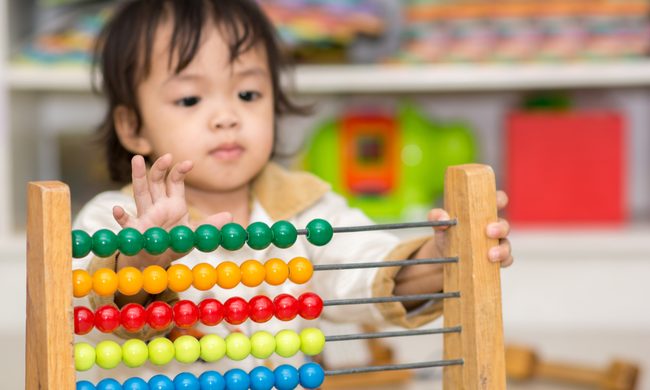
World Kindness Day has been celebrated internationally since 1998. It came out of the World Kindness Movement, and its purpose is to encourage people to be kind to one another as well as themselves and the planet. As parents, we want our children to be kind, and not just on World Kindness Day in November. Kindness, like most behaviors, is learned, but in many ways, kindness is an abstract concept coming in many forms. Being friendly to a stranger is kind. Holding a door open for someone is an act of kindness, as is giving up a seat on the subway to a senior citizen. Making a card for a soldier stationed overseas is an act of kindness, and so is doing a chore for a sibling. While acts of kindness may be easy for adults, to a 5-year-old, kindness is just a word. Since we want our children to understand kindness and be kind people, how do you explain the concept of kindness?
What is kindness for kids?
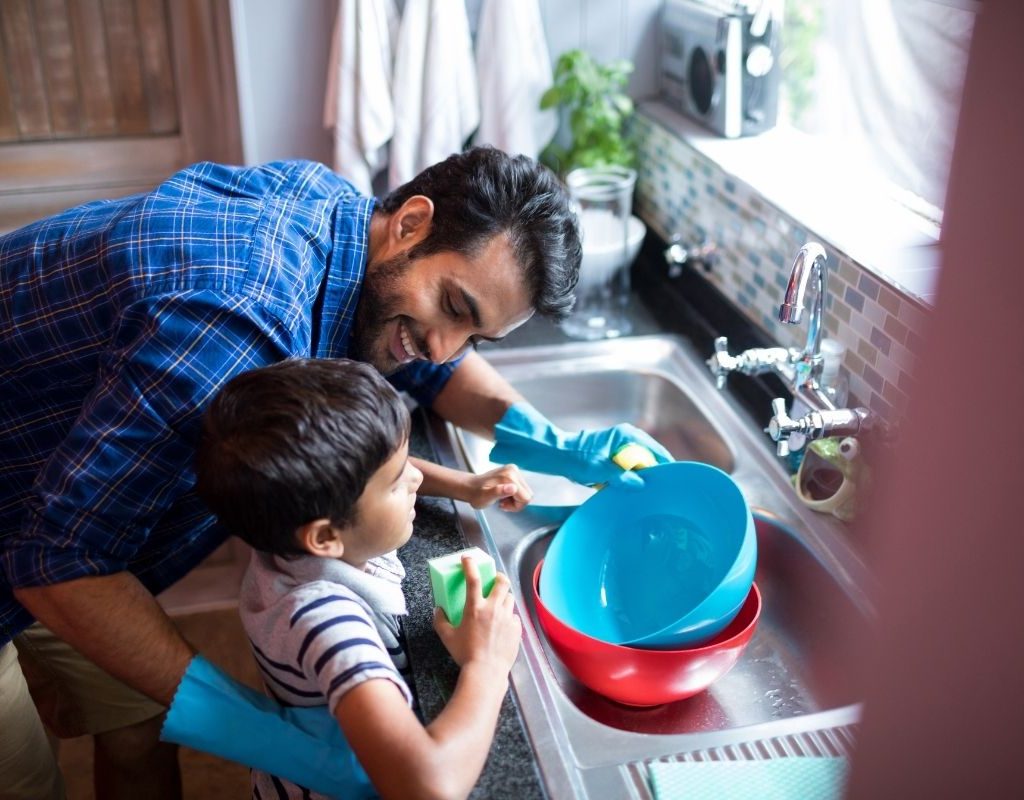
If you look up kindness in the dictionary, the word is defined as being friendly, generous, and considerate to others. While kindness can mean different things to people, a large part of being kind is not expecting anything in return. Explaining kindness to kids, though, can be challenging especially when kindness is sometimes defined as the act of being kind. You can almost hear a class of kindergarteners going “huh?” In other words, kindness is thinking about other people, whether it’s their feelings or wanting to extend a helping hand. Kindness is contagious. Unlike sickness, kindness is a bug you want to catch and pay forward to others.
Teaching kindness
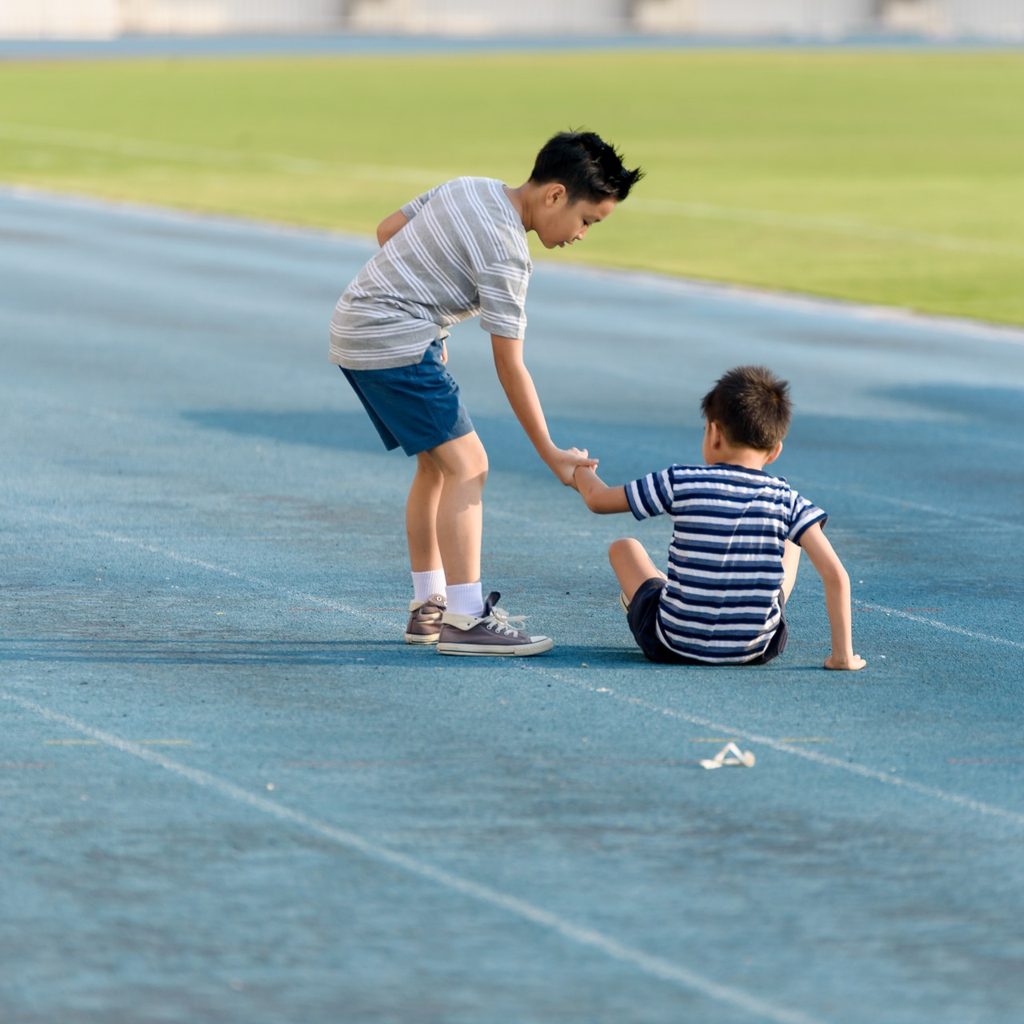
Once kids have a basic understanding of kindness, it’s time to encourage them to be kind. Unlike the Nick Lowe song, it isn’t “Cruel to be Kind.” Being kind has its own rewards. Kind people are happier and have less stress because it feels good to help others. Now, that’s something you want to spread, and kindness, like most things, begins in the home. When it comes to teaching kindness, parents and caregivers are a 5-year-old’s role models.
Kindness activities for kids
Set a kindness example
Kids watch and want to imitate the things parents and caregivers do, which is a perfect way to let your children see kindness in action. Giving a partner a helping hand with a chore or starting dinner are easy examples of acts of kindness around the house for kids to observe. Bringing food to a senior neighbor or putting away their garbage cans shows kids kindness. Volunteering at a local food pantry or soup kitchen introduces kids to the concept of helping those in need.
Read books
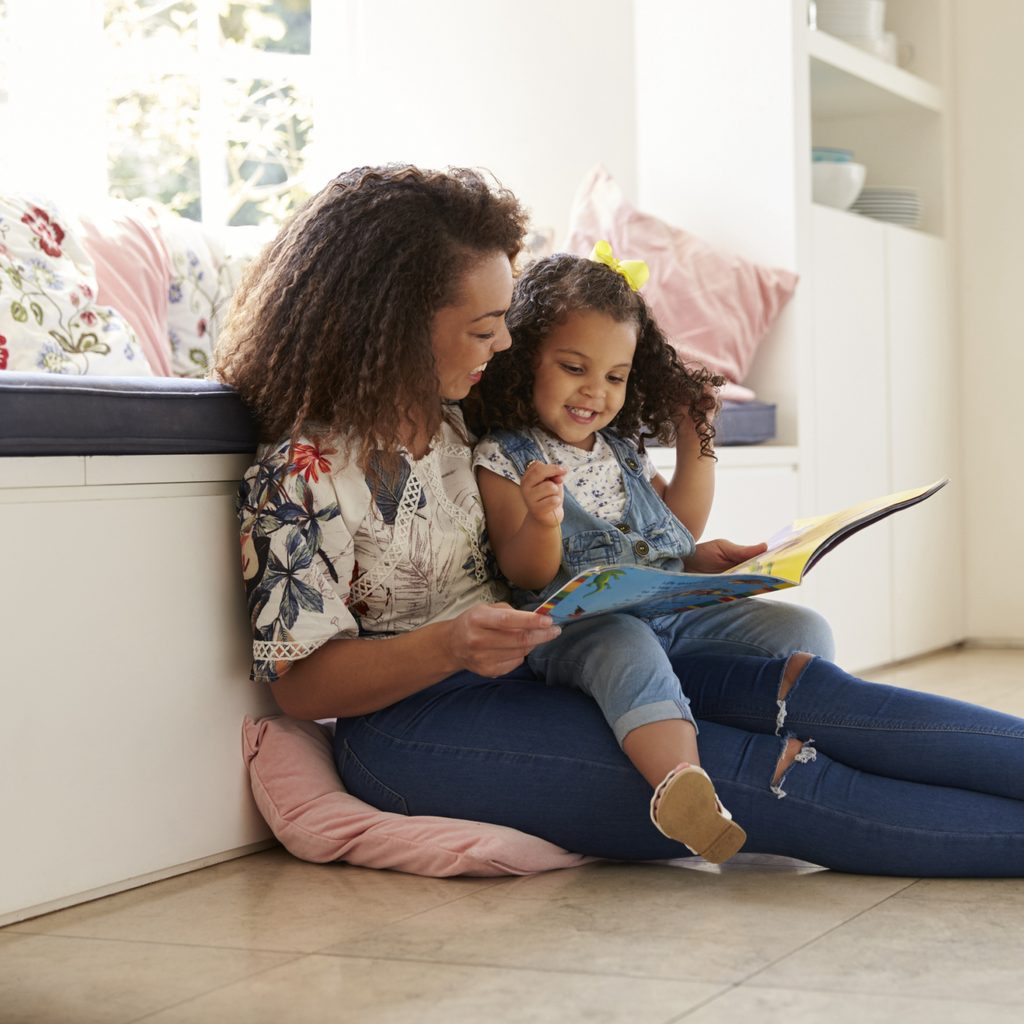
Five-year-olds love to share books with parents, caregivers, and older siblings. Toss in some books that talk about or show acts of kindness as bedtime reads or have a kindness storytime week in honor of World Kindness Day. Here are some titles to put on the kindness list.
- “Have You Filled a Bucket Today: A Guide to Daily Happiness for Kids” by Carol McCloud
- “Room on the Broom” by Julia Donaldson
- “Strictly No Elephants” by Lisa Mantchev
Volunteer as a family
Five is too young for a child to volunteer at most soup kitchens or animal shelters, but sometimes it’s allowed if the entire family volunteers or if a parent helps alongside the child. There are also other ways for kids to volunteer or lend a helping hand in the neighborhood. Here are some volunteering ideas to check out in your community.
- Adopt a grandparent at a local senior center or assisted living facility
- Adopt a veteran at a nearby VA home
- Draw pictures for soldiers
- Put together care packages for members of the military serving overseas from the community
- Clothing drives
- Book drives
- Food drives for area pantries or soup kitchens
- Winter coat and accessories drive
Giving compliments
Complimenting someone, encouraging a friend or family member when they’re feeling down, or making a card for someone who’s sick are all small things kids and adults can do that show kindness toward others.
Smile
Smiles like kindness are contagious. An act of kindness can be as simple as smiling at a stranger or saying good morning to a person you pass on a walk to school.
Should you reward kids for kindness?
Some schools hand out awards to kids spotted being kind, but should kindness be rewarded with something material? Remember, a big part of the concept of kindness is that the action is not reward-based. People who are kind do so because they enjoy making others feel good, not because they want something. Kindness shouldn’t be rewarded with treats or toys. Doing so sends children the wrong message. Remember the old adage “kindness is its own reward.”
Kindness is more than the act of being kind, and before kids can show kindness, it’s important to understand what it is. Reading books with an underlying message of kindness is one way to introduce the definition of kindness to 5-year-olds. It’s helpful to remember kindness begins at home. Parents and caregivers are perfect models for kindness. Instead of praising the specific act, praise the character. “You’re a helpful person” carries more weight than “That was nice.” Avoid giving rewards for kindness. Doing so teaches kids to only be kind to get something in return.