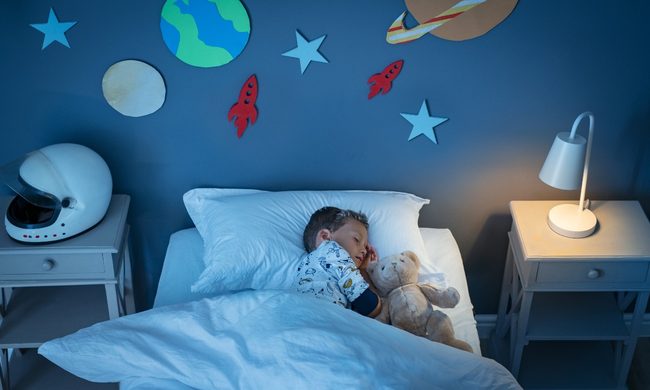
Most parents struggle with how to dress a newborn for bed. You don't want to make them too hot but you also also don't want them to be too cold, making the decision feel like a high-stakes game where safety and precious sleep hang in the balance. Thankfully, dressing a newborn for bed can be pretty simple. And as with all things parenting, if something isn’t working, just tweak it to what's best for you and your baby. Let's check out our guide on how to safely dress that babe for bed.

Safety first
There’s no doubt that dressing your baby for bed safely is the top priority. Many of the safe-sleep recommendations don’t have to do with clothing, but it’s worth mentioning a few highlights.
Step 1: Always place your baby on their back to sleep.
Step 2: Always place baby on a firm, flat surface (a crib mattress) for sleep. Baby swings and adult mattresses are not considered safe.
Step 3: Always place your baby alone in the crib for sleep — no bumpers, no stuffed animals, no pillows, no blankets.
Step 4: Keep clothing minimal. This means no hats, mittens, booties, or socks because they could fall off during sleep and block the baby’s airway. Light and breathable clothing with one safe swaddle or wearable blanket will do.
Step 5: Temperature is key. Overheating is a risk factor for SIDS, so don’t dress your baby in too many layers that could make them too warm for sleep. Use a fan or other temperature-control methods to heat or cool the room to a comfortable level instead of adding additional clothing.
Helping the startle reflex
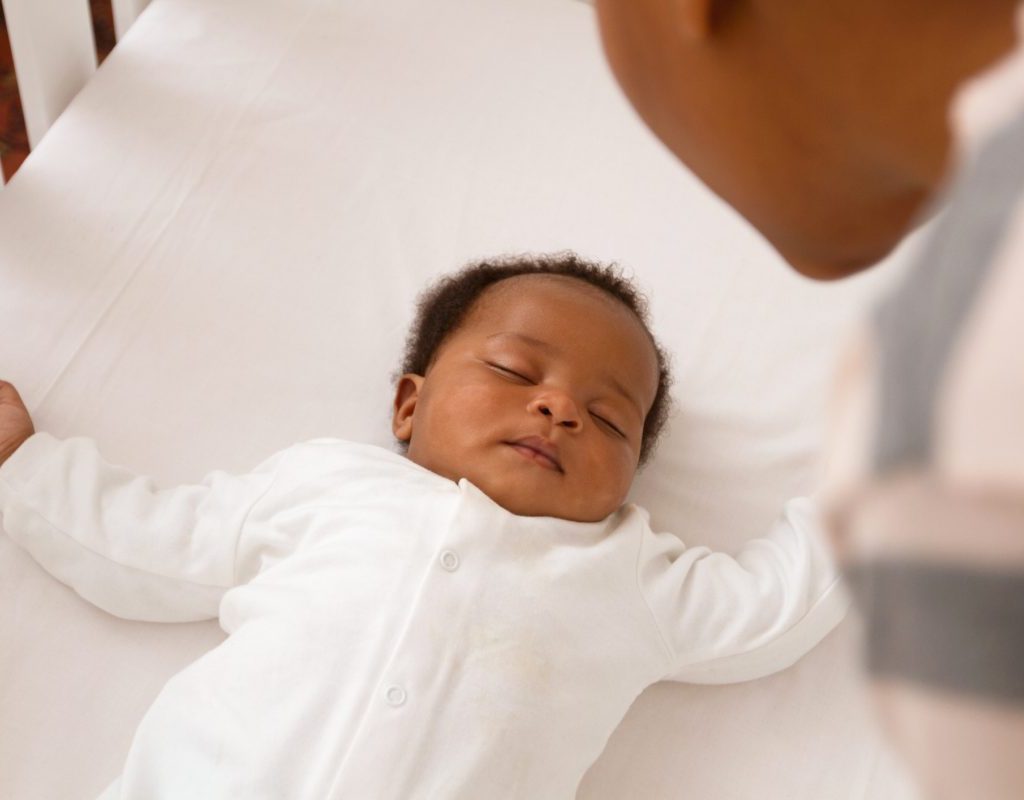
Newborn babies are often swaddled, and this is perfectly safe. It helps babies feel like they did in the womb instead of feeling exposed. While the whole point of a swaddle is to wrap the baby up so they feel secure, you don’t want it overly tight. Think “snug.”
By keeping their arms at their body, it also helps avoid the Moro reflex, which can cause a baby to startle when their arms are outstretched. They usually grow out of this reflex by 3 to 6 months old, so swaddling is recommended until they are able to roll over (a 4- to 6-month skill).
Step 1: Swaddle your baby using a blanket or a swaddler. Lay the baby on the swaddling cloth.
Step 2: Tuck one arm in and then the other, then wrap the rest of the cloth around the whole baby.
Step 3: Secure the cloth in some way (tucking it in to itself or using the provided Velcro or other mechanism of the swaddler).
Step 4: If you need help, refer this step as often as needed. This video provides a tutorial. The material of the blanket should be light, just like any clothing put on the baby for bed.
Keeping comfy
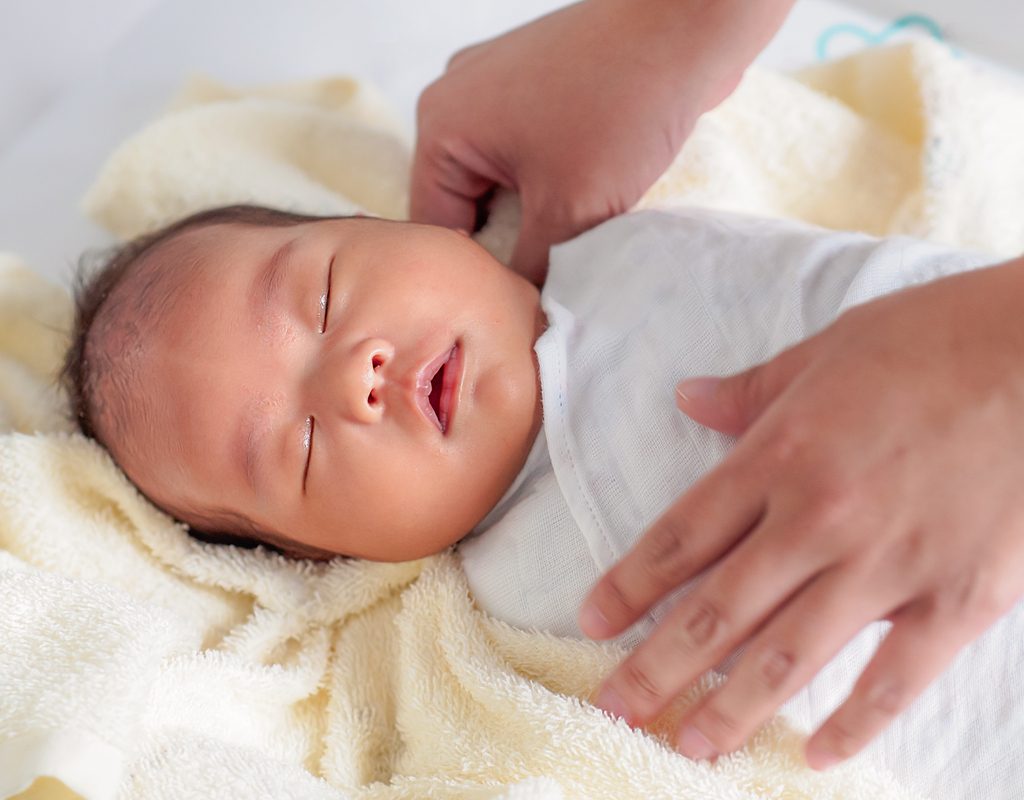
Of course, you also want your baby to feel as comfortable as possible so that they’ll be happy and stay asleep.
Step 1: Always put on a fresh diaper when laying a baby down to sleep. If you are aiming for a longer stretch overnight, try a night diaper with extra absorbency or a diaper in the next size up.
Step 2: Always dress for the weather. Footie pajamas work well for cold weather because they cover the whole body except the hands, neck, and head. For warm weather, a short-sleeve onesie is enough with the swaddle (or even nothing but a diaper under the swaddle).
Step 3: Always keep it simple. All they should need is the swaddle as the blanket over something simple like footie pajamas, a onesie, or a bodysuit.
Step 4: Always check their clothing. All newborn-baby sleep clothing should not be too tight and not too loose. A well-fitting onesie doesn’t tug down on their shoulders or up on their diaper area but doesn’t sag off and slip over their shoulders.
Step 5: Don't forget the "don'ts." Don’t put leggings or other tight pants on for overnight comfort. Don’t add zippered hoodies or newborn hats. Don't put on anything else that could slip over your baby’s face.
Hats aren't necessary
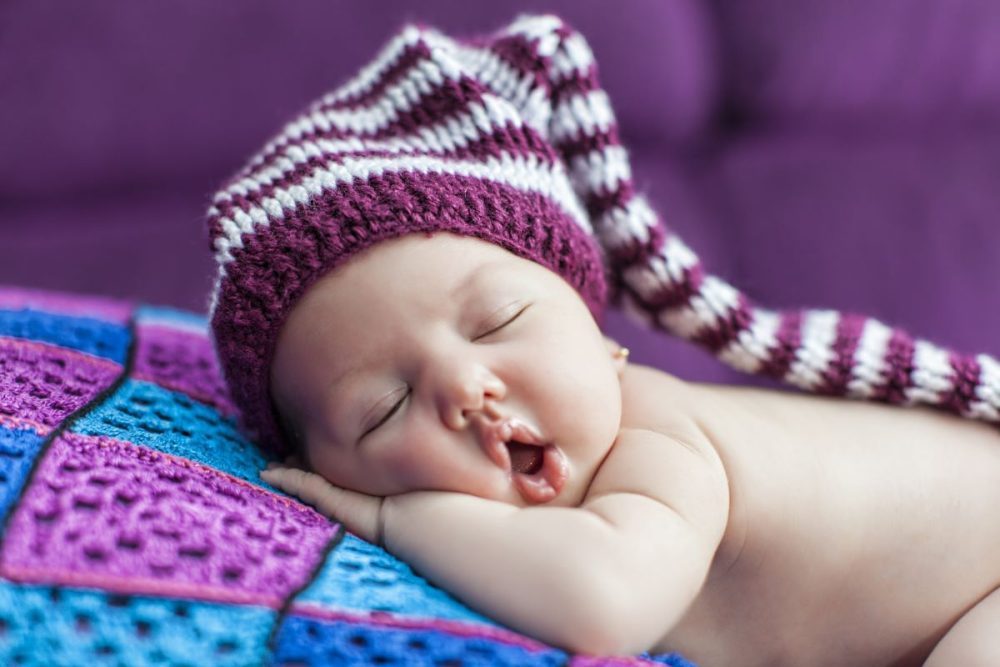
While your newborn may look adorable in a jaunty little cap, or you may feel like they need something to keep their head warm while they sleep, hats shouldn't be placed on newborns to sleep. In addition to the risk of suffocation the hat may pose if it slides down over your newborn's face, babies also regulate their body temperature through their heads.
Overheating can put your newborn at a greater risk for sudden infant death syndrome. You may be worried about your newborn not being warm enough but it's best to follow the guidelines we have listed above to ensure they are safe and comfortable while they sleep.
As with everything with newborns, keep reevaluating as they grow. It’ll be a matter of weeks until they need a bigger size swaddle or grow too big for one altogether. Or you may find that a certain swaddle works better to get them in and out of the crib for overnight diaper changes. Keep experimenting and remember better sleep for both of you is around the corner.