Do you have ear piercings? Many people do. Most get their ears pierced for the first time as teens. For some, ear piercings are typically dictated by family and cultural traditions. Some parents believe strongly in getting their child’s ears pierced as infants or toddlers.
While others wouldn’t consider it until their children are older. For parents who don’t have ear piercings, the decision may not even come up until your child asks. So, if you have questions about when, where, and how to go about getting your child’s ears pierced, we’ve got your go-to guide.
Ear piercings for kids
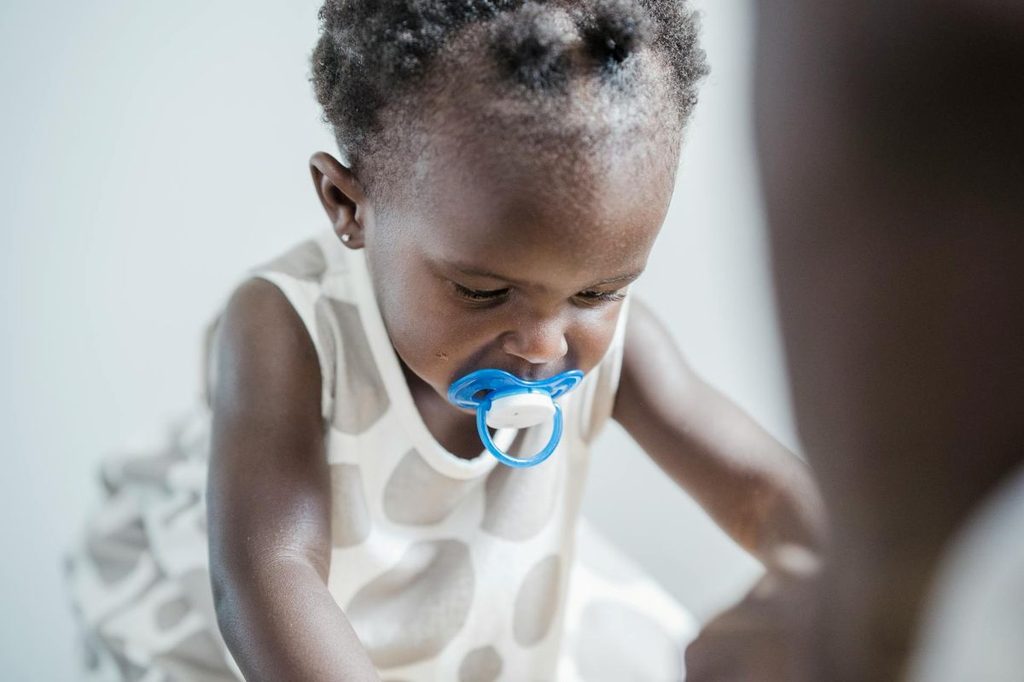
If you didn’t come from a family where ear piercings were done very young, you probably waited until you were older. Ear piercings are often a rite of passage for some tweens and teens. The days of home piercings with a needle and sewing thread are gone. Remember when Stephanie let Kimmy pierce her ears on Full House? It ended with an infection. If your kiddo is ready for ear piercings and you’re on board with it, here’s what you need to know.
When should kids get their ears pierced?
The American Academy of Pediatrics suggests parents wait on ear piercings until kids are old enough to take care of the piercings on their own. Now, if you have kids who have gotten their ears pierced, you know you’re the one helping them with the process until they get the hang of it, and that includes teens. That being said, there are cultures where children’s ears are pierced much younger. This is why many pediatricians suggest waiting at least two months to pierce a baby’s ears. Piercing a newborn’s ears can lead to infection, which sometimes ends up with hospitalization.
If your child plays sports, you may want to consider the timing of the ear piercings. Those first earrings need to stay in for four to six weeks. Some sports, like soccer, don’t allow earrings in during games. Taping the ears is allowed by some refs, but not all.
Where to go to get ear piercings for kids
There are some pediatricians who do ear piercings. So, start with your child’s doctor first. If the answer is no, then the next safest option is a needle piercing procedure. Many pediatricians recommend this way over ear piercing guns because of the risk of infection. Kiosks in the middle of the mall usually use ear piercing guns. The main issue here is that ear piercing guns are reused and the person doing the procedure may or may not be trained properly when it comes to bloodborne pathogens and how diseases spread.
Most tattoo places also do body piercings and use the needle technique. Before choosing one, though, make sure it’s a credible shop and utilizes up-to-date sterilization techniques. It’s always a good idea to ask for recommendations from friends and family when you’re looking for a place to get your child’s ears pierced.
Choose the right earring material
There are so many stylish earrings, but the material of the earring really does matter. Sterling silver and earrings made from 14, 18 or 24-karat gold are the best picks since they are less likely to cause infection. Don’t use nickel earrings when getting your child’s ears pierced. Nickel has a high risk of allergic reaction.
Leave the earrings in for four to six weeks
The earrings used for the piercing need to stay in for just about six weeks. Those screw back earrings are a better choice since they’re less likely to fall out and aren’t a choking hazard. When it’s time to change them, you will find them harder to get off, though.
Take care to reduce the risk of infection
Infections are the main reason kids need to be mature enough to handle ear piercings. Even teens will need to be reminded to clean them during the healing process. So, keep these tips in mind once the ears are pierced.
- Always difficult with kids, but don’t touch the newly pierced ears.
- Wash hands with soap and water before and after touching the ear piercings.
- Clean the front and back of the lobe every day with a mild soap or saline solution. Avoid rubbing alcohol or peroxide.
- Follow care instructions from ear piercer. Some will suggest turning the earrings gently once a day.
- Take care when brushing hair or changing clothes to avoid tears.
- To avoid unnecessary infection risk, kids should stay out of swimming pools, hot tubs, lakes, and the ocean until ear piercings are healed.
Signs of infection
Sometimes you can do everything right and an ear piercing still gets infected. Signs your child’s ear piercings is infected include redness, tenderness, pain, warm to the touch, fever, and pussy discharge. If you suspect an ear piercing in infected, head to the doctor.
Ear piercings are stylish, exciting, and cool. Some kids want them, and others aren’t interested. If your child has been begging you for ear piercings, there are things you need to consider, like age and maturity and timing, if your child plays sports. Our go-to ear piercings guide can answer your questions, whether you want to pierce a baby, toddler, or even your teen’s ears.