
Baby foods found in the grocery stores have become somewhat of a cause for disagreement in the industry over the past few years. With the FDA coming down harder on baby food companies, and recent media outcry over ingredients and preservatives found within those processed foods, an increased number of parents are settling on making their own infant foods at home and saving a bundle by doing it.
If you’re one of those concerned parents, or perhaps just a parent who loves to cook and prepare foods for every person in the family, then we have a fantastic list of 4 simple-to-make and tasty purees your little one will love. From pumpkin baby food to vegetable purees, this list has something for everyone’s little one.
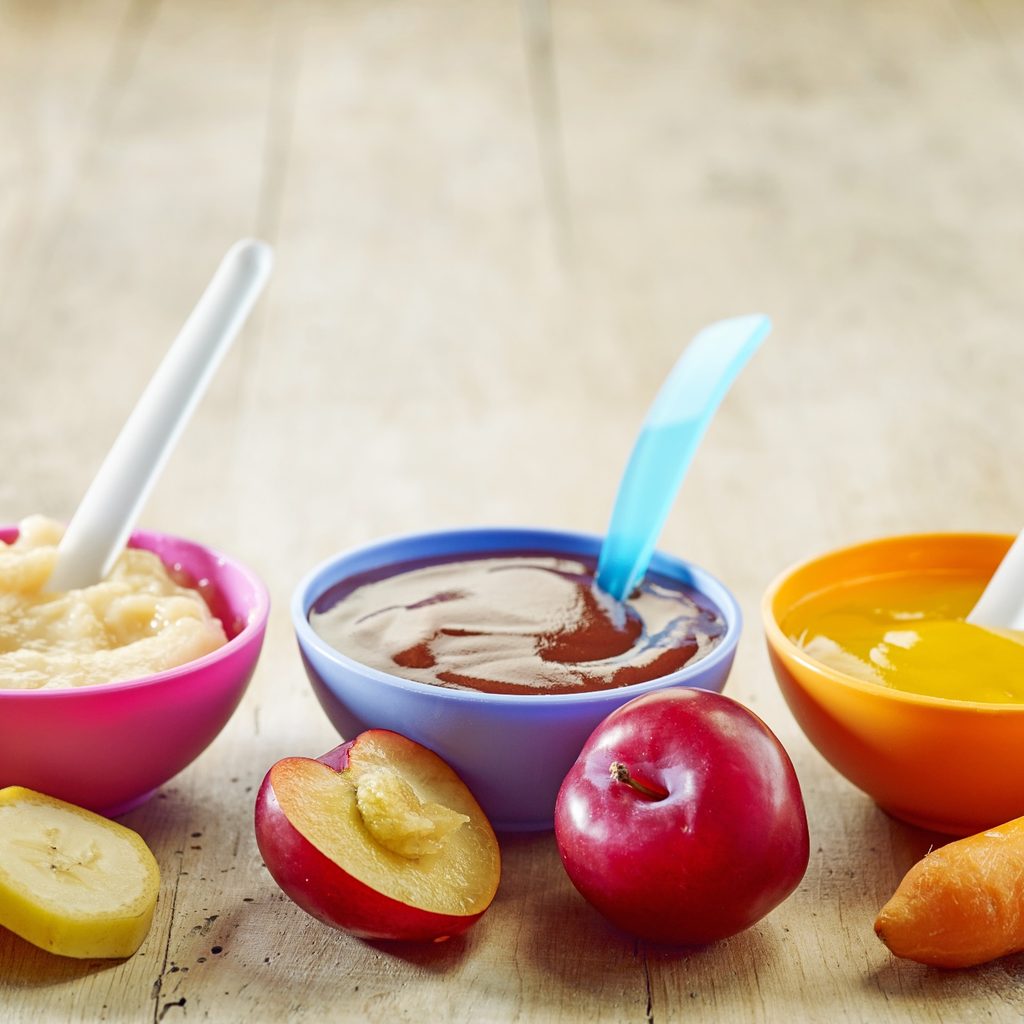
Kale & banana puree
This creamy and sweet dish is perfect for infants 6 months and older if the kale is steamed, and safe to be consumed raw — after washing first of course — for those infants 9 months and older. Due to baby’s bellies being super sensitive before the 9–10-month mark, it’s recommended that kale be steamed before serving. By doing so, you’re manually breaking down the fibers inside the stems and leaves of the kale, making it easier for your baby’s delicate stomach to digest.
In either case of raw versus steamed, the kale in this recipe is blended with dreamy Greek yogurt, and whipped banana, turning it into a soft and rich puree that your baby is sure to love. The flavor profile from the banana easily mutes any subtle ones from the kale, masking the dreaded “greens taste” that could off-put children’s palates. Additionally, the sweetness from the banana makes it so no added sugars or sweeteners are needed to complete the dish to amplify the flavors or make it more palatable.
Golden beet puree with tarragon & yogurt
While you may be thinking, “Tarragon, beets, and yogurt? My baby won’t eat that!”, that’s simply often not the case. Many babies find pleasure in eating blended foods many parents wouldn’t think possible and do so with a smile! It’s thought in certain groups and situations, that babies are done a great disservice by not being exposed to or offered foods with flavors and spices at an early age. The thought surrounding this theory is that if babies are not offered flavorful foods, or different varieties of fruits, veggies, meats, and dairy products, pickiness can become more predominant, as well as food-borne allergies.
When preparing this recipe for your infant, parents are encouraged to use spices and flavors that are pleasing to the palate, making baby food taste good just simply is not a crime. Earthy, golden beets are peeled and boiled until tender. They’re then blended with thick and creamy Greek yogurt, mellowing out the earthy flavors of the beets, and a dash of fresh – or dried – tarragon to give the meal a more seasoned flavor profile with hints of fennel or anise.
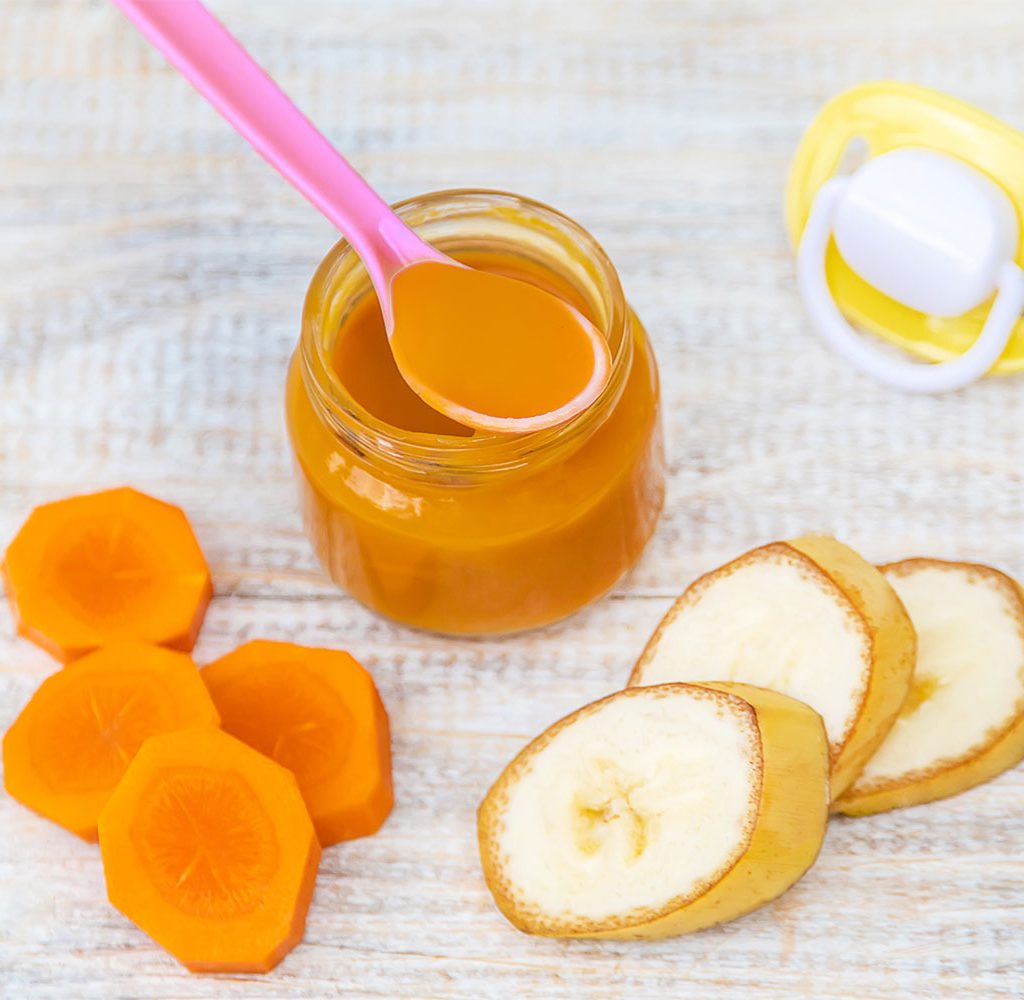
Pumpkin puree
Could there be a more quintessential fall favorite when it comes to baby food recipes? We didn’t think so either, which is why we included this fan favorite for all the new moms and dads out there whipping up new flavors and dishes for their growing babies. Sweet and tart apples are combined with the deep umami flavors of roasted pumpkin, balancing this ever-loved autumn recipe’s overall taste. This pumpkin puree is also “naturally gluten-free, dairy-free, and vegan with zero preservatives, food coloring or additives” according to the recipe’s author, Laura from joyfoodsunshine.com.
Due to its “squashy” flavor and texture, pumpkin usually isn’t as successful being served to babies on its own. In fact, it’s usually always blended with another fruit or veggie to help entice babies to eat pumpkin, minus the weird tasting texture. In this recipe, pumpkin is mixed with a sweet variety of apples – such as Gala, Honeycrisp, or Pink Lady — and served as a combination into one dish. Its ultra-velvety texture is so palate-pleasing for little ones.
Blueberry, vanilla & white bean puree
This also may seem like a strange combination of ingredients, however, we’re hopeful that you’ll “trust the process” and not have any ill-tasting assumptions. White beans, though extremely bland and devoid of flavor on their own, make a fantastic addition to this recipe for their textural components.
Blueberries on their own do not blend well, and often create more of a pulp-like juice than an actual puree of fruit. That is why bland, flavorless, yet iron-rich white beans are necessary, in this instance. Babies desperately need iron in infancy, and legumes are often rich with it. This makes them ideal for any homemade baby foods. Additionally, their stark color means the color of the finished dish won’t become muddled once blended. The addition of vanilla ensures any bean-like flavors also never make it to the front of your baby’s palate.
We hope this list of easy-to-make and homemade baby food recipes helps to inspire you to mix up your baby’s regular meals, while also opening your child up to new food experiences. Not only are these dishes delicious and palate-pleasing, but they are also healthy, extremely nutritious, and carefully thought out. Making such foods at home for babies also no longer requires professional equipment or intensely arduous efforts. Parents are encouraged now more than ever to start creating new variations of baby food right from the comfort of their own homes, removing unnecessary preservatives from their little one’s diets.