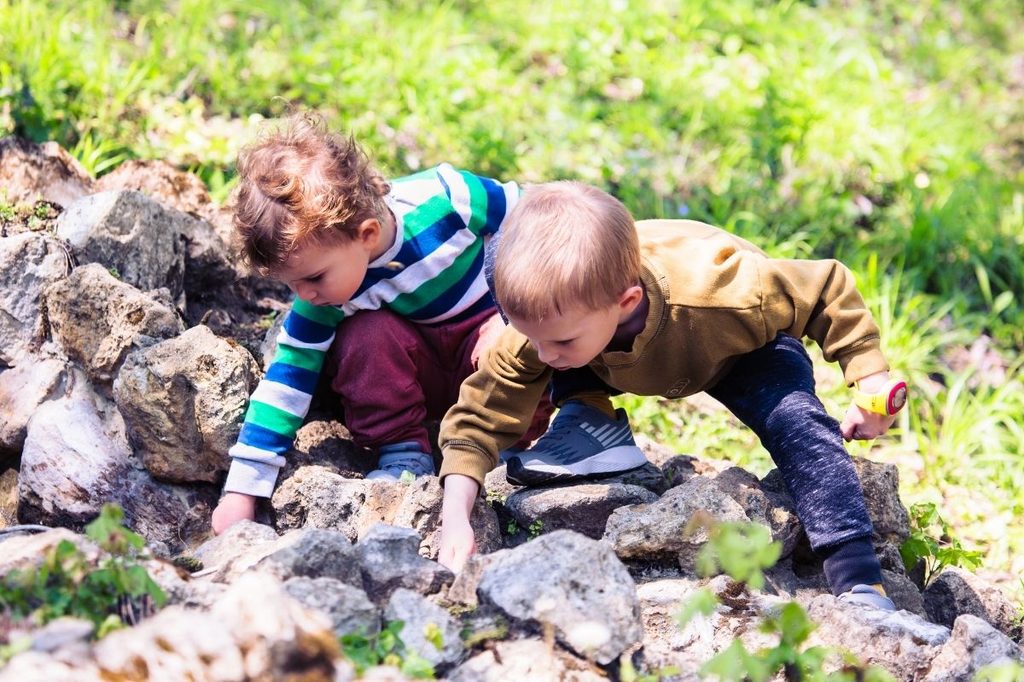
We all love to kick the kids outside for some fresh air and time away from screens. But instead of worrying about what video the kids are watching, parents need to check for things like bugs and plants that fight back. If your child comes back inside from playing and you later notice your kiddos scratching, they may have found a patch of poison ivy while exploring the great outdoors. What does poison ivy look like, and how can you keep the kids away?
Since there is no way to prevent your children from getting the rash once they touch the plant, all parents need to know what poison ivy looks like. Here’s how to identify the plant to steer clear of it and what the rash looks like if those little hands accidentally get too close.
What is poison ivy?
The poison ivy plant itself isn’t the problem. It’s the urushiol oil found on the plant that’s the trouble. The oil covers the roots, stems, and leaves, so there really isn’t a place you can touch and get away without consequences. Once you come in contact with the oil, it causes a reaction with your immune system to release chemicals on that part of your skin. Hello, poison ivy rash.
What the plant looks like
Poison ivy comes in a few fun varieties across the U.S., so you should have a little basic knowledge about the plant.
Poison ivy: Grows as a climbing or ground vine with leaves in groups of threes. It grows as a shrub in the West. Look for thornless stems with smooth leaves.
Poison sumac: Grows as a small tree or a shrub with leaves grouped in pairs. Sumac is found in wet areas, mostly in the Southeast. Look for smooth leaves that could appear reddish-orange in the autumn.
Poison oak: Grows as a climbing or ground vine with the same group of three leaves as poison ivy, and it can also grow as a shrub. It’s found mainly in the Southeast but also on the West Coast. Look for rounded leaves with a fuzzy underside.
Where you’ll find it
Poison ivy stands guard in semi-shady spots in wooded areas. And, sorry, you can’t completely escape it, as it grows all over the country. The only safe places are Hawaii and Alaska and a few scattering spots in the Western part of the country.
Poison ivy symptoms
Symptoms could pop up as quickly as a few hours or take a few days. Give your kiddo a once over and look at any exposed skin when they are done braving the outdoors.
What to look for
- Swollen, red skin
- Constant itching
- Little bumps on the exposed skin
- Bumps that turn into blisters
- Blisters that ooze and then crust over
- Pain and discomfort
There are a few things to note about the symptoms. If you had the chicken pox, you know how horrible an itchy rash gets. Just like chicken pox, scratching will make it worse. But know when the blisters pop, the fluid won’t create more blisters. The rash and blisters are not contagious; remember that. It’s the oil from the plant that spreads it around. As long as the area has been washed, touching the rash won’t pass it from child to child.
How to avoid poison ivy

The best course of action is through prevention. It won’t be foolproof, but do your best to keep poison ivy off your kids and out of the house. Before you release your kids out into the wild, show everyone in the house what poison ivy looks like. Use those tablets for good and go over pictures of the plants.
We aren’t saying to do these things every time your kid goes outside. But if you are unfamiliar with the area or are someplace you’ve never been before and aren’t sure if there is poison ivy, it’s easier to take precautions than deal with a rashy, itchy household later.
What to do
- If your pet has touched poison ivy, bathe them immediately.
- When weather-appropriate, have your children wear long sleeves and long pants outside.
- Wash all items (clothes, shoes).
- Your child should take a bath or shower the moment they come inside.
How to treat poison ivy
If your child gets poison ivy, don’t panic too much. Kids are always picking up something and bringing it home. This is just one more thing to learn to take care of.
Ease the symptoms with these tips
- Use wet compresses as much as possible on the rash and blisters.
- As when you had chickenpox, dunk your kid in an oatmeal bath.
- Apply corticosteroid cream or calamine lotion as often as necessary.
- If needed, talk to your doctor about pain medications.
The main goal is to make your child as comfortable as possible. Once the itching gets out of control, the pain will make the child miserable, and no one will get any sleep.
No one sets out to play in poison ivy, but kids love to check out every bug and plant they see when playing. Before you let your kid go crazy in a park or even walk around the neighborhood in new spots, go over poison ivy protocol. Get acquainted with what poison ivy looks like to keep everyone in the family safe from suffering through an itchy time.