What color eyes the baby will have is always an exciting wonder for the parents. Will they get mom’s blues or dad’s greens? Genetics can sometimes be funny, like the theory all people with blue eyes descend from one person. While that’s a genetic journey for a different day, another theory is all babies are born with blue eyes, which change color as they get older. Are all babies born with blue eyes? Every single one? Here’s the answer to this color-coded question.
The baby eye color question
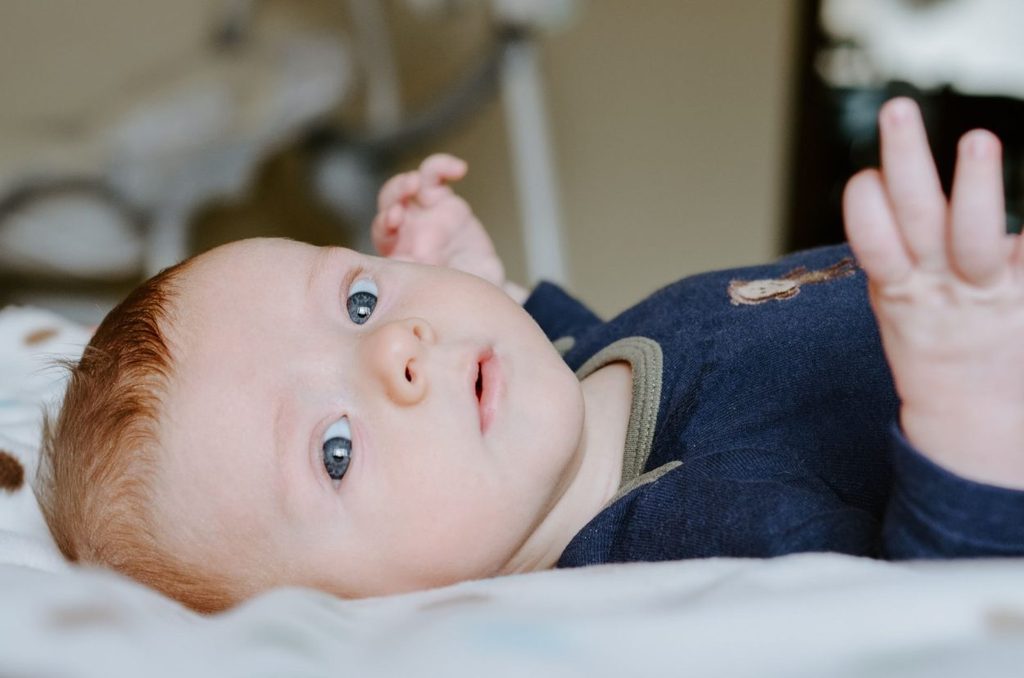
So, are all babies born with blue eyes? We hate to break it to you. No, they are not. It might seem like it, but not every child comes out with blue eyes that change to green or brown. The transparent truth is most babies are born with brown eyes. Stanford did a study in 2016 showing only one in five babies had blue eyes at birth, with two-thirds having brown eyes. Sorry, Team Blue Eyes, the battle has been lost.
But if you break it down a bit by race, you’ll find the blue-eyed answer wins a little there. Among Caucasians, blue dominated the baby eye color game. Asian and Hispanic descent saw brown-eyed babes at birth the most.
A baby’s eye color could change
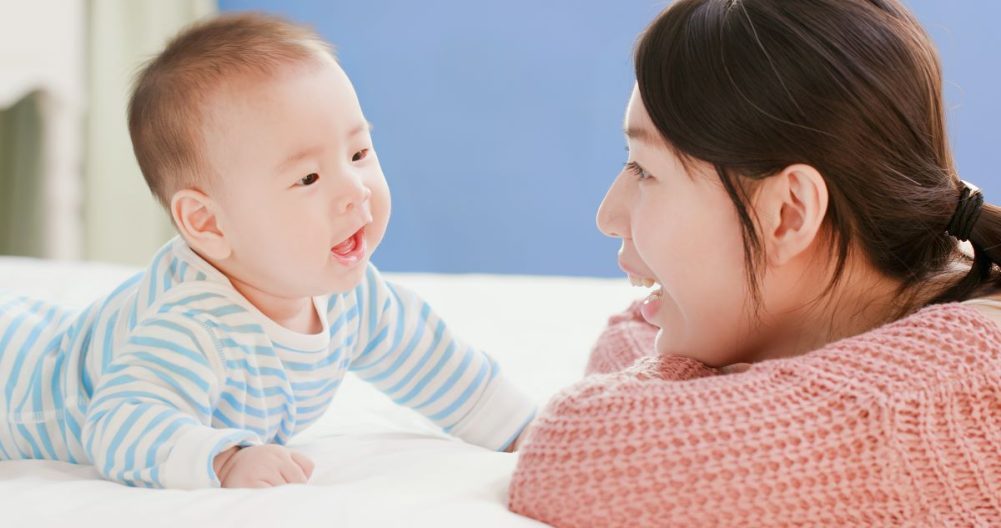
While parents can’t wait to see those big browns or baby blues, a baby’s eye color can change over time. Having blue eyes means a baby is born with less melanin in the iris. The melanin is what gives the iris its color. Less of it means blue eyes, more of it means green or hazel eyes, and a lot of it means brown eyes.
Melanin is the protein secreted by melanocytes that reacts to light. It is what determines our hair, eyes, and skin color. It’s why your skin and hair color change the longer you’ve been in the sun or fades the more you stay out of the sun.
Your little one has been safely tucked in your stomach, where hopefully no light has been going in their eyeballs, so their melanin level is low. Once a baby is born, the exposure to light increases the amount of melanin absorbed by the iris, causing the eyes to change. This is also why a baby’s hair color changes over time.
While you can’t completely determine what color eyes your baby will have at birth, you could sort of control what color they end up being by keeping light out of their eyes. While every person needs to see the sunlight every day, limiting a baby’s exposure could keep the color of their hair and eyes close to the originals at birth.
Eye color genetics
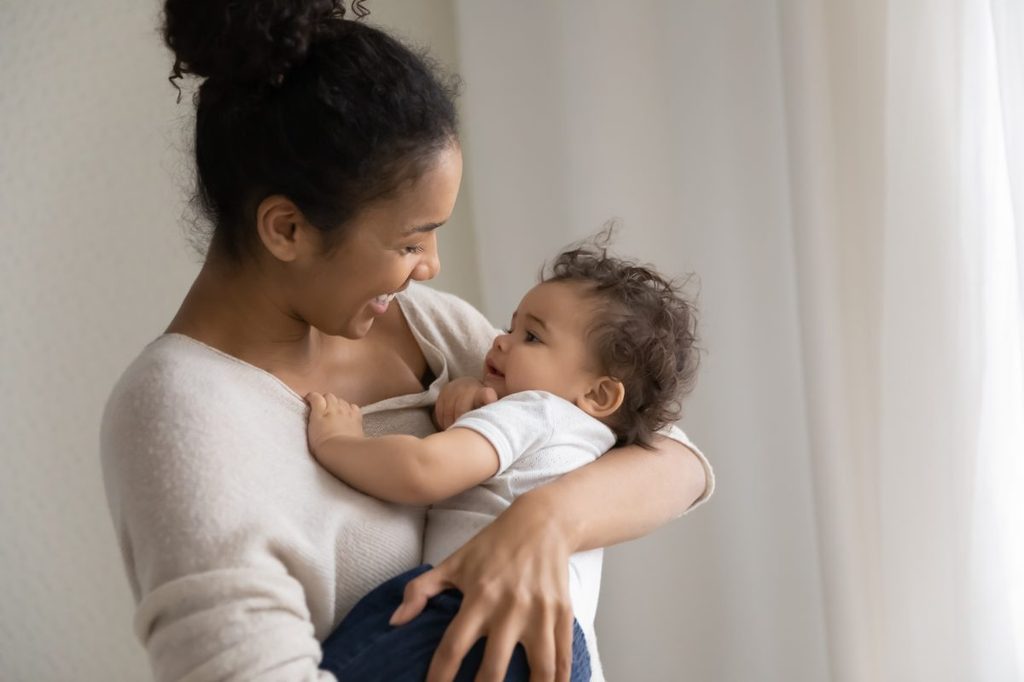
Of course, genetics plays a part in what color a child’s eyes are at birth, but it isn’t always the final say. Both parents having brown eyes yield a brown-eyed baby most of the time, just like two blue-eyed parents will result in a blue-eyed babe most of the time.
But if grandparents have the opposite eye color, there is always a chance the genetics will get crossed and mixed up, and two parents with brown eyes will see a child with blue eyes. Just ask James Earl Jones, who famously had blue eyes due to inherited genes known to skip generations.
There are other anomalies to factor in, such as a person having a condition known as heterochromia iridis. This is when a person has one color in one iris and another in the iris of the other eye. Actresses Mila Kunis, Kate Bosworth, and Jane Seymour were all born with this condition.
When a baby keeps their eye color
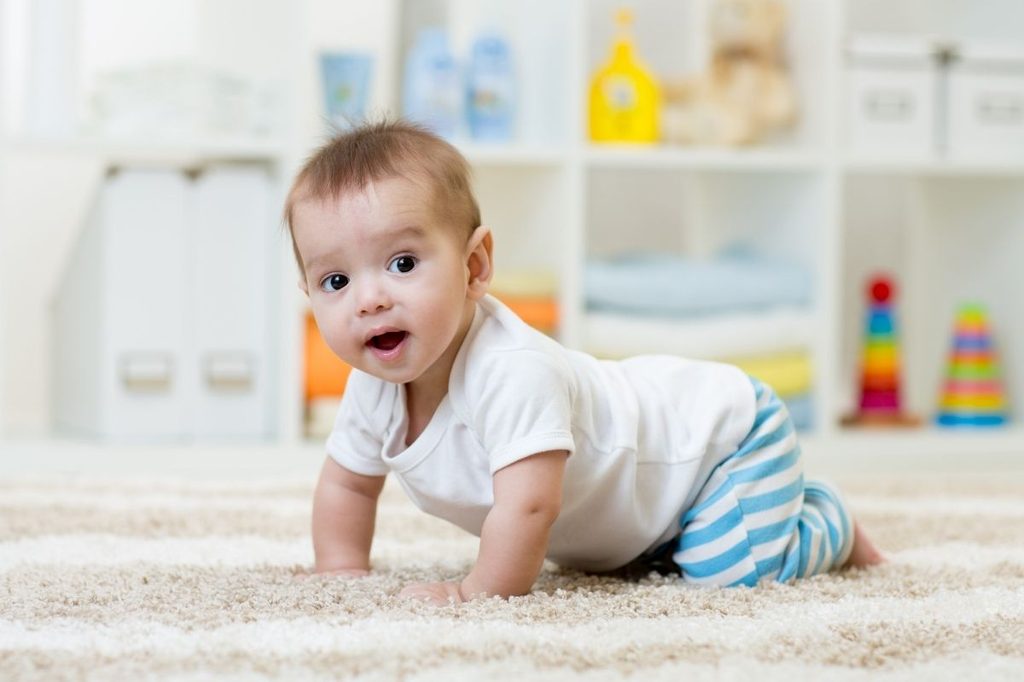
A baby’s eyes could change until six months of age, but could transition in shade until they are a year old. If a baby is born with brown eyes, though, that is what they will stay as, since brown eyes have the most melanin in the iris. Other than trying to keep the light out of their eyes for as long as possible, you have to play the waiting game to see the final eye color result.
If you want to try to cheat the system, you could look at your child’s eyes from another angle. If your baby has blue eyes, but from the side you notice specks of gold, there is a chance that with enough exposure to light they will change to green, hazel, or possibly brown.
So, no, not all babies are born with blue eyes, and brown takes the cake for the most popular baby eye color. But blue eyes are newer than brown eyes, and blue-eyed people can be traced back to a genetic mutation only 6,000 to 10,000 years ago. You could do a whole genetics wheel to predict the color of the eyes of your little one, but know light and sun exposure could throw it all off course. Blue eyes or brown eyes or hazel or green, all eye colors are beautiful. No matter what eye color they are born with or have by the time they’re a year old, every baby ends up with the gorgeous eye color they are meant to have.