Is the COVID-19 vaccine safe to take during pregnancy? How much do we know about the long-term effects on both mother and child? As the CDC and the pharmaceutical companies of Astra Zeneca, Pfizer, Moderna, and Johnson and Johnson give out more information, some people have more questions, especially since the FDA has been giving emergency approval for the vaccines for different age groups and for pregnant and lactating women.
While billions of doses are already delivered across the world, the search for information about which COVID-19 vaccine is the most effective or the safest continues. And although different vaccines are accessible in different countries, one question remains a common topic. Are the approved COVID-19 vaccines safe for pregnant or lactating women?
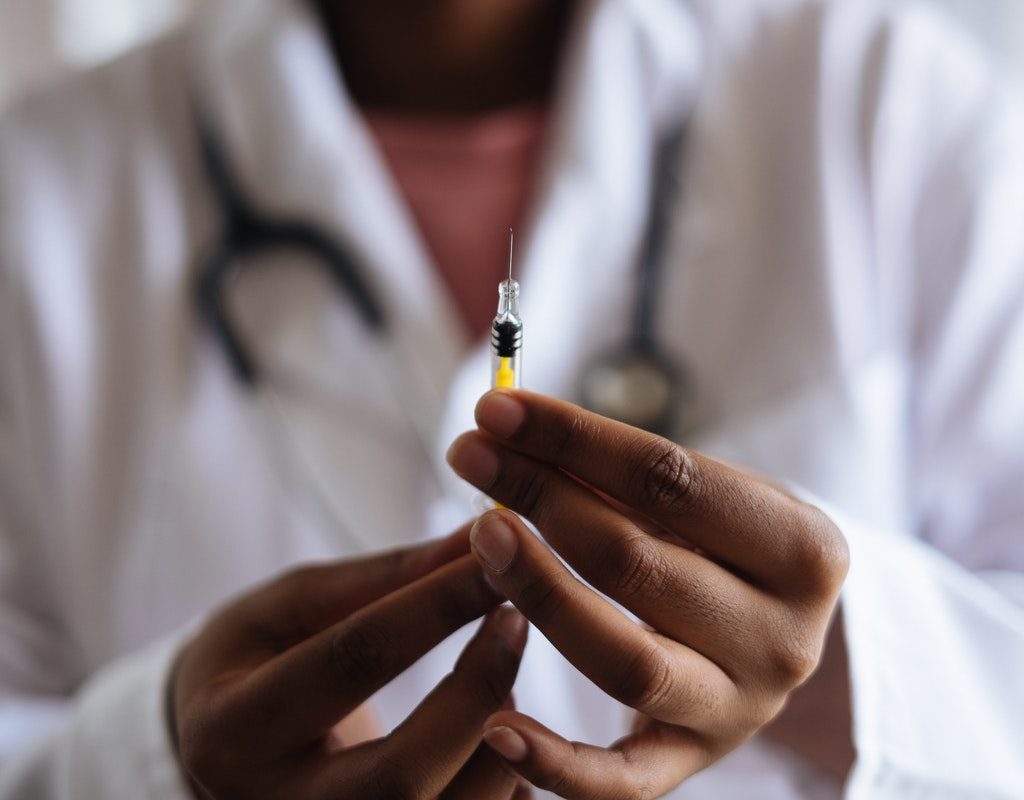
Which COVID vaccines are safe during pregnancy?
Though the risk of severe sickness is generally low for women of child-bearing age, the CDC notes that pregnant women who contract COVID-19 run a higher risk of having to deal with the more severe symptoms as compared to their peers who are not pregnant. The severe forms of this virus usually result in hospitalization, a stay in the intensive care unit, or having to be placed on a ventilator. Furthermore, pregnant women who already had COVID-19 bear an increased risk of preterm birth, in which the baby arrives earlier than 37 weeks or other concerning pregnancy outcomes.
Consequently, ever since research into mRNA vaccines began, pharmaceutical companies have revealed more evidence about the effectiveness and safety of the COVID-19 vaccines during pregnancy. In fact, the CDC officially confirmed and recommends that anyone who is trying to conceive, is already pregnant, or is breastfeeding get vaccinated. This recommendation is based on clinical trials where the participants, women who were pregnant at the time, did not experience any adverse effects, nor did they find any negative outcomes for the fetus. The evidence behind the benefits of the COVID-19 vaccines appears to outweigh the known risks of getting vaccinated during pregnancy.
These clinical trials also revealed that the pregnant participants developed antibodies that would fight off the virus in just the same way as those individuals who were not pregnant and had been vaccinated. Furthermore, researchers also found antibodies in the blood of the umbilical cord, suggesting that these same antibodies were also passed on to the baby and would provide protection against the virus.
Is it safe to take AstraZeneca COVID-19 vaccine during breastfeeding?
Due to the initial prioritization of certain populations to receive the COVID-19 vaccine, such as nursing home residents and healthcare workers, followed by educators, and so on, breastfeeding women were not initially part of any COVID-19 vaccine trials. This fact limited the clinical safety data. However, with more pregnant or breastfeeding women taking a leap of faith and seeking out advice from their obstetricians, the CDC established the V-Safe where pregnant and lactating women could register for health check-ins after getting vaccinated. The data provided by this tool indicated low or no risk to the women or their children when they received the Astra Zeneca vaccine at some point during their period of lactation.
Moreover, AstraZeneca has been open about how its vaccine does not contain a live virus vaccine, and therefore it is “clinically and biologically improbable” to create a risk to any breastfeeding child. Plus, the World Health Organization (WHO) recommends the usage of AstraZeneca COVID-19 vaccines for breastfeeding women just like with other adults. The WHO does not advocate discontinuing breastfeeding due to vaccination. This is because the passing of antibodies through the breast milk to the baby might produce an immune response against the virus. Additionally, the baby will receive a boost to his or her immune system through the colostrum received from the mother.
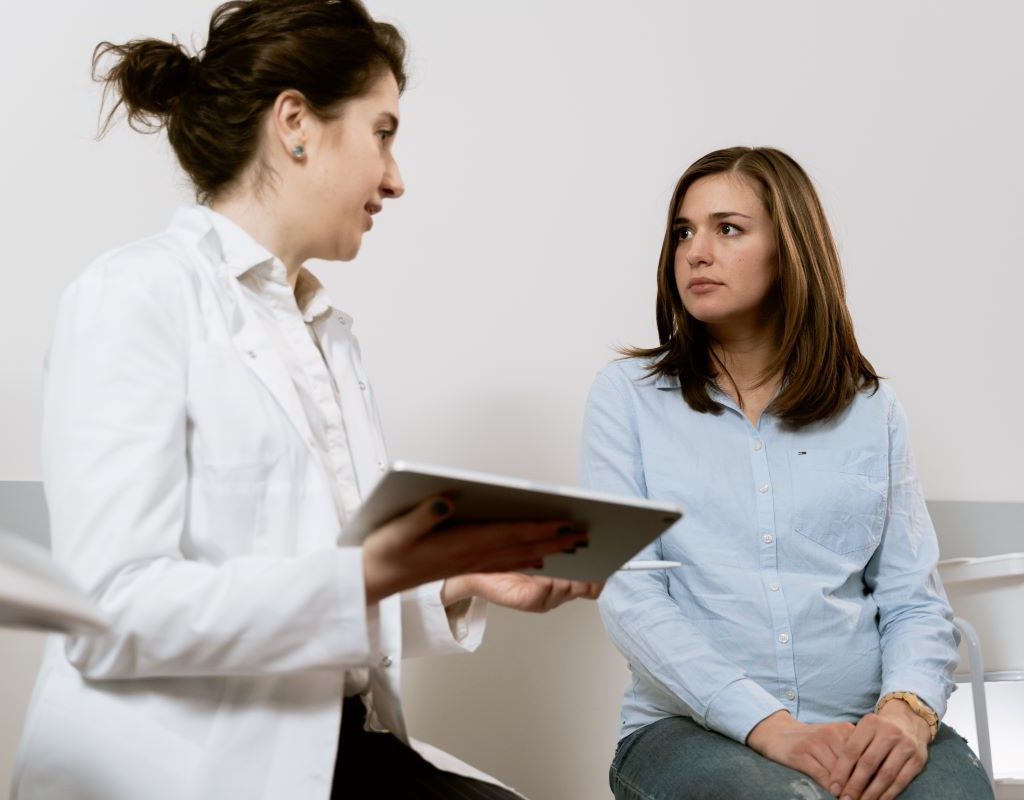
The importance of sound medical advice
As there aren’t any theoretical safety concerns related to the COVID-19 vaccines, no matter if a woman is pregnant or breastfeeding, vaccination has been recommended by both the CDC and WHO. With research showing that the passage of antibodies from the mother to the child is certain, there appears to be a strong possibility that not only is the mother protected from developing a severe case of COVID but also the baby. Still, the best and most accurate advice comes from obstetricians who have stayed abreast of the latest details. Turn to your doctor to help you determine if getting the COVID vaccine during pregnancy or lactation would be safe and prudent.