The pandemic has impacted all aspects of life as we know it. In many situations, information about the virus has brought about more questions than definitive answers. One area of concern for many individuals is pregnancy, especially the virus’s effect on both mom and baby. Thus, if you’re wondering what happens if you catch COVID-19 during the first trimester, you’re in good company. Fortunately, early studies have shown that there’s little reason to worry about short- or long-term effects if you find yourself in this situation. Your best course of action is to contact your obstetrician right away and to work closely with his or her recommendations. Read on to find out more about this dilemma.
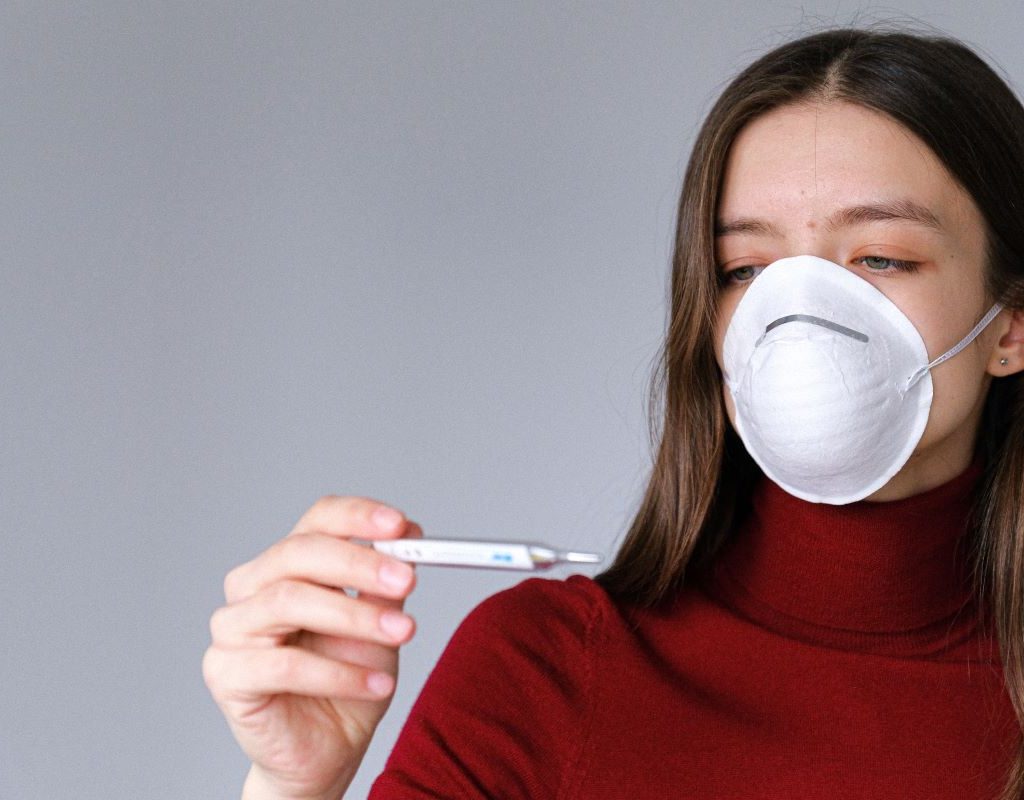
Implications of COVID-19 and pregnancy in the first trimester
According to Dr. Liji Thomas, MD , a study was conducted in Denmark that involved a small group of 1019 women in early pregnancy. The study, which took place during the peak of the pandemic in Denmark, focused on the possible effects of the virus on the baby. The initial findings showed little to no adverse effects on the fetus during early pregnancy.
The premise of the study relates to the state of the mother’s immune system at the time of pregnancy, especially in the first trimester. Normally, a mother’s immunity is suppressed in order to protect the developing embryo. Doctors who represent the science and medical departments at the Copenhagen University Hospital wanted to see if the coronavirus had a similar effect on the fetus as SARS, MERS, and Zika — all of which carry a devastating impact on both mother and/or child. The initial findings, as noted on MedRxIV, did show the presence of antibodies in 30 of the participants. The overall conclusion, based on the results, reflected no effects on the fetus.
Impact on the fetus
As mentioned, most of the women who participated in the study did not suffer severe adverse effects in relation to their pregnancy. In fact, the results from the two serologic tests the participants received reflected no increase in the chance of developing a severe infection from COVID-19.
However, Dr. Thomas does note that further research is needed due to the small number of the group and limited information about underlying health conditions and lifestyle. Plus, this particular study doesn’t touch upon how the fetus is affected if the mother develops more severe symptoms of COVID-19. Finally, the researchers had to take into consideration that the participants were already taking precautions in limiting exposure to the virus before any health orders were implemented by the government.
Risk for miscarriage
Another promising finding from the study is the lack of correlation between COVID-19 antibodies and miscarriage. The few women who did miscarry either tested negative for the antibodies or fell into the “gray” area where results were inconclusive for the presence of the antibodies.
A similar trend can be found in a September report from the CDC where out of 598 pregnant women who were hospitalized, 2% miscarried. Again, there’s the possibility that COVID-19 was not a contributing factor.
The key take-away about COVID-19 during pregnancy
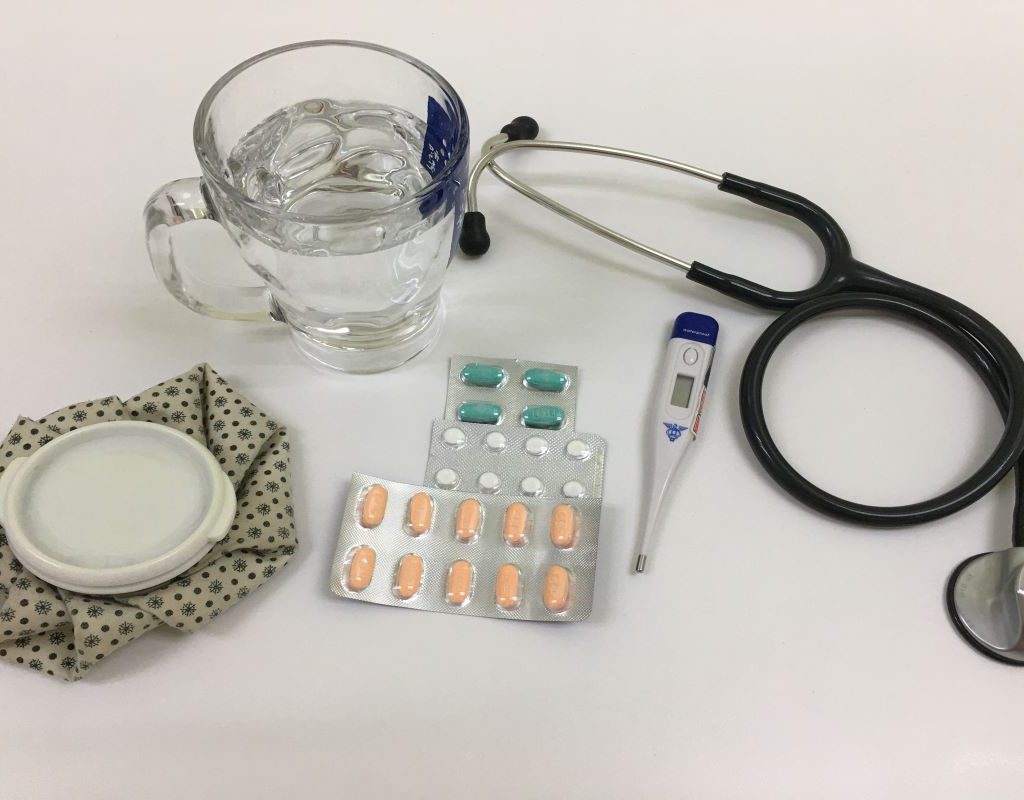
Dr. Jeanne Sheffield, MD states in her article for Johns Hopkins Medicine that women who are pregnant and contract COVID-19 should contact their doctor promptly, but at the same time, panicking is not the answer. She emphasizes that treatments are available that are safe to use during pregnancy. She also stresses the importance of treating any fever that develops, since fever has been proven to be hazardous during the first trimester in relation to any illness — not just COVID-19. Staying calm and working closely with your physician is key to gaining a good outcome.
Although COVID-19 and pregnancy in the first trimester are considered to be a high-risk situation, for the most part, you’re going to be ok if you test positive during the first trimester. You’ll just need to watch for fever, which is the one symptom that proves to be precarious in early pregnancy. Otherwise, your safest bet is to continue to social distance and avoid large gatherings, to wear a mask, and get vaccinated (under the watchful care of your doctor). Despite the current situation, pregnancy is still a time of joyful anticipation and most of all, hope.