Many people refer to the second trimester of pregnancy as the “honeymoon phase.” Months 4 to 6, or weeks 13 to 28, are typically the easiest in pregnancy. Most mothers-to-be find relief from first trimester morning sickness and their energy starts to resurface during these three months of pregnancy.
Although you’ll experience body changes during this period, most expectant mothers don’t struggle with the same level of discomfort as they might have during the first trimester. You should still be able to see your toes when you look down and get out of bed without too much of a physical struggle.
Some changes during the second trimester, however, can make battling illnesses like COVID-19 more challenging. Scientists are still studying the impact of COVID-19 and pregnancy second trimester. Since COVID-19 is an infectious disease primarily affecting the respiratory system, it has the potential to greatly impact a pregnant woman’s immune system. Pregnancy, in general, can lower women’s immune systems, making them more susceptible to catching colds and the flu. So, what are some COVID-19 symptoms to be on the lookout for during the second trimester?
Common COVID-19 symptoms
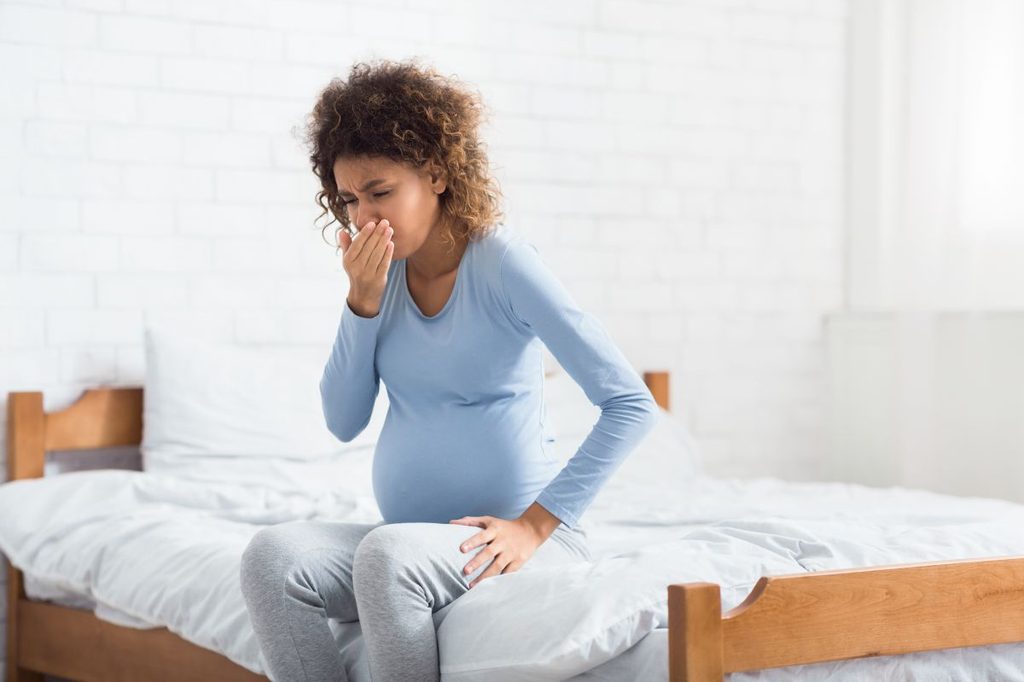
According to a study of pregnant women diagnosed with COVID-19, the most common early symptoms include:
- Cough
- Sore throat
- Body aches
- Fever
Loss of taste and/or smell is a symptom that is commonly categorized with COVID-19, but only 6% of pregnant women surveyed experienced this phenomenon. Other possible symptoms of COVID-19 can include:
- Runny nose
- Sneezing
- Shortness of breath
- Dizziness
- Sore throat
- Nausea
- Vomiting
- Diarrhea

Complications during the second trimester
Your body is continually changing during pregnancy. The second trimester can come with some noticeable physical changes. Many women begin having visible belly growth. Your growing uterus can shift organs around and put pressure on your lungs. This change may cause women to feel short of breath completing everyday activities during the second trimester.
Another body change can occur in your nostrils. Pregnant women can experience rhinitis, which inflames the mucus membranes and can leave you perpetually stuffy. This can become exacerbated with COVID-19 symptoms, which typically increase nasal congestion.
The symptoms of COVID-19 you may experience while pregnant are not that much different from the ones you could potentially have when you are not pregnant. The biggest challenge for dealing with COVID-19 during pregnancy is the severity and the duration of your symptoms.
Those who contract COVID-19 while pregnant are at an elevated risk of experiencing severe illness. Pregnancy increases the risk of hospitalization, receiving intensive care, and being placed on a ventilator. Early data is also suggesting that women who contract COVID-19 while pregnant have a higher risk of giving birth prematurely or needing a C-section. In some cases, women who contracted COVID-19 experienced pregnancy loss.

What to expect if you get COVID-19 during your second trimester
If you are a mom-to-be and suspect you have COVID-19, get tested immediately. At-home rapid antigen and PCR test kits are now available over-the-counter at pharmacies like CVS. Once you have your results, contact your obstetrician right away. Your doctor can give you the best, up-to-date professional advice for managing your COVID-19 symptoms.

Common symptoms and ways to keep yourself comfortable
If your symptoms are mild, you should be able to manage them at home. Here are a few tips on how to relieve some of the more common COVID-19 symptoms.
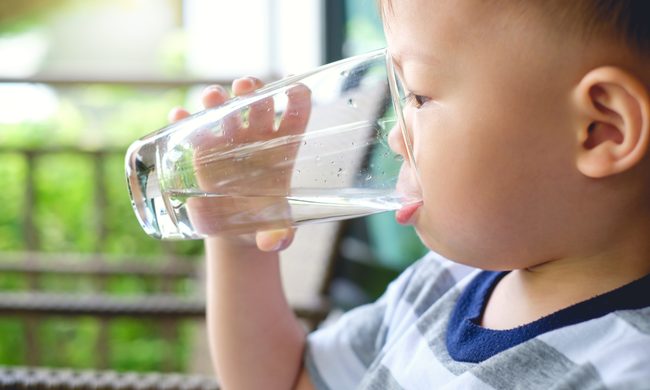
- Fever – Talk with your doctor about which fever-reducing medication may be safe to take while pregnant. Keep hydrated by drinking water and other liquids.
- Cough or Sore Throat – Try to keep your throat lubricated by drinking lots of fluids. You can also suck on mints or candies to increase your saliva. Running a humidifier may also cause some relief for your throat. Always check with your doctor about throat lozenges or cough medicines prior to using them.
- Congestion – Continue to hydrate and try avoiding dairy products. Dairy products can sometimes increase congestion. Using a humidifier, especially at night, may also help. Taking a shower or bath may help open your sinuses. Ask your doctor which decongestion medications may be safe to take during your second trimester.
When to call your doctor
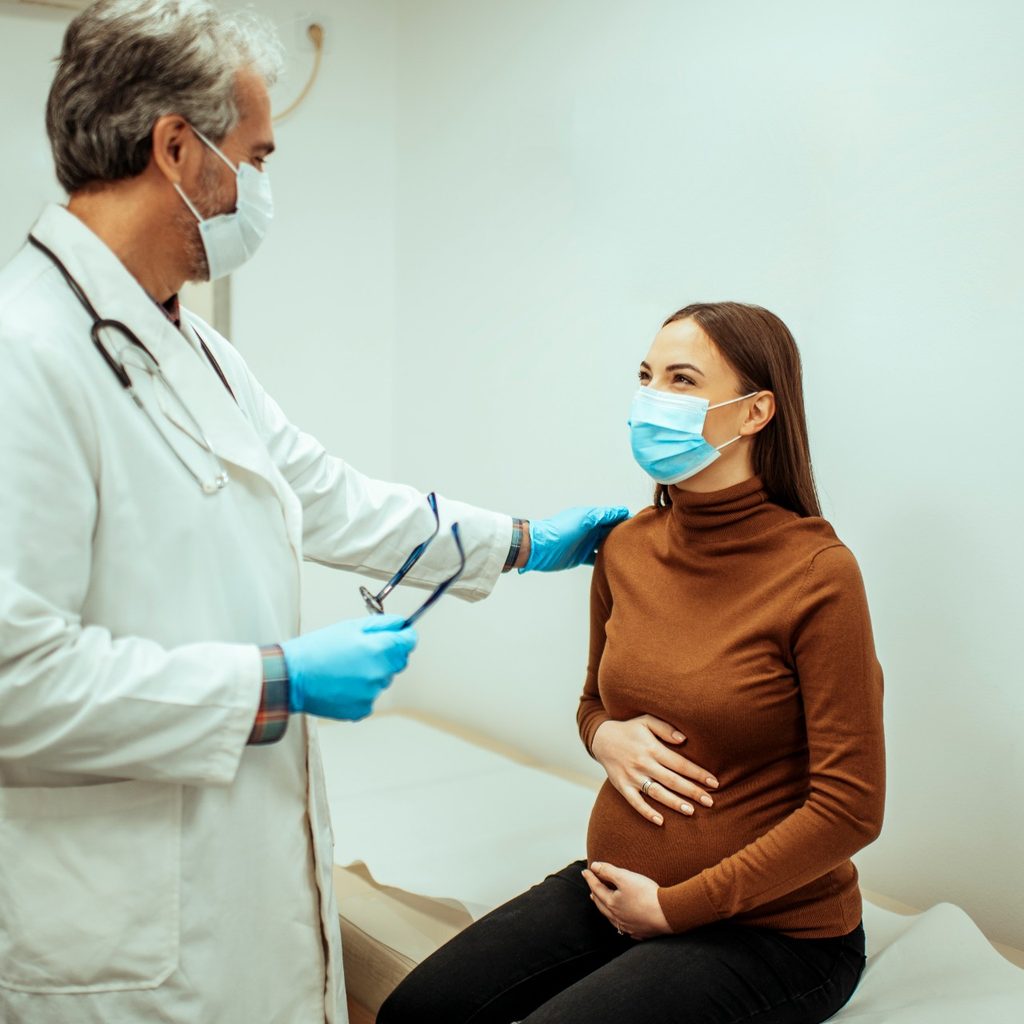
If you are questioning whether you should call your doctor, you should err on the side of caution. A quick call to your doctor can ease your concerns for your health and your baby’s health while helping your rest easier.
You may prefer to monitor your symptoms before calling your doctor, but it’s always a smart idea to keep your obstetrician informed of how you’re doing during the duration of your COVID illness. Make sure you are keeping a close eye on your symptoms and the severity of each one. Immediately call your doctor or go to the hospital if you experience the following issues while battling COVID-19 during the second trimester:
- Difficulty breathing
- Fever of 101 or higher
- Ongoing pressure or pain in your chest
- Inability to keep food or liquid down for a prolonged period of time
- Cramping or pain in your abdomen
- Spotting or bleeding
Coming down with an illness while in your second trimester can be scary. Infectious diseases like COVID-19 can seem especially terrifying. Although symptoms may not vary much between non-pregnant and pregnant women, the severity and length of the illness can especially vary when contracting COVID-19 during the second trimester. If you suspect COVID-19, test immediately and always contact your doctor if you have any concerns or are experiencing COVID-19 symptoms.