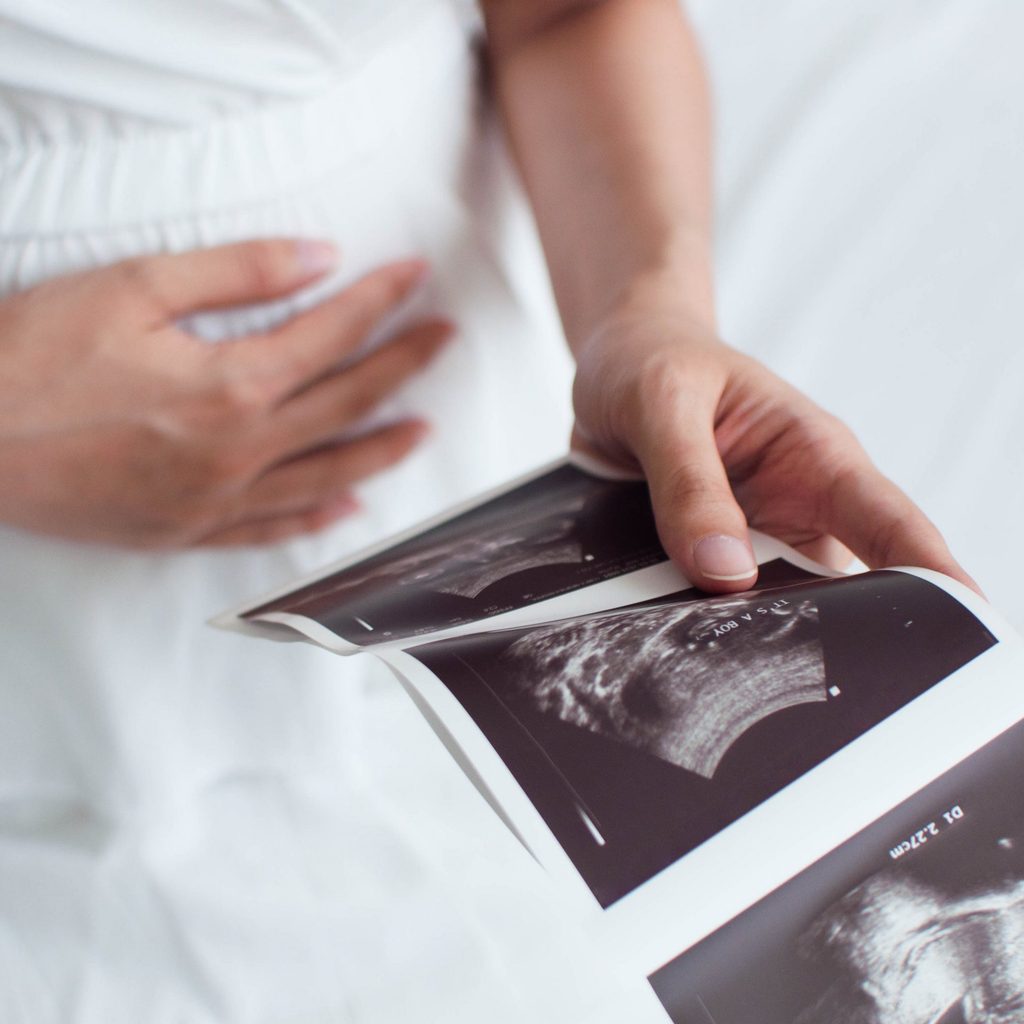
Pregnancy is such an exciting time in any woman’s life, but it can also be incredibly terrifying! Let’s face it, your body is going through so many changes, especially in the first trimester, that it can be a bit overwhelming and hard to know if everything is ‘normal’ or not. Every woman’s body adjusts to pregnancy differently but it can be nerve-wracking and unsettling if you experience bleeding during the first trimester.
Bleeding during the first trimester can be very common and can happen for a number of reasons, some more serious than others. Find out why first trimester bleeding can happen and know when you should be contacting your doctor if it happens to you.
How common is it?
Recent studies show that almost 30% of women experience some form of bleeding during their first trimester. Light spotting or bleeding during the first trimester can be a very normal part of a pregnancy and doesn’t always indicate there’s a problem. Expectant mothers should always exercise caution if they experience any sort of bleeding during pregnancy and contact their doctor or health care provider to ensure their own health and the health of the baby.
What are some of the causes of first trimester bleeding?
There are a number of reasons why a woman may be bleeding during the first trimester of her pregnancy. As WebMD points out, implantation bleeding happens often in the first two weeks after conception, resulting in normal spotting. This is when the fertilized egg implants itself into the lining of the uterus. Many times this happens so early the pregnancy hasn’t been detected yet and is often mistaken for a light period. The March of Dimes also notes that spotting or light bleeding during the first trimester can also be caused by having sex or as the result of an infection, or even due to the massive amount of hormone changes that are happening in the body. The cervix is also changing at this point, which can also cause some light spotting or bleeding because more blood vessels are developing in this area. If you have a pap test or any kind of pelvic exam you may also experience light bleeding. Healthline also notes that women who are pregnant with multiples tend to have a greater chance of experiencing bleeding in the first trimester as well.
What is “light bleeding”?
It can be nerve-wracking to see any amount of blood during the first trimester, and many women find themselves wondering how much is considered “light bleeding” or “spotting” vs heavier bleeding. Medline Plus notes that spotting happens when you notice a few drops of blood on your underwear, but not nearly enough to cover a panty liner, while bleeding is heavier and requires a liner or pad to protect your clothes.
When is it cause for concern?
While bleeding during the first trimester is normal, it sadly can also indicate problems with the pregnancy, which is why it’s always important to speak to your doctor if you experience any bleeding at all. If light bleeding or spotting turns into heavier bleeding, especially if you’re experiencing pain, there may be a risk of miscarriage. The American College of Obstetricians and Gynecologists notes that approximately 10% of pregnancies end in miscarriage, and this is one of the main concerns with first trimester bleeding. Healthline notes that in addition to heavy bleeding, bleeding that is bright red to brown in color, pain in the lower stomach as well as a dull or sharp pain in the lower back, severe cramping, and passing clots of blood or tissue are other common symptoms of miscarriage or problems with the pregnancy.
When to seek help
You should always reach out to your doctor if you experience any spotting or bleeding during your pregnancy, but Healthline suggests you seek immediate medical advice if you experience heavy bleeding, passing any clots, extreme pain or cramping, severe nausea, dizziness, chills, or fever.
What can help
If you are experiencing normal spotting in your first trimester your doctor will probably recommend that you take some time to rest and stay off your feet. If the bleeding is caused by something like an infection or polyp, your doctor will be able to treat it or prescribe medication.
Pregnancy can be an exciting but nerve-wracking and scary time for anyone regardless of whether this is her first time or not, so it’s completely normal to feel a wide range of emotions when your body isn’t reacting the way you think it should. While bleeding during the first trimester is very common and often nothing to be alarmed about, it’s always important to always speak to your doctor to ensure everyone is healthy.


