

Having a baby is one of the most exciting times in a person’s life and one that involves making a lot of decisions. Before you even get pregnant, you may have already decided if you’re going to find out the sex of your baby or let it be a surprise. Some people want to know in advance so they can plan accordingly, while others are happy to wait until the baby arrives to find out if they are having a boy or a girl.
Regardless of how you feel about the subject of baby gender predictors, people are going to share their opinions on whether you’re having a boy or a girl, and the reasons for those opinions! So can those old wives’ tales and different methods of gender predicting really help tell you your baby’s sex? Maybe, or maybe not! Let’s explore the different ways to determine a baby’s gender.

Ultrasound
When it comes to determining the sex of your unborn baby, the ultrasound is the gold standard. Throughout any person’s pregnancy, they will undergo a series of ultrasounds to ensure the baby is growing accordingly, and an ultrasound technician can typically determine the baby’s sex during an anatomy scan anywhere between 18 and 22 weeks of pregnancy.
According to WebMD, an ultrasound can predict the baby’s sex as early as 11 weeks gestation, but those results will only be about 70% accurate. Although studies show a 100% accuracy rate for sex determination after 14 weeks gestation, variables such as the skill of the sonographer and the position of the baby can sometimes result in errors. However, if you’re determined to know your baby’s sex before they’re born, an ultrasound is the most accurate gender predictor method.

Chinese Gender Chart
For those who don’t really want to know the sex of their baby, but still want to have some fun speculating whether they’re carrying a boy or a girl, or for those who simply can’t wait for their 20-week ultrasound, there’s the Chinese Gender Chart. Legend has it that the Chinese Gender Calendar was discovered more than 700 years ago, buried in a royal tomb.
This chart takes the age of the mother at conception as well as the baby’s due date and converts them to dates on the Chinese lunar calendar to determine the baby’s sex. While there is no actual data to show how accurate the Chinese Gender Chart is, it’s harmless fun. If you want to give the chart a try, you can try this one on What to Expect’s website.

Pendulum predictor test
The pendulum predictor test, often referred to as the ring test, is another method many swear by when it comes to predicting the sex of an unborn baby. You take the pregnant person’s wedding ring, or any other ring of importance, and hang it on a string or strand of the pregnant person’s hair.
The expectant person can be lying down or sitting as someone holds the string over their belly, usually only about an inch or so above. The ring must be still at the beginning of the test, and lore states that if the ring begins to move in a straight line, a boy is on the way. If the ring starts to circle the womb, that means the baby is a girl. Of course, there’s no scientific basis for this test, but it can be a fun exercise that causes no harm.

The old wives’ tales
There are many other old wives’ tales when it comes to predicting the sex of an unborn baby. Some people believe that morning sickness is an indicator that you’re having a girl, while those who sail through pregnancy without any nausea aren’t just lucky, but also pregnant with a boy. You may have also heard that the fetal heart rate can indicate the baby’s sex, with believers stating that a higher rate of more than 140 bpm means a girl is on the way, while a lower rate means it’s a boy.
Your cravings can also say a lot about whether you’re carrying a boy or a girl, according to some. This theory states that if you have a sweet tooth while pregnant, you’re going to have a girl, while those who crave more savory and rich foods will welcome a boy. Have you heard the saying that a baby girl steals her mother’s beauty? That may sound ridiculous, but there are those who believe in the old wives’ tales that if your hair starts to thin and your nails become brittle during pregnancy, you’ll have a girl, while those who have that pregnancy glow are carrying a boy.
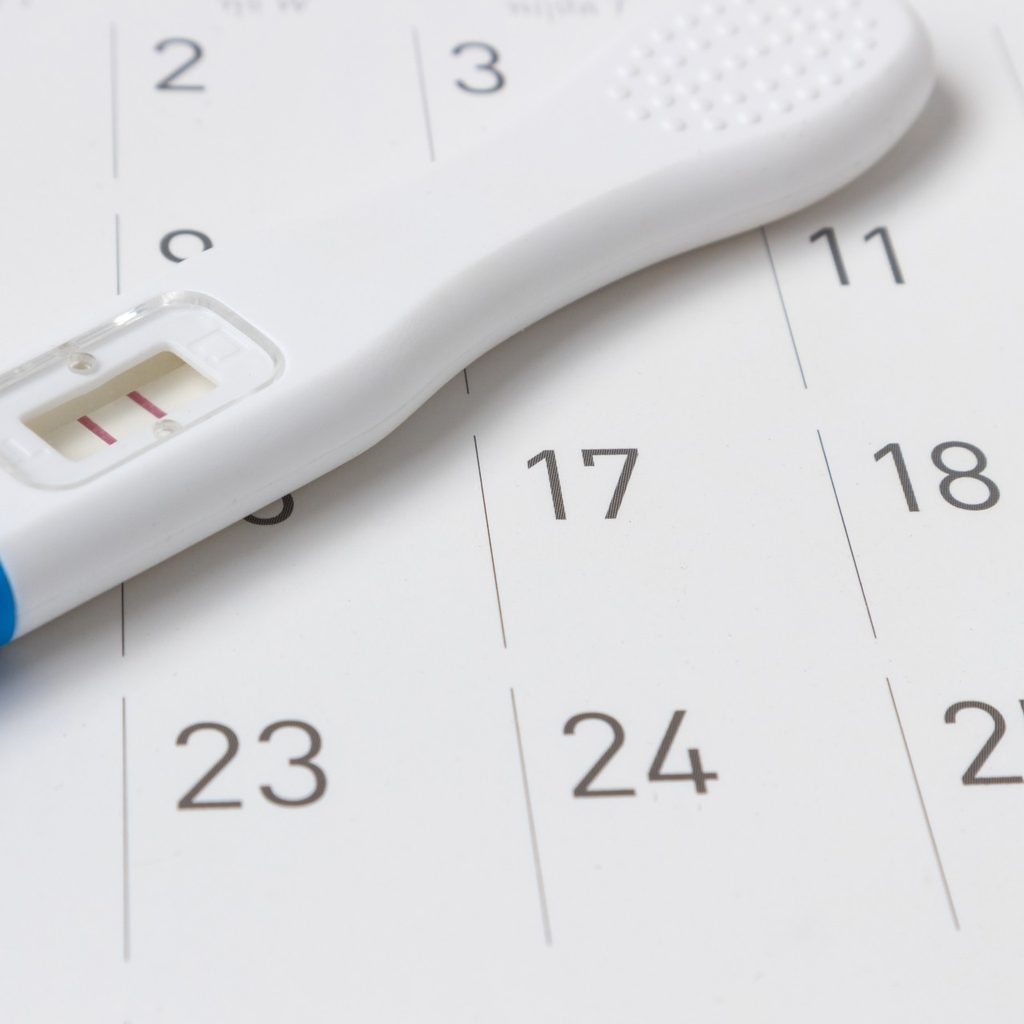
Can you help influence the sex of your baby?
Everyone wants a healthy baby, but sometimes you may have your heart set on welcoming a little girl or boy to the family, or simply have a hunch. Aside from pre-determining the sex of your baby through scientific means, there are some non-proven methods that some swear by using if you’re hoping to conceive a boy or a girl.
The Shettles Method suggests that if you’re hoping for a girl, you should try to conceive a few days before ovulation (thanks to the notion that female sperm live longer than male sperm), while those who are hoping for a boy should conceive as close to ovulation as possible.
This also suggests that sexual positioning can influence the baby’s gender, with those who provide for deeper penetration resulting in a better chance for those faster male sperm, while less penetration benefits the slower, yet more resilient female sperm. However, there is no scientific proof to support any of these methods and your chances are pretty even at conceiving a boy or girl.
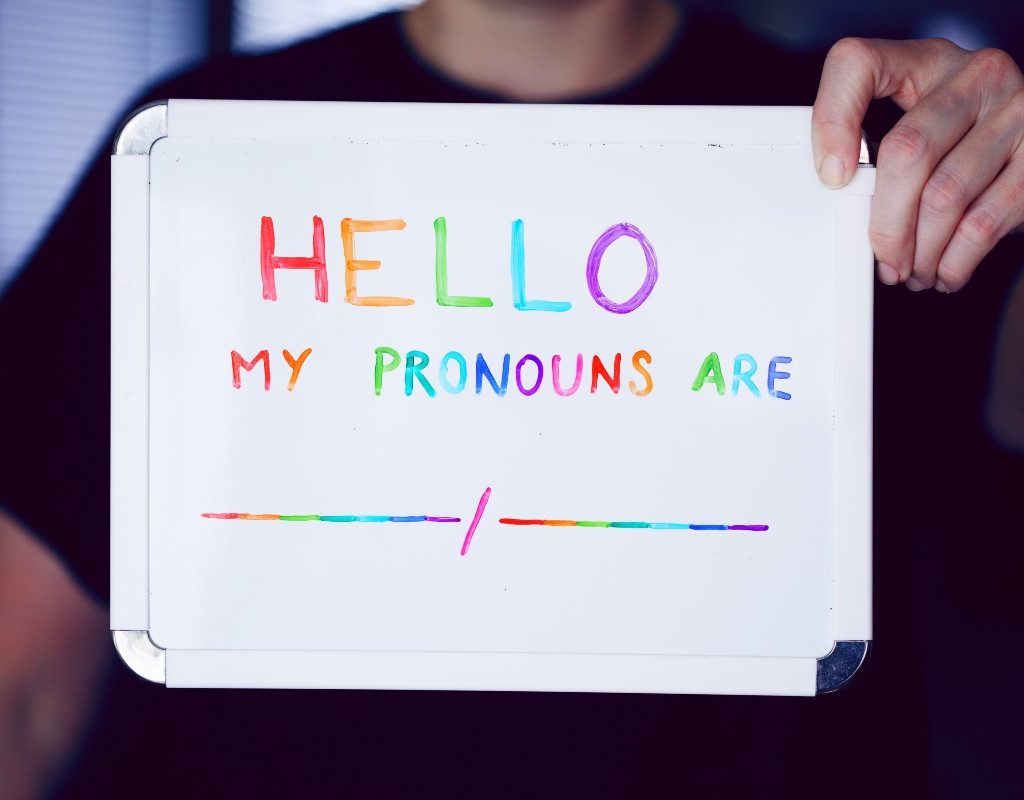
What’s the difference between gender and sex?
As we evolve as a society, we now know that there’s a difference between your gender and your sex. Sex refers to the reproductive organs you’re assigned at birth, while your gender is what you identify with. The Canadian Institutes of Health Research states that gender “refers to the socially constructed roles, behaviors, expressions and identities of girls, women, boys, men, and gender diverse people.”
Although ultrasound is the most accurate way to determine your baby’s sex before birth, there’s no harm in having some fun and using some of the methods above to make a few guesses. Chances are 50/50 you’ll be right!