
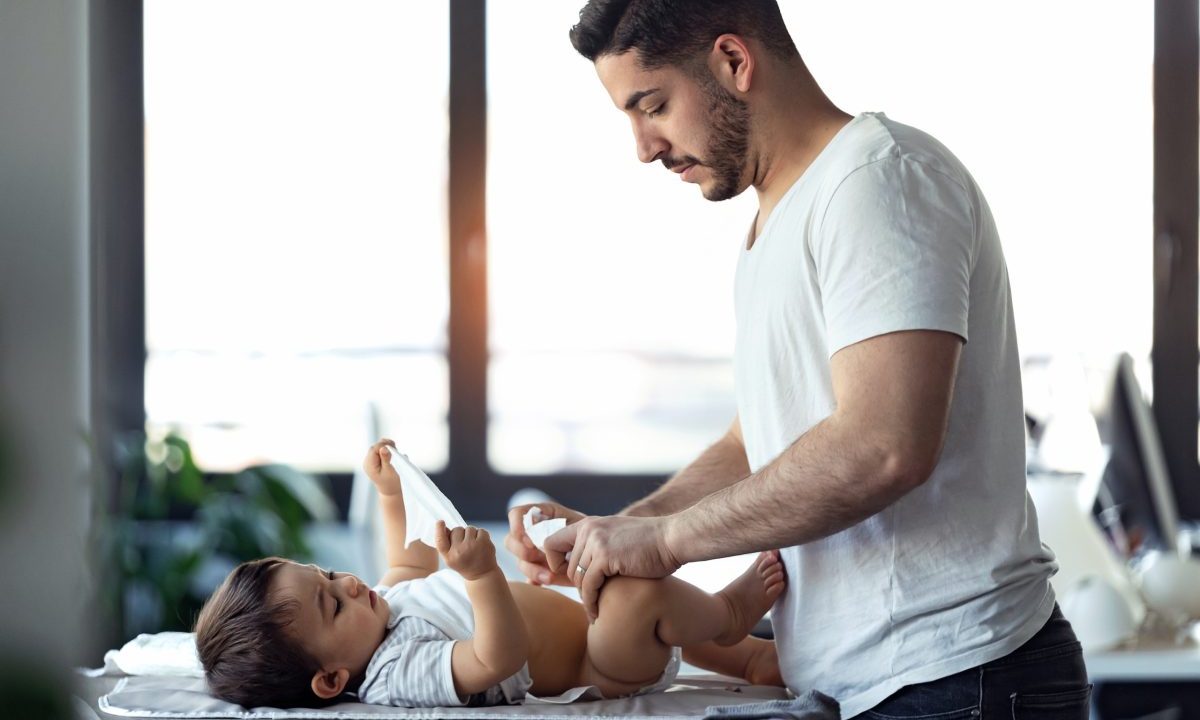
Babies and diapers go hand in hand. You may not want to change diapers, but you will. There isn't a way to avoid it. Not only will you be changing diapers a lot, but sometimes you'll be doing it on the go. Then, there's the weird places you'll be changing a diaper because you don't want to use the changing table in the public restroom.
With all this diaper changing going on, it's important to do it correctly. Yes, things can go wrong with a diaper change. Now, you're probably having an Uncle Jessie and Joey flashback, but don't worry we've not your step-by-step guide on how to change a diaper. So, just watch that iconic Full House episode for laughs.
We know firsthand how precious that little baby is to you. We also understand how we weren't ready for those first few changes. Practicing on a doll doesn't prepare new parents for anything. That's why we have this handy how to change a diaper guide for you to reference until you become a seasoned pro.
Prep before the change
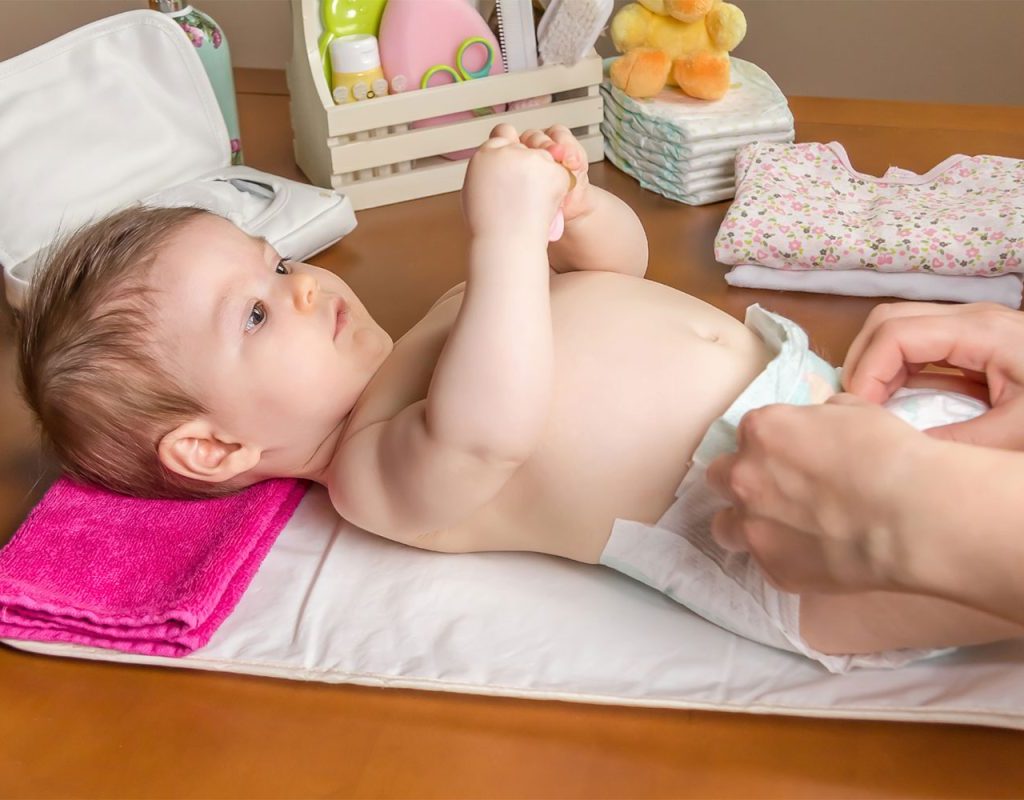
There's nothing worse than going to change a newborn — or any baby — and not having a completely prepped workstation. If you think you'll be able to stop mid-change and then go grab the wipes; you're in for a big surprise. Instead, make sure you have the basics within reach. Sometimes, you will need to use one hand to grab what you need.
Step 1: Wash your hands.
Step 2: Open up the wipes and position one so it's ready to grab.
Step 3: Have the diaper opened up so all you have to do is slip it under baby when you take the dirty one off.
Step 4: Have the ointment by you with the cap open. Then, all you have to do is squeeze.
Changing the diaper
We know that changing a teeny tiny newborn might make anyone feel anxious. As long as you take your time, you'll be fine. There really isn't a whole lot of wriggle room in the process. Just focus on not rushing to make sure the whole change gets completed.
Step 1: Always place baby on a flat surface.
Step 2: Take off whatever clothing is needed to change the diaper.
Step 3: Undo the diaper and take a quick peek to see what the situation looks like.
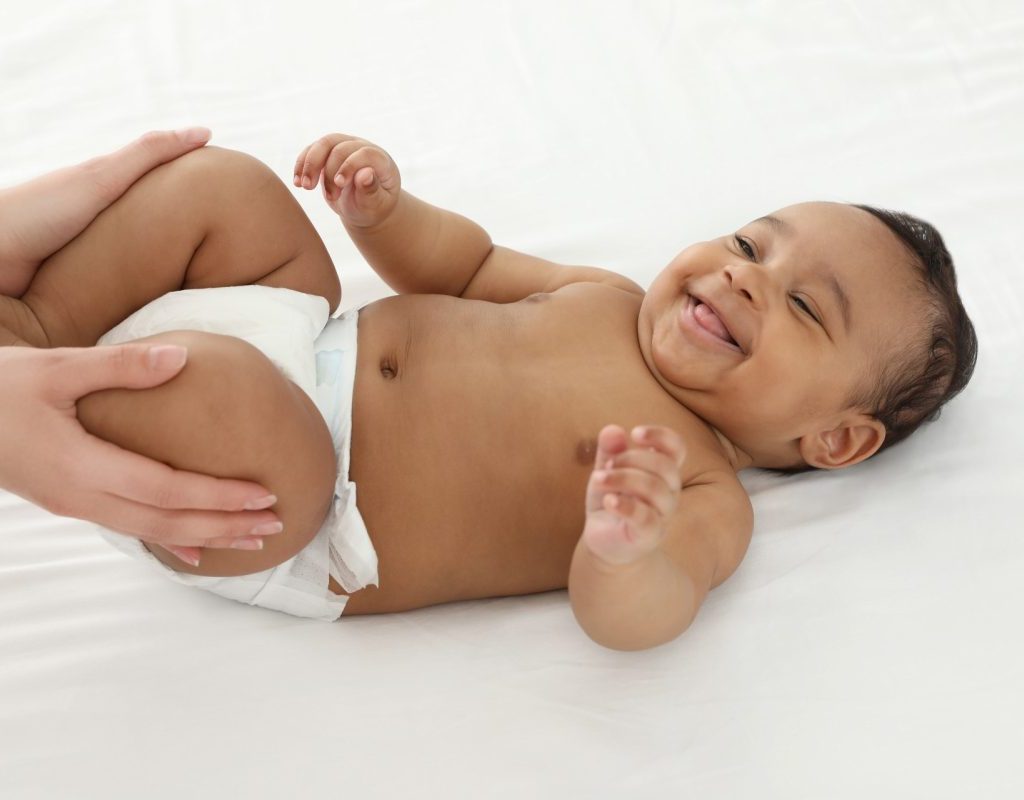
Step 4: One hand holds baby's legs, and the other hand does the needed work of wiping. Be ready for movement, babies do squirm when their getting diapers changed.
Step 5: Take away the dirty diaper and put the fresh diaper under baby's bottom.
Step 6: Apply rash cream as needed.
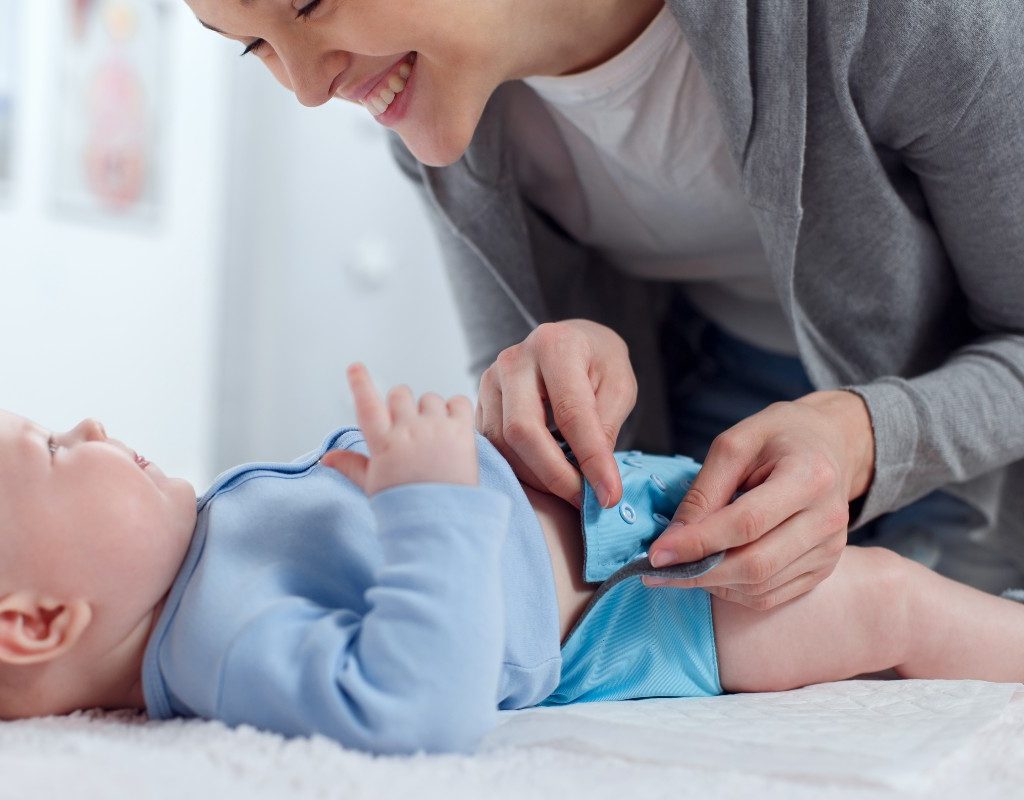
Step 7: Secure the new diaper (not too tightly) and redress baby.
Step 8: Wrap the dirty diapers and wipes up for disposal.
Finish the change
The process of changing a baby isn't finished once that diaper is snug on their bottom. In order to ensure the next diaper change goes smoothly, it's important to clean up properly afterwards. This is especially true for those middle of the night changes. No one wants to be left without wipes after a midnight poop.
Step 1: Set baby in a safe place first.
Step 2: Throw the dirty diaper away and wash your hands.
Step 3: Put the wipes back where they go and put away any liners/changing mats. If the changing mat got soiled, be sure to clean and disinfect right away.
Step 4: Wash your hands again if you need to. With all the diaper changing and hand washing, you want to invest in some great hand lotion and a container of Vaseline in case your hands get less than baby-smooth.
Step 5: Check to see if the changing table needs to be restocked with diapers, wipes, or diaper ointment.
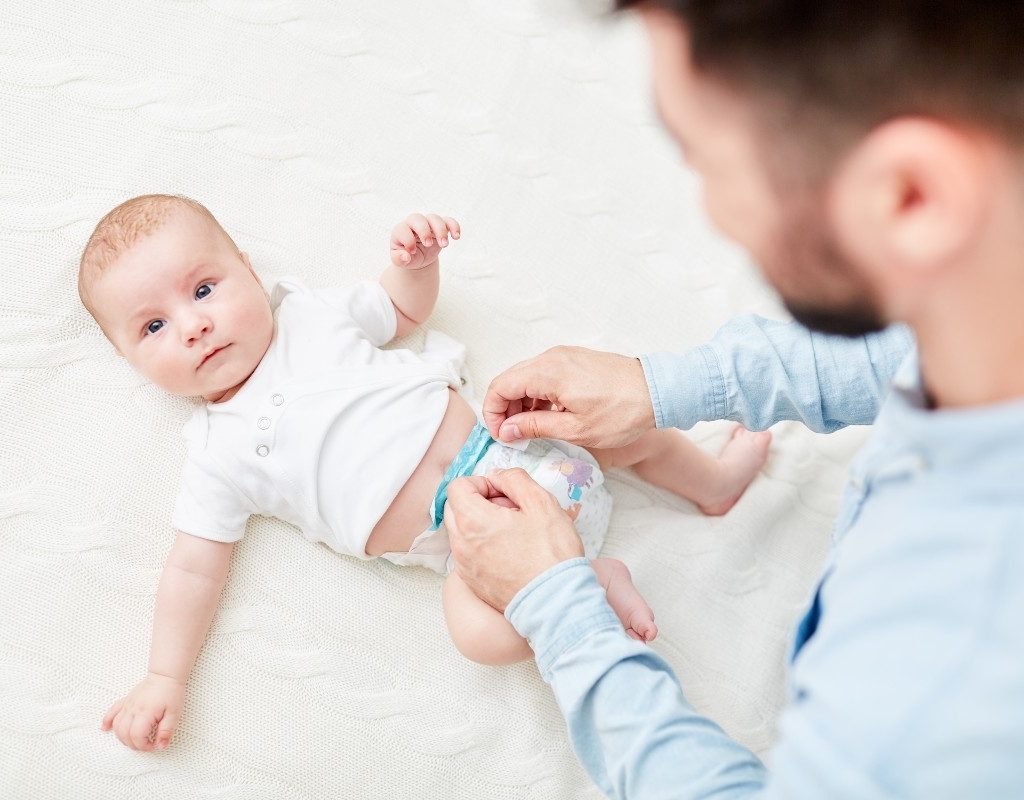
Extra pro tips to always remember
There are a few things to remember to make changing a baby easier on everyone.
- Avoid all baby products with fragrance and alcohol.
- For baby girls, the way to wipe is front to back.
- The longer a baby sits in a dirty diaper, the more likely they are to get a rash.
- Never leave a baby mid-change — they will make a new mess before your next blink.
- Always double-check the diaper bag has all items if you leave the house with baby.
- Make it as enjoyable as possible — sing, tickle, do voices, or make funny noises for baby.

How often should you change a diaper?
This is completely up to how often your baby goes to the bathroom. Normally though, newborns need to be changed about every two hours or after they eat. Whether baby is breastfed or fed formula; it doesn't matter. After they eat, a dirty diaper is soon to follow.
Common diapering mistakes
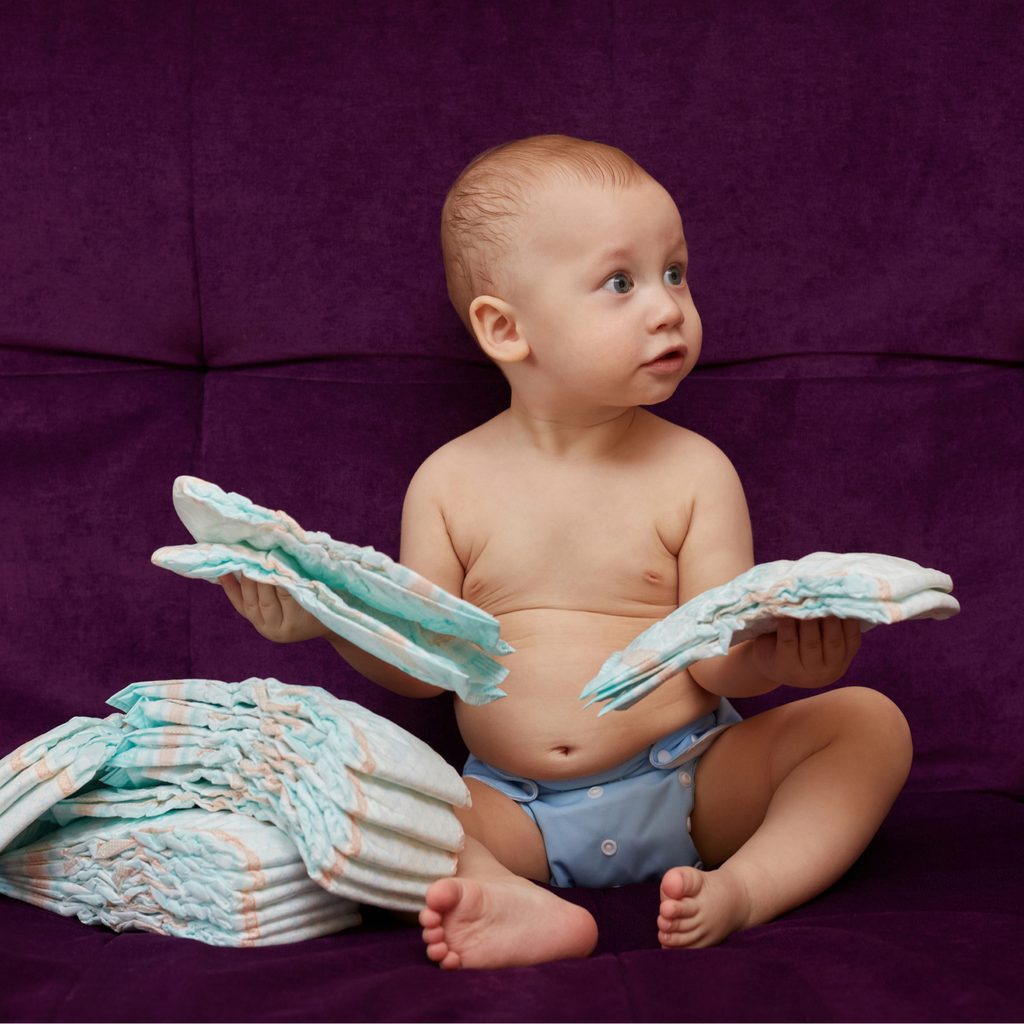
There is a learning curve when it comes to changing diapers. So, to help you get to the head of the class, keep these common diapering errors in mind when changing your little one.
- Be sure to position the diaper correctly underneath baby. If it's off center, it will be uncomfortable and more likely to leak.
- You don't want a diaper to be too tight, but it shouldn't fall off either. Loose diapers will spring a leak.
- It doesn't take long for a baby to get a diaper rash. Apply the diaper cream of choice as soon as you see any signs of redness.
- In order to avoid an extremely messy diaper change, wait a few minutes before changing a poop. If you dive right in, the poop will go everywhere.
- Don't change baby on a soft surface like a bed or the carpet without using a changing pad. You'll most likely be cleaning up poop from the bedspread or rug too. *Make sure to check the diaper is the right size for your little ones. You want a snug fit to prevent leaks. If a diaper is too big it will leak and the same is true if the diaper is too small. There isn't a one-size-fits-all diaper. So, use the weight guide on the diaper box.
- Remember to wash your hands before and after a diaper change. You don't want to spread germs to your baby by not washing your hands before and the same is true for after.
Once mini-me has been changed and everything is put away, give yourself a high-five. You did it! If everything didn't go exactly the way you wanted it to (maybe your bundle of joy got a little something on you), don't worry; you're going to have countless chances to get your technique down.
The more diapers you change, the more you'll perfect your personal routine. You'll have a favorite spot you like to change baby and even a favorite kind of diaper. Even the parent pros make a mistake every now and then. Be easy on yourself and enjoy the bonding time that diaper changes should be. It's just you and your precious peanut learning the ways of changing a diaper together — with a little help from our guide.


