
Dental health is one of the most important aspects of childcare from a very early age. In fact, did you know that a baby’s teeth start cutting through the gums as early as 3 months? By 12 months, the baby will go on to gain a set of 20 teeth. This two-year stage brings even more exciting milestones — from trying new foods to pronouncing new words.
Eventually, however, your child will reach the point of losing the first tooth. Then, all 20 of the baby teeth will gradually fall out in a particular order to make way for the permanent teeth. Let’s find out how this process works and how you can prepare your child for the phases of tooth loss – and later, gain.
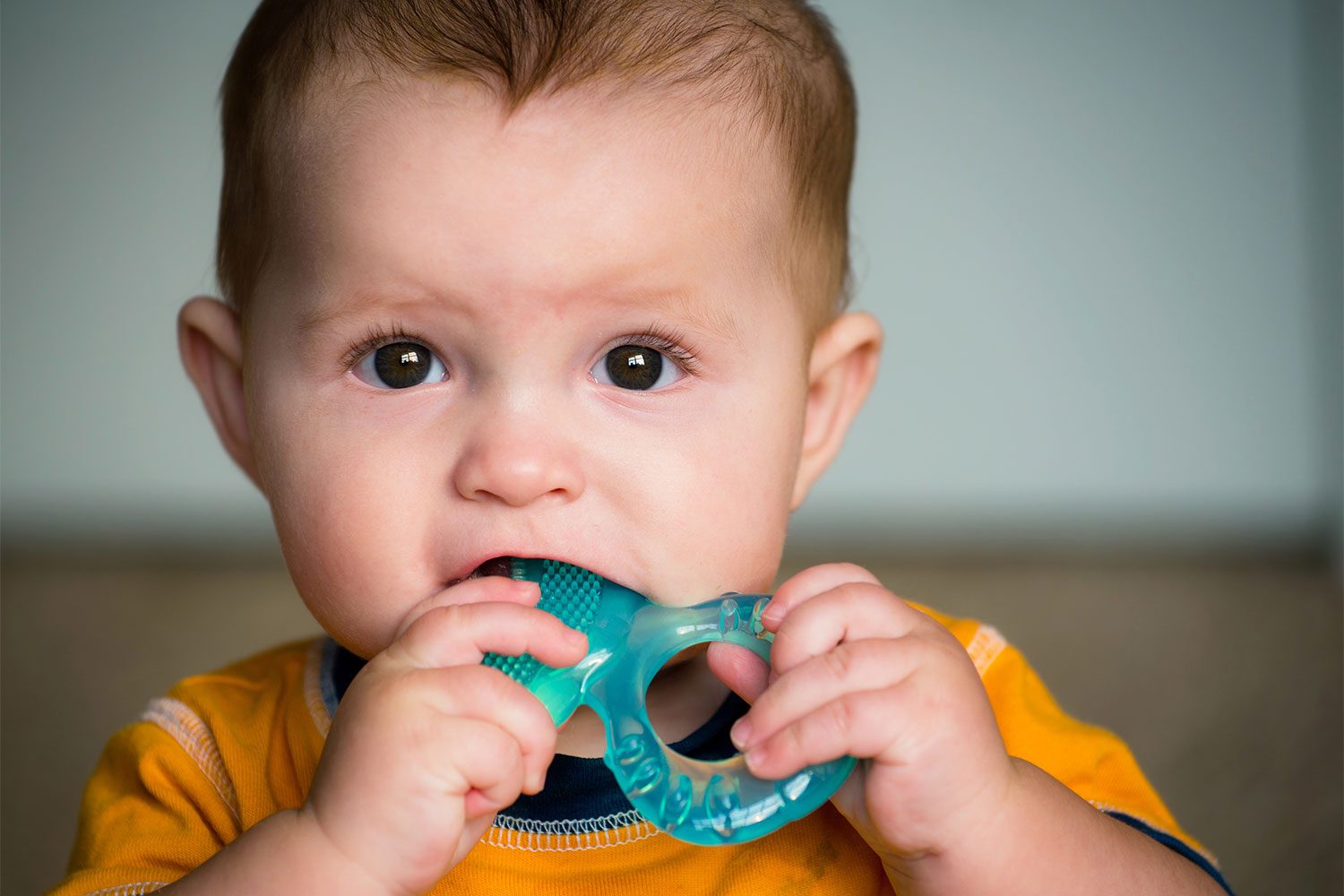
When and why do children lose teeth?
A child starts losing the primary teeth at the age of 5 or 6 years old in a specific order, generally from front to back.
The primary teeth, also known as baby teeth, are just strong enough for the first six years of chewing but not necessarily for life. Interestingly enough, their primary purpose (no pun intended) is to serve as placeholders for the permanent teeth. Thus, they will have to go in order to make way for the adult set. Nonetheless, teaching your child proper care of the baby teeth is still important because this sets them up for adopting the best dental-hygiene habits.
Which teeth do they lose at specific ages?
When children reach the age of 5-6 years, their teeth start to loosen. This process is caused by the body producing a special set of cells that break down the roots of the baby teeth, thus making them loose. Then, the teeth fall out in the following order:
- Central incisors (two front teeth) — age 6 to 7
- Lateral incisors — 8 to 9 years old
- Canines — 10 to 12
- Molars and premolars — 10 to 12 years of age
Keeping this information in mind will help you to be on the lookout when the time comes for your child’s teeth to start loosening. Plus, you’ll be prepared with the “Tooth Fairy’s” supply of spare change.

What can parents do to prepare children for tooth loss?
Naturally, you can still guide your children in the practice of regular brushing and flossing along with choosing more nutritious options instead of sugary snacks and drinks. This is especially important because the first set of teeth, ideally, would be the only set they lose.
Also, you can explain to them that tooth loss is a normal part of growing up. While it might seem a bit strange, if not scary, the baby teeth have to fall out to make way for the grown-up teeth. And for the most part, it’s perfectly painless.
Should a parent try to pull the loose tooth?
Whether or not you should pull the tooth depends on your child’s comfort level with that idea. If your tot finds the wiggly tooth to be a nuisance while eating, and it’s just hanging by a thread, then gently wiggling and pulling it with a sterile gauze won’t cause any harm. For best results, avoid the string-and-doorknob idea.
When does tooth loss signal a problem?
Generally, losing teeth before the age of 4 can be a sign that there’s a dental issue that needs attention.
Here are a few signs that parents should be aware of:
- Extreme tooth sensitivity to warm or cold
- Noticeable discoloration or yellowing of teeth
- Pain in the tooth or gum
Any of these symptoms might signal tooth decay or gum infection.
In the event children lose teeth prematurely, the permanent teeth can shift and come in misaligned, which leads to even more issues in later years with chewing and jaw alignment. Should your child lose a tooth prematurely, your dentist will likely recommend placing a plastic or metal space maintainer, also known as a spacer, to fill the gap until the adult tooth comes in. Again, the dentist will be the one to remove it.
Needless to say, as you’re following all the necessary recommendations and helping your children with proper dental hygiene, all should go well when the time comes for this exciting milestone to occur.