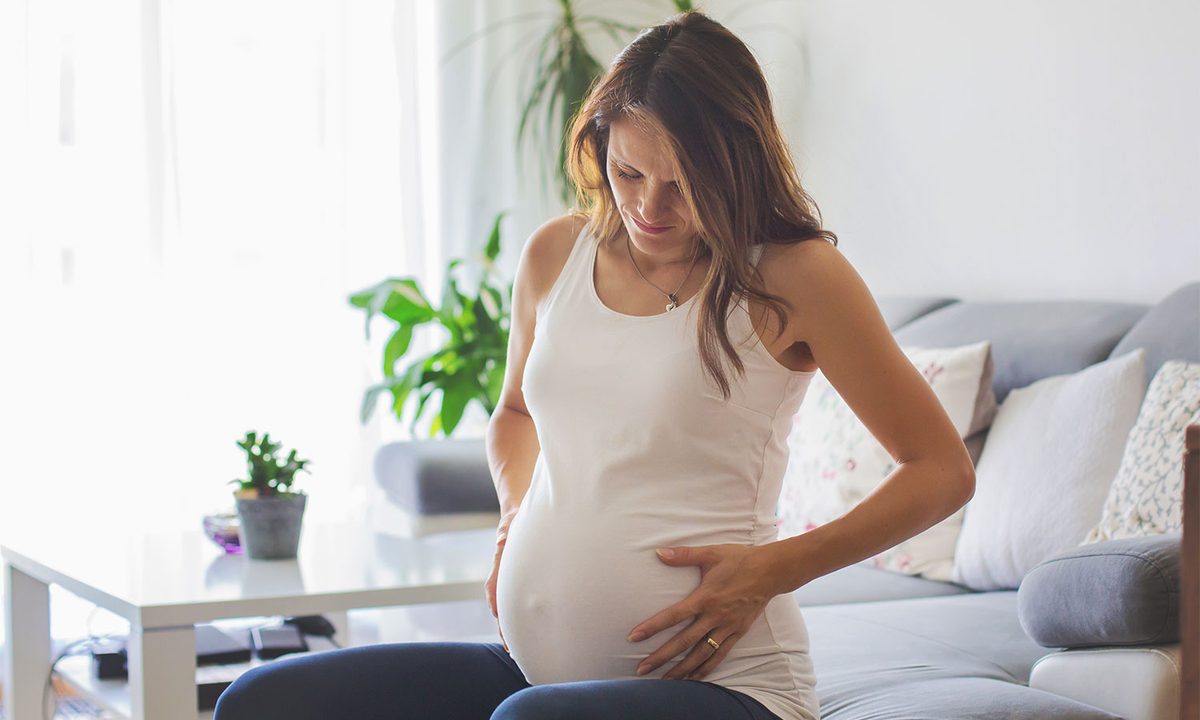
Even though pregnancy is an exciting time in a person’s life, it’s also filled with discomfort and sometimes pain. This can be worrying to anyone, especially those who are going through it for the first time. However, there are two bits of good news: The symptoms are usually temporary, and most of them are perfectly normal.
For example, pregnancy pain occurs at different times throughout the gestation period, and some aches are just a bit more intense than others. However, knowing what to expect helps to lessen any fears that you might have. Plus, you’ll gain some information about when you should contact your obstetrician.
Possible causes

From slight twinges to sharp abdominal pain, these discomforts are a normal part of the process. During these 40 weeks, your body undergoes many changes, and your muscular, skeletal, and digestive systems are also affected. According to the American Pregnancy Association, here are a few common causes:
- Muscle and ligament pain
- Constipation
- Gas
- Cramps
All of these causes are considered a normal part of pregnancy. For instance, your digestive system gets “pushed around” a bit by the expanding uterus, plus hormone changes cause relaxation of all soft and hard muscle tissue, including your intestines. This means that you’ll get rather flatulent, if not constipated, which results in bloating, front abdominal pain, and lower back pain.
What to do about the discomfort?
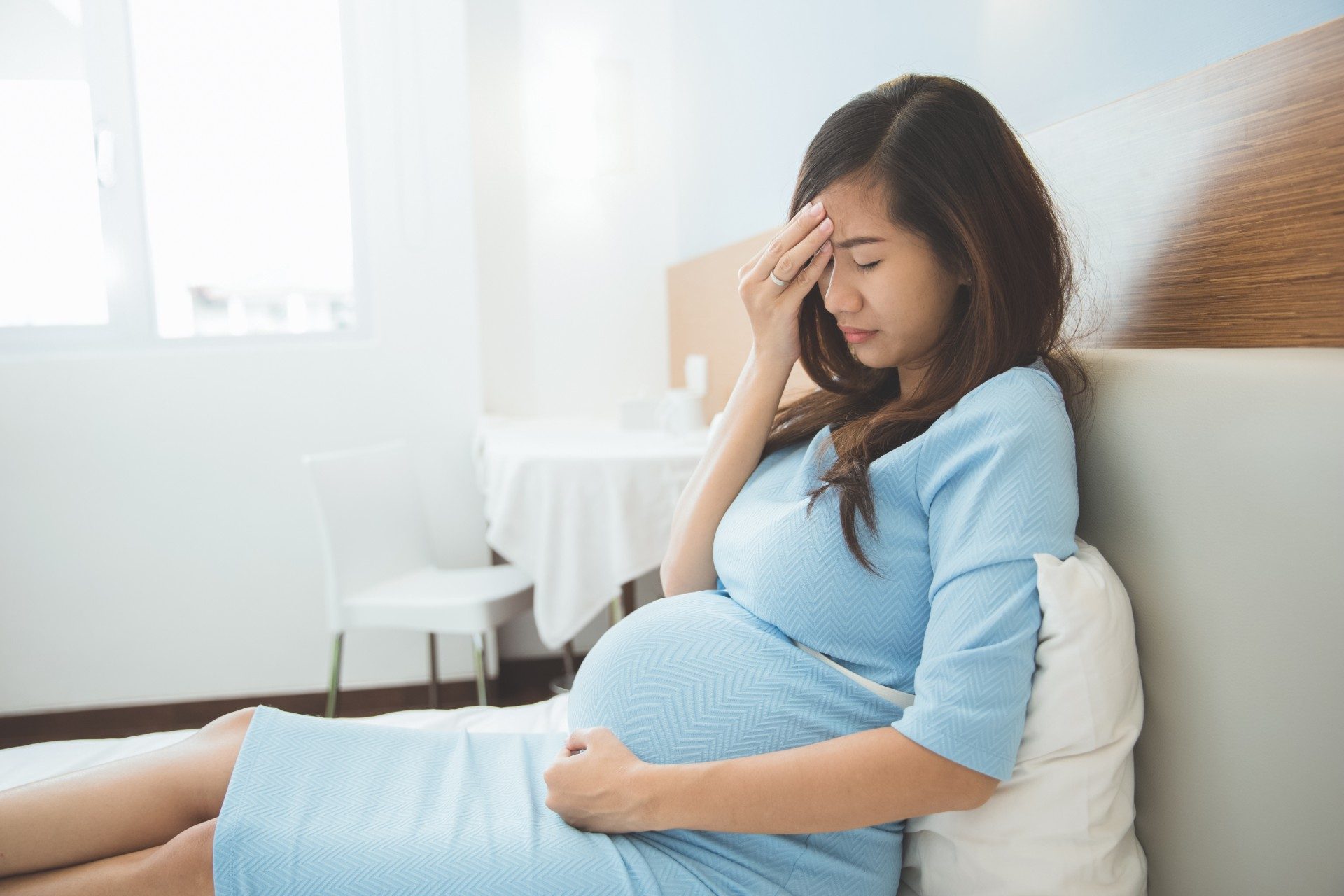
For just about any type of pregnancy pain, you can place a hot water bottle on the site of the ache and massage lightly or apply some slight counter pressure to relax the muscles. Also, diet and water intake play an important role in preventing aches related to constipation. If you eat plenty of fiber-rich foods like vegetables, fruits, and whole grains along with drinking at least 10 cups of water, you’ll ward off irregularity.
Your food choices also affect flatulence to a small degree. If you notice that certain foods give you gas or heartburn during pregnancy, you should avoid them for the time being.
What about the cramping?

Even the term “cramping” encompasses a broad spectrum of discomfort. In reference to the first trimester, for instance, cramps signal normal changes related to your baby’s development. In other words, as the baby grows, the uterus also expands to accommodate the increase in size. Furthermore, the muscles and ligaments that support the uterus are stretching.
Likewise, the second trimester brings about pain in the round ligament. The round ligament supports the weight of the expanding uterus and sets off a sharp, stabbing pain in the lower abdomen or sometimes just a dull feeling of pressure.
In addition to the cramping that accompanies the stretching muscles in the third trimester, you might experience Braxton Hicks contractions, which according to Dr. Raines and Dr. Cooper of the University at Buffalo and LSU Health Sciences Center, respectively, are “sporadic contractions and relaxation of the uterine muscle.” Some people refer to these pains as “false labor,” although they’re not as intense as labor pains. The pressure that is brought on by Braxton Hicks contractions is a normal part of pregnancy. Actually, you can think of them as “practice contractions” for the uterus.
Braxton Hicks contractions differ from actual contractions in the following ways:
- They’re irregular in duration and intensity.
- They don’t cause dilation, unlike labor contractions.
- They often feel more like an uncomfortable pressure rather than a sharp pain.
- They don’t follow any particular pattern.
More than likely, you’ll be able to tell the difference between these two types of pain, especially when labor finally does kick in. In the meantime, you may want to look for some effective ways of dealing with pregnancy cramps.
Definite warning signs

Although a certain amount of cramping and discomfort are common during all three stages of pregnancy, there are some symptoms and pain that you should not ignore. They might signal any of the following conditions:
- Urinary tract infection — which consists of lower abdominal pain is accompanied by painful urination
- Preterm labor — which involves pain and cramping with increased pelvic pressure
- Ectopic pregnancy — which is a pregnancy where the fertilized egg implants outside of the uterus and is accompanied by sharp cramping
- Miscarriage — which involves heavy bleeding and severe cramping
- Preeclampsia — which consists of severe pain in the upper abdominal area, high blood pressure, and protein found in your urine sample
- Placental abruption — which occurs when the placenta detaches from the uterus and is signaled by painful cramping
When to see a doctor
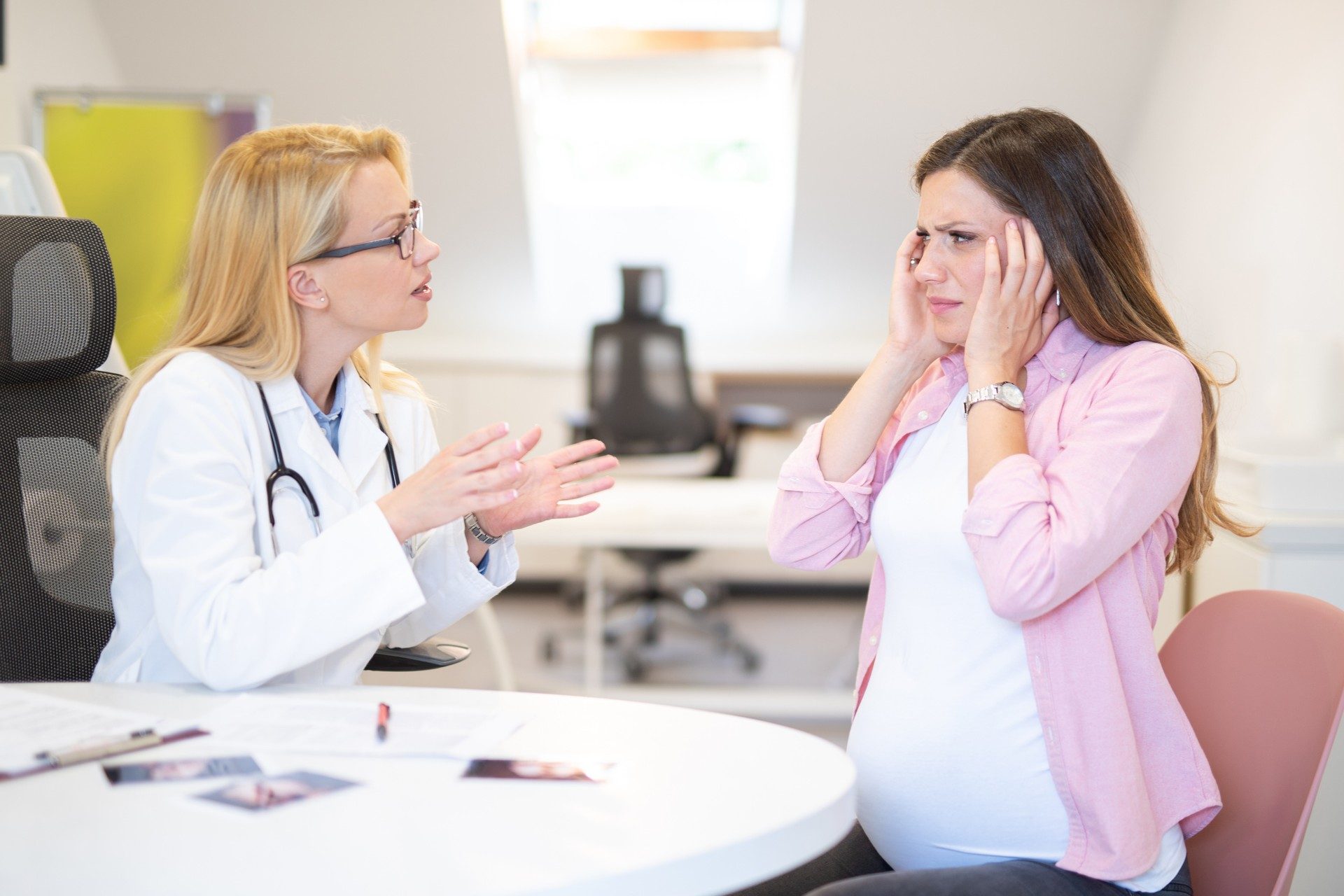
While some aches and pains are common during pregnancy, as we noted above they can also signify something more serious. The CDC notes that you should seek medical care if you experience any of the following;
- You have a sharp, stabbing, or cramp-like belly pain that doesn’t go away.
- Your belly pain starts suddenly and is severe, or gets worse over time.
- You have severe chest, shoulder, or back pain.
If you’re experiencing bleeding or you have a fever with your pain you should also contact your medical care provider. They also warn you to seek medical care if you start experiencing pain and swelling in your leg or arm. While pain is often a symptom of pregnancy, it’s always prudent to err on the side of caution if you’re concerned and reach out to a medical professional.
As we can tell from the symptoms associated with these conditions, all of these situations are quite serious and need to be addressed right away. If you experience any kind of bleeding and severe pain, you should contact your doctor immediately or go straight to your nearest emergency room.