
  1. Home
  2. Stages
  3. Evergreens

Are there bad signs during the second pregnancy trimester? Here’s what to watch for

Add as a preferred source on Google

For many people, the second trimester of pregnancy is a walk in the park. All the nausea and fatigue of the first trimester is history and the discomfort of the third trimester seems a world away. During the second trimester, moms-to-be generally have more energy and less concern about miscarriage. They can find out the sex of their baby if they want to, those first butterfly kicks are becoming more noticeable, and those pesky first-trimester mood swings will probably even out some.

Even though the second trimester is the golden time of pregnancy doesn’t mean there can’t be complications, however. Read on to learn the second-trimester symptoms and warning signs and what to look out for during the second trimester.

Recommended Videos

Bleeding

Some light bleeding or spotting is normal during any stage of pregnancy. Blood can be pink, red, or brown in color and usually results from cervical irritation from sex or a pelvic exam. If you begin to pass clots or the bleeding is accompanied by cramping, you should contact your health care provider.

Bleeding can be a sign of placental abruption, a condition where the placenta separates from the uterine wall too early, or preterm labor. Preterm labor refers to any labor experienced prior to the 38th week of pregnancy and can be caused by a number of issues.
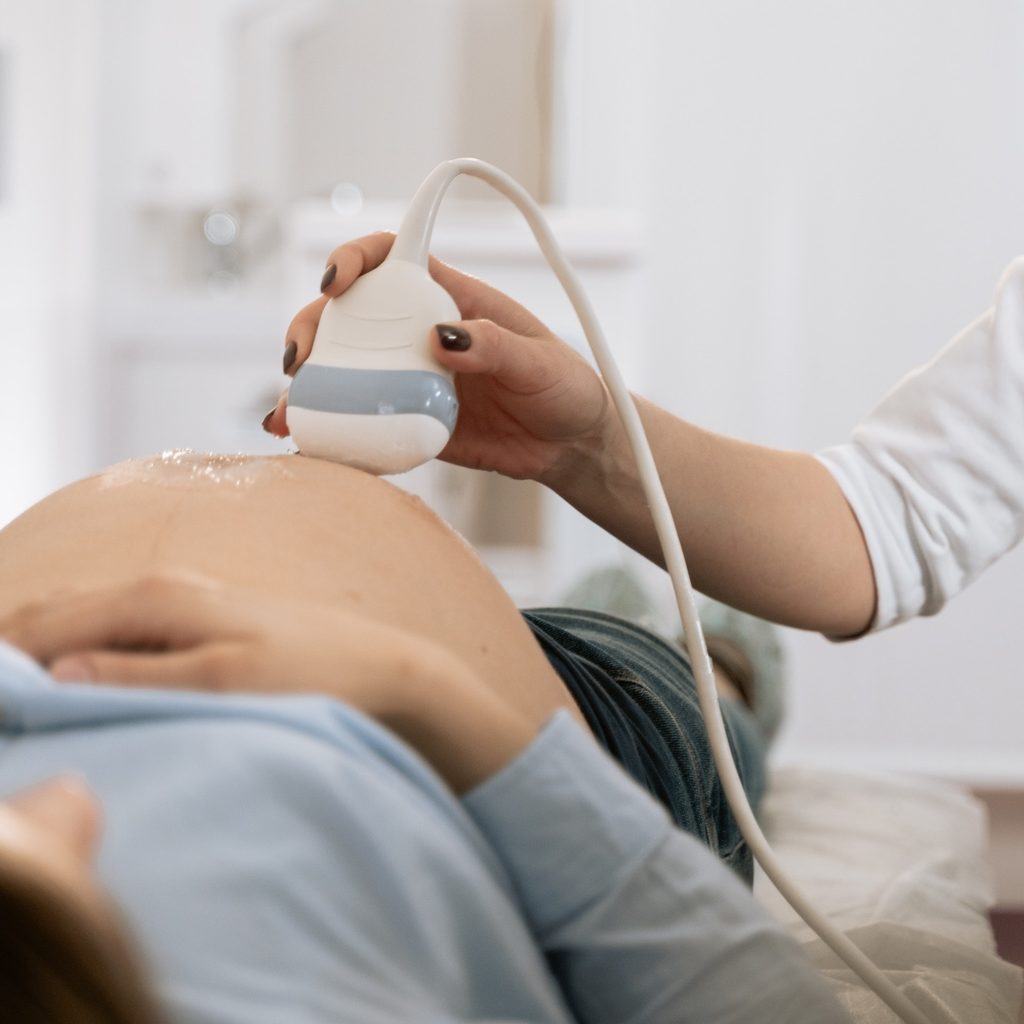
Pregnancy ultrasound
Image used with permission by copyright holder

Cramping

As your baby grows and moves, some abdominal discomfort is to be expected. If you notice that you are experiencing menstrual-type cramps that occur within a consistent pattern, you should speak with your physician. Contractions during the second trimester can feel like menstrual cramping and if they are accompanied by blood, mucoid discharge, or a gush of fluid, you could be going into labor.

Mucus

During pregnancy, your cervix is sealed with mucus to ensure the uterine environment isn’t contaminated. As your cervix dilates when you approach your delivery date, this mucus plug becomes dislodged and exits the body through the vagina. You will usually notice it in your underwear or when you wipe after using the restroom. The mucus plug is usually off-white and may have blood in it. It’s sticky and stringy and is usually around two inches long. Mucoid discharge during pregnancy isn’t uncommon, but the mucus plug is stickier and stringier than normal cervical mucus. If you notice a large amount of sticky mucus it could be a sign that your cervix has started to dilate and you should contact your health care provider.

Fluid Leakage

During gestation, your baby floats in a sac of fluid in your uterus and when delivery is close, this sac will rupture, releasing that fluid. If you notice fluid leaking from your vagina, even a small amount, it could mean your membranes have ruptured. Unlike popular myth, most women do not feel a gush of fluid that puddles at their feet when their membranes rupture. And during the second trimester, even a tiny pinhole leak could mean problems. If you notice that your underwear is consistently damp with a clear liquid, you might be experiencing preterm premature rupture of membranes (PPROM) which is considered an emergency. PPROM puts you at risk for preterm labor and uterine infection.

Though the second trimester is generally the easiest part of pregnancy, complications can and do arise. Being aware of changes and being proactive in reaching out to your health care provider can make all the difference in the world when it comes to maintaining a healthy pregnancy.

Is your newborn eating too much? What to know about overfeeding
Cues to watch out for to let you know if you're overfeeding a newborn
Mother holding baby in nursery

Every parent knows the excitement and anxiety that comes when it's time to bring their baby home from the hospital for the first time. Besides the sleep schedule, many new parents may be worried about whether their infant is getting enough to eat. But is going the other direction something parents should also worry about? Is there such a thing as overfeeding a newborn? The short answer is yes. Overfeeding a newborn is a possibility, but it doesn't happen often.

Every newborn has differences in appetite where one might drink a bottle or breastfeed longer than another. Before you stress, don't worry. There are signs to be on the lookout for when it comes to giving your little one too much food. Whether it's your first or third child, if you are concerned about overfeeding your newborn, we have the information you need to know.
Why overfeeding a newborn is something you don't want to do

Read more
Recognizing early autism signs in toddlers: 6 things to know
Which toddler behaviors are quirky and which are red flags for autism?
Toddler boys playing a party game

The Centers for Disease Control and Prevention (CDC) has found that about 1 in every 36 children has been identified with autism spectrum disorder. If your child is on the spectrum, the initial diagnosis can be upsetting, but early intervention following a diagnosis is vital. The early signs of autism in toddlers, though, can be easy to overlook. If you have a child you think might be on the spectrum, it's best to know the early signs as your toddler develops.

There is a long list of possible signs as the autism spectrum is wide and diverse. One sign may appear in one child, but not in another. Certain early signs of autism are more common than others, which is why knowing the red flags is important. The earlier a child receives a diagnosis, the better the support system will be for them.
Understanding autism

Read more
Can you use a heating pad while pregnant? Here’s what you should know
Heat pads and pregnancy work together, just follow some precautions
Pregnant woman using heating pad hot water bottle

Pregnancy is an exciting time filled with awe and wonder, but it's also painful and uncomfortable. Experiencing all. the changes your body goes through as your baby grows is magical, but it's also kind of a pain. As pregnancy progresses throughout the trimesters, so, too, does the discomfort. From backaches to sore feet and sciatica to insomnia, pregnancy can be very hard on a person's body.
Often, a heating pad can provide some much-needed relief from those pregnancy-induced aches and pains, but many wonder if it's safe to use a heating pads while pregnant. Using heating pads during pregnancy can be an understandable concern.
Despite the relief they may give, many pregnant people are hesitant to use them out of fear the heat they produce may harm their baby. Fortunately, using a heating pad while pregnant can be very safe as long as you do so carefully and take proper precautions.

Why would you need a heating pad?

Read more