

We all know that your body goes through many changes when you’re pregnant, but what about when you actually conceive? Trying to get pregnant makes you hyper-aware of your body, and you’ll probably find yourself looking for any indication that implantation has happened. Implantation is when an embryo implants into the uterine lining to start growing into a fetus.
Implantation, like pregnancy, is different for everyone, so while some could experience implantation symptoms like some bleeding or cramping, similar to a very light period, for others, nothing may happen. Following implantation, pregnancy symptoms will begin and increase as the days progress. Read on to find out exactly what to expect in signs of implantation.
What is implantation?

Implantation usually happens five to nine days after fertilization (conception), when the embryo has already started to grow. It needs to bury itself into the thick lining of the uterus to keep growing. Without implantation, a pregnancy cannot progress. Medically, the pregnancy only begins once implantation takes place.
After implantation, levels of the pregnancy hormone hCG double every 48 hours. This is the hormone that pregnancy tests detect and that causes many pregnancy symptoms, which can be similar to implantation symptoms. Once implantation happens, the embryo that grows into a fetus will be developing rapidly and the hormones associated with pregnancy can cause symptoms, such as morning sickness. But first, the moment of implantation itself can cause some specific signs of implantation.
How long before you can take a pregnancy test?
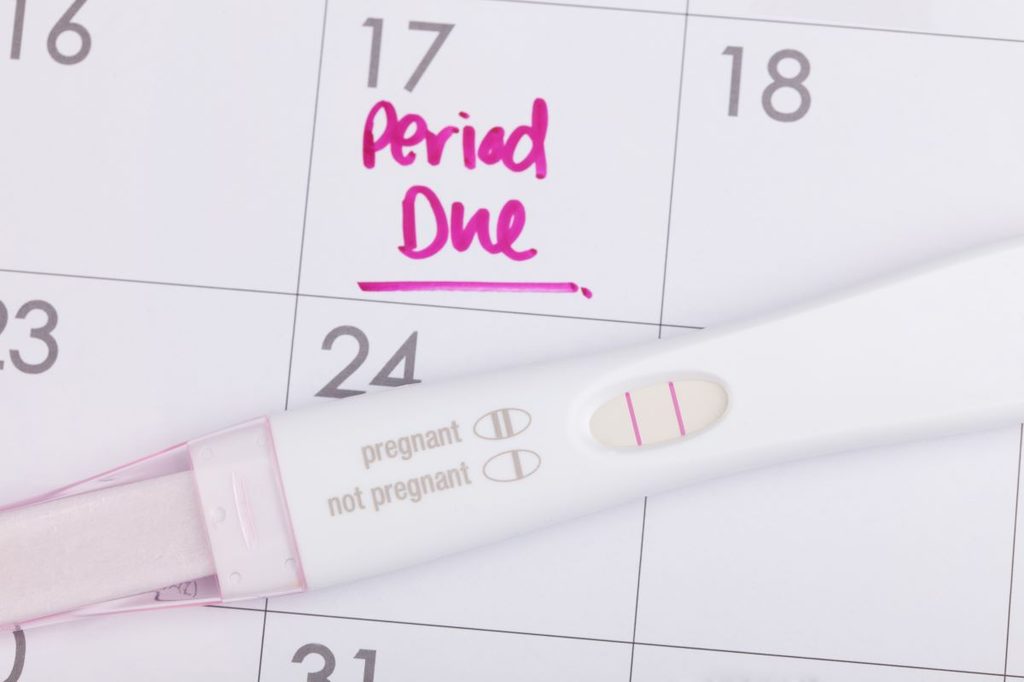
It may be tempting, but you don’t have to run to the store for a pregnancy just yet if you feel like you’re experiencing implantation symptoms. Lora Shahine, M.D., F.A.C.O.G., a reproductive endocrinologist and program director of Pacific NW Fertility in Seattle explained to Parents that a pregnancy test can typically detect a pregnancy one to two weeks after implantation, however, those results can be based on the sensitivity of test and timing of ovulation.
It’s not uncommon to get a false negative if your hCG levels aren’t high enough to be detected. “For the most accurate results,” Dr. Shahine added, “it’s best to wait until at least a few days after a missed period to take a pregnancy test.”
Signs of implantation

The main signs of implantation are light bleeding and cramping. Implantation symptoms can also include nausea, bloating, sore breasts, fatigue, mood swings, appetite changes, and headaches.
These signs are very similar to PMS symptoms, which would also be coming on at the same time if you weren’t pregnant, so implantation symptoms can also be confusing or misleading. It’s difficult to know whether spotting, cramping, mood swings, or sore breasts are a precursor to a period or mean that an embryo has implanted until a period begins or a pregnancy test turns positive.
However, the descriptions of implantation bleeding and cramping below may help give clues. The biggest clue is that implantation symptoms would happen a few days or up to one week earlier than PMS symptoms would.
Implantation bleeding
When the tiny embryo (technically a blastocyst) implants into the uterus, it causes a tiny rupture to get in. This can generate a small amount of bleeding that comes out through the vagina just like a period. It is very light since it’s not a shedding of lining but a reaction to a small poke. It could appear for just one wipe or up to two days of light bleeding or spotting, but it’s not as much as a regular menstrual cycle. It may look light pink or rust brown. Implantation bleeding does not have any clots.
The biggest clue that the bleeding is a sign of implantation instead of a period is the timing. Implantation bleeding happens about 9 days after ovulation instead of about 14 days after ovulation. If you have some light bleeding earlier than an expected period that lasts a couple of days or less and goes away, that could be implantation bleeding.
Only one-third of those who experience pregnancy implantation experience implantation bleeding, according to the American Pregnancy Association.
Implantation cramping
The implantation of the embryo into the uterus can also cause some light cramping, lighter than period cramping. A third of those who experience implantation also experience this. The cramps are similar to period cramping and felt in the same place, but they are generally milder and last for a few hours to a few days. You may even just feel a twinge once. If you have cramping that isn’t followed by your period, it could be implantation cramping.
Other signs of implantation
Implantation symptoms are similar to PMS symptoms, period symptoms, and pregnancy symptoms: sore breasts, bloating, fatigue, nausea, mood swings, and so on. During the two-week wait, it’s very difficult to tell the reason why you would be experiencing one of these symptoms; until you have waited long enough to take an accurate pregnancy test.
Signs of implantation like implantation bleeding could help be clues by giving a specific timeline — if spotting occurs nine days after ovulation instead of two weeks after ovulation; however, those other symptoms could be signs of implantation instead of signs of PMS.
If you’ve been tracking your basal body temperature (BBT), you might be able to identify “the implantation dip” — a one-day dip in BBT of a few tenths of a degree — but this is unlikely. The implantation dip has not been studied and there is no official peer-reviewed evidence to back it up. However, fertility tracking app Fertility Friend analyzed over 1.5 million BBT charts and found that charts that had a one-day drop in BBT between 5 and 12 days past ovulation were 80% more likely to be pregnant than not.
Does everyone experience implantation symptoms?

Just like how not everyone will experience pregnancy symptoms like morning sickness, not everyone will experience implantation symptoms, and those who do may not have the same signs or intensity. As we have discussed, implantation symptoms are not universal. Some people may not notice any symptoms at all, while others might experience very subtle signs.
Even when symptoms like spotting or slight pelvic discomfort do occur, they can be easily confused with premenstrual symptoms or other conditions. Because implantation symptoms are not consistent across all pregnancies, they are not a reliable indicator of pregnancy on their own.
Final thoughts on signs of implantation

You might have only one sign of implantation, two, or more, or none. While you’re waiting for a pregnancy to be detectable by a pregnancy test, it’s too easy to obsess over every little sign, but remember that stress won’t help (and will only hurt) your wait.
Whether an embryo implants into the uterine lining can’t be changed and can’t be medically detected from home, so try to distract yourself by binging a new show or taking a walk with a friend. You will know whether these were signs of implantation soon enough!