
One day, you are changing their diapers, and before you know it, you have a pre-teen or “tween.” From the ages of 10 on, children begin to fundamentally change. With all those hormones surging, it can be pretty rough becoming a tween, especially with the onset of puberty. Their bodies are changing and they are starting to have different feelings and emotions. Talking to a tween girl can sometimes be hard. But as a parent, you are there to guide them and help them through their journey of growing up and becoming adults. If you want to develop a deeper connection to your child, here are some tips to guide you in how to talk to a tween girl.
Get on their level
Make sure that your tween knows that she can come and talk to you at any time about anything. But make sure that they know that you are on their level when they want to talk. If they feel like they are talking to an authoritarian figure, it may make them feel uncomfortable and not open to sharing what is on their mind. Also, make sure that they know that they can trust you with their secrets. When they feel that you are with them on their journey, they will feel more comfortable talking to you.
Timing is everything
If you try to strike up a conversation with your tween after school or after extra-curricular activities, there is a good chance that it may not happen at that specific moment. You may get one-word answers to your questions. But this could be because they are pretty worn out from school or any other activity or sport that they do after school. A better time to talk to them is at the dinner table, if you watch television together, or if you are just hanging out together. They may be much more open to talking when they’ve had time to recharge their batteries after school.
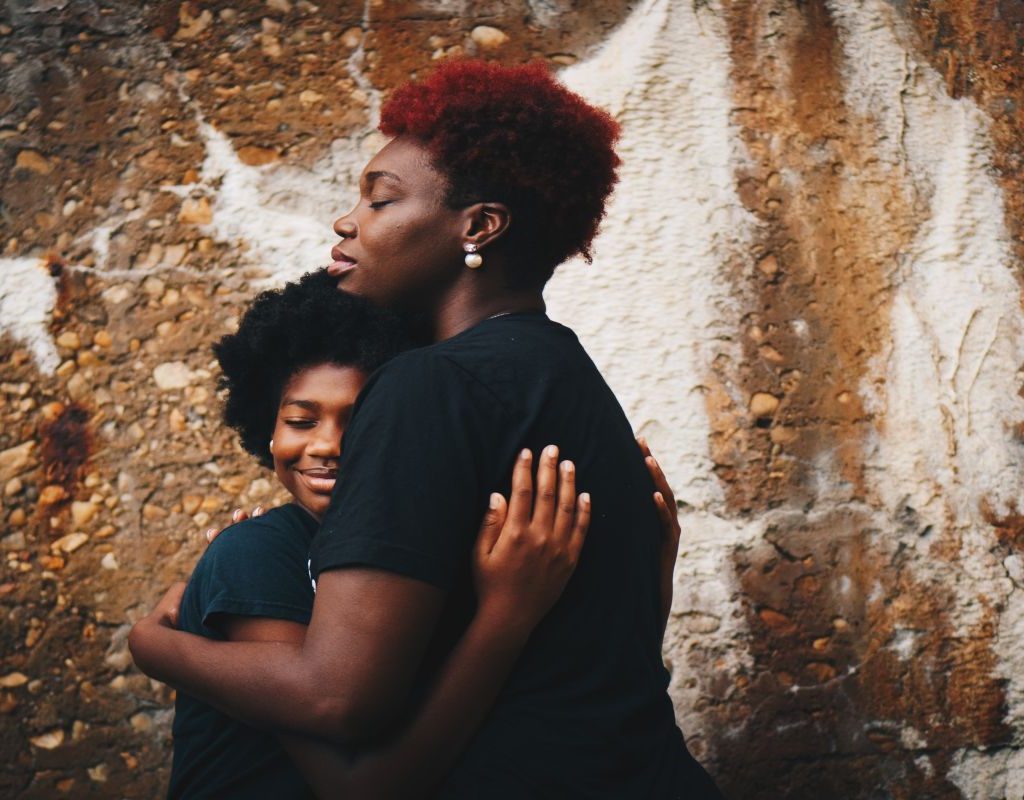
Start conversations
This shouldn’t be anything too heavy as far as conversation starters go. But think of something that your tween loves and ask them about it sometime. A dialogue like this can pave the road for more meaningful connections in the future. Another great idea for a conversation starter is to get a notebook and write them a letter, and then leave the notebook on their bed for them to respond when they are ready. It could be a back and forth thing and bring you two closer together.
They should ask questions
One thing that you can always do is to encourage them to ask how your day was. This starts a conversation that isn’t totally going to embarrass them, Not only is this a great skill to teach your tween, but it also teaches them empathy, not only for you, but for others as well, which will help them relate to friends and other family members. You can make it a habit of keeping a dialogue of having them ask you about your day, and vice versa. This is a great exercise to do. You two will definitely deepen your connection.
Sometimes, there is silence
Sometimes, you just have to get used to some silence. Within this silence, a better relationship may be formed between you and your tween. Julie de Azevedo Hanks, PhD, a Utah-based therapist that works with children says “Some parents feel like they have to fill up the silence with small talk. Allowing some space in conversations may help your child open up.” So, it is okay to sit in silence sometimes with your child. They may need it, or they may be processing something. You have no idea what is going on in their minds. When they are ready, they will approach you.

Use open-ended questions
All too often, parents tend to open with questions like “Did you have a good day at school?” For some, this can instantly shut them down. A good way to open up an avenue of communication is to ask questions like, “What was the best part of your day?” or “Is there something exciting going on at school coming up?” This might open them up to having a chat with you. If you do this daily, this may lead to a deeper connection between you and your tween.
By utilizing these tips, you will be able to help build the foundation for a relationship with your tween that will last for a long time. As they progress through puberty and move on to young adulthood, they will also likely open up more as they age, as well. But spending time each day with your child and having a conversation, even if it is about the littlest thing, can be so very valuable to any parent who feels like that they have been “shut out” by their tween.