
The eye-rolling. The moodiness. The snippy comebacks. You have to love that adolescent phase. On the one hand, you want your teen to be a critical thinker, yet you wish this practice didn’t come with a good amount of attitude.
The good news is this stage won’t last forever — though it might feel like it at times. Read on to find out more about the factors behind your teen’s disrespectful behavior and some tips to help you deal with it.
Take a (figurative) look inside the teenage brain
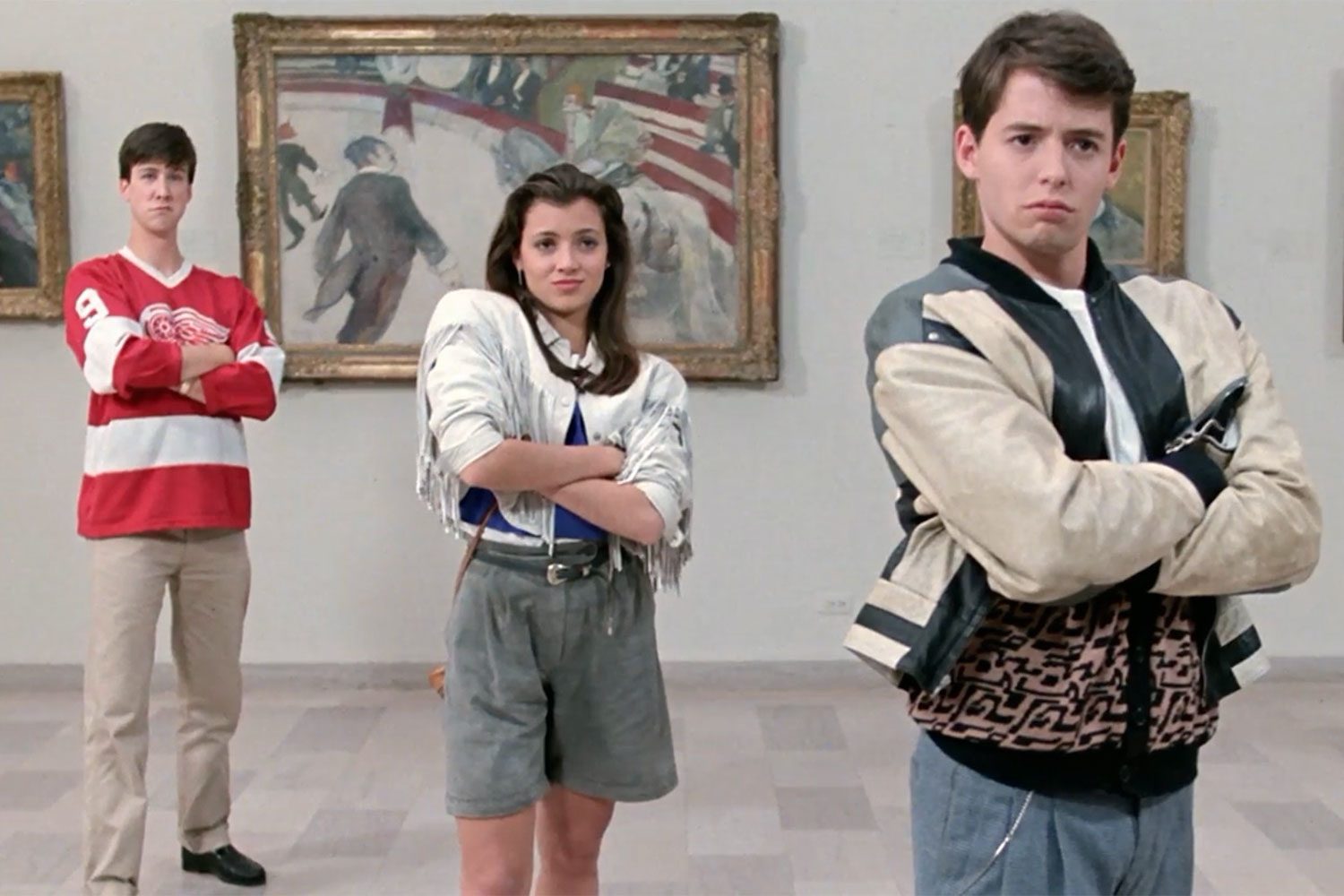
Gaining a clear understanding behind the disrespect is the first step toward effectively dealing with it while keeping your relationship with your teen intact.
First off, as you’re already aware, the adolescent years are a period of tremendous growth, especially in the teenage brain. According to a study published in the Journal of Adolescent Health, the teenage years involve a tremendous transformation of the frontal lobe of the brain that’s responsible for decision-making.
Remain calm
This suggestion might be the most difficult at times. Nonetheless, remaining cool under the pressure of dealing with an irritated teenager is important to resolve the situation. Losing your temper might only serve to escalate the situation, and depending on what seemingly incited your youngster’s edgy response (i.e., wanting to borrow the car or explaining a bad grade), you’ll need a cool head to think clearly about how to deal with root of the situation.
Establish clear rules
Believe it or not, teens want structure. Establishing clear rules gives a sense of stability and lets a teen know exactly what to expect. In fact, doing the opposite of setting rules or being inconsistent about boundaries only contributes to confusion or even insecurity for your teen. So, by setting rules and including your children in this discussion, you will foster more family harmony because everyone will be on the same page — or at least aware of it.
Focus on the actions — not the person
When your teen resorts to disrespecting you, it’s quite difficult to not take it personally. Therefore, you’ll need to maintain your focus on the behavior itself.
More than likely, when you’re met with sarcasm or a slammed door, your kiddo could be taking a disappointing event or a loss out on you. Make no mistake. This does not excuse the behavior, but when you address the action itself, for example, by reminding your teen that doors are not slammed in this house, or that shouting is not appropriate, then you’re shifting the attention to the habit that needs to be changed as opposed to the person. This also prevents your teen from being defensive and going into argument mode.
Give positive reinforcement

If you’re trying to teach teenagers to respect parents, then it’s time to reinforce good habits. Whenever your teen makes a conscious choice to talk calmly with you about a potentially contentious matter and even manages to listen, give him or her some props for behaving maturely. When they know that you are aware that they are trying to make a wise choice, they will let their guard down about communicating with you, which in the long run will foster more open and honest conversations.
Set and consistently use consequences
On the other hand, when conversations go south, and the disrespect makes a comeback, you’ll need to apply the consequences.
This is uncertain territory for both parent and child. For starters, the teenager is testing you to see if you will follow through with denying the screen time or withholding the car keys after having just been rude. At the same time, you’re weighing the pros and cons of grounding for the weekend and then having to spend the next 72 hours with a sulking adolescent.
Again, it’s a challenge, but you’ll need to remain consistent and remember that boundaries equal stability. The punishment doesn’t have to drag out for weeks and should not be too harsh. That would take away from an opportunity for your kiddo to learn from the action and consequence. Also, allow the consequence to speak for itself rather than rubbing it in with an “I told you so.”
What to avoid
Basically, when applying these hints to dealing with your teen’s disrespect in a constructive manner, there are a few practices to avoid such as:
- Sarcasm
- Bad timing
- Constant nagging
- Arguing
- Lecturing
All in all, the teen years may be some of the most tumultuous, but both of you will survive and even come out of it stronger in the end.