It’s hard to watch when your little one is feeling under the weather, but once they start to spike a fever it can cause parents to worry. Fevers are usually the body’s way of fighting off something by raising the body temperature to a level that kills germs. Caring for babies and wondering what to do when they’re too young for medicine can be very trying for parents, but there is information that can help.
Knowing what warrants a call to the doctor or a trip to the hospital will leave you prepared in case your baby does get a fever, and if your baby does have one, you’ll know how to help make your baby comfortable and try to bring the fever down naturally. That will make you both feel better. Keep reading to find out what to do when your baby has a fever.
What are fevers and their symptoms?
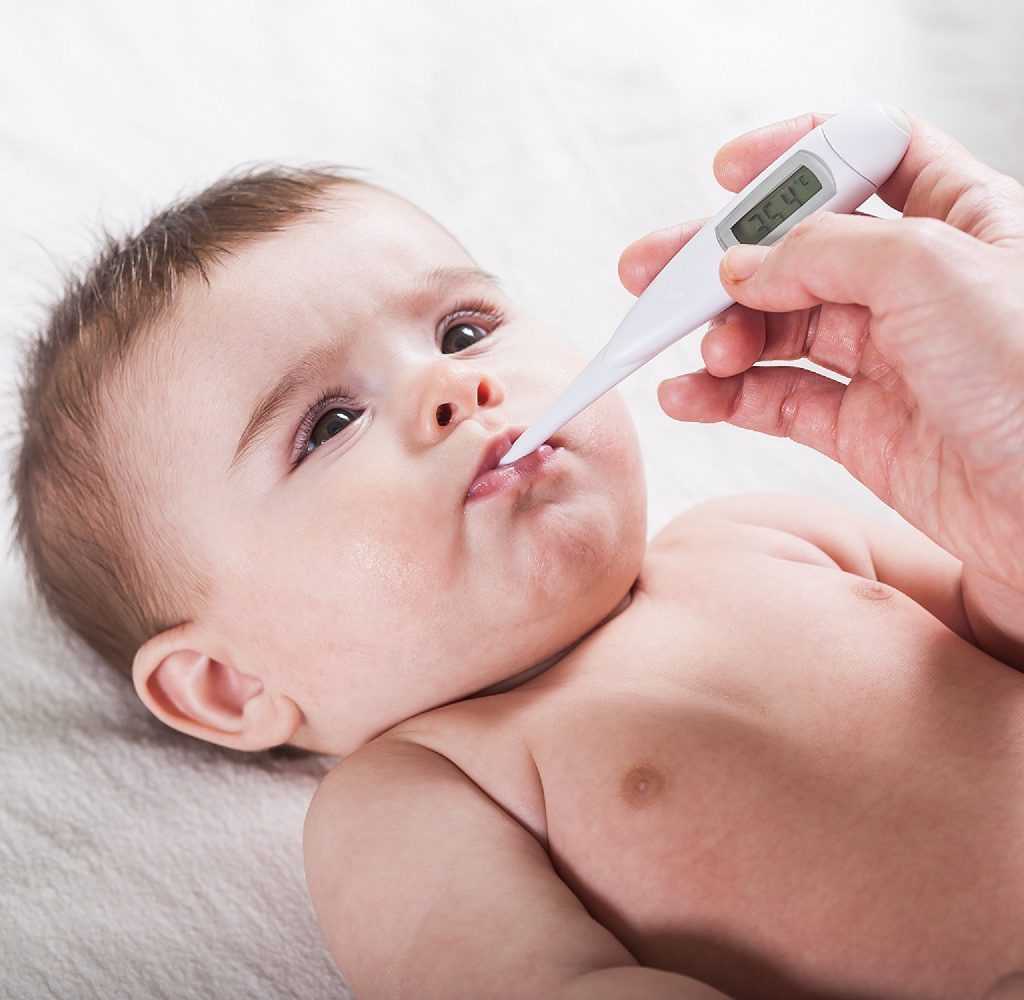
A true fever is a temperature of 100.4 degrees Fahrenheit or higher taken by the ear, forehead, or rectum or an armpit temperature of 99 degrees Fahrenheit or higher. (Note that ear temperatures are not accurate before six months old.)
Fevers are usually caused by new infections, mostly viruses like colds and flu. Viruses cause 10 times more infections than bacteria. Your child may have other symptoms that go along with the virus, like vomiting, coughing, and congestion. Fever often comes on first, followed by other symptoms lasting several days longer.
A fever does not typically cause crying on its own. If a child is crying often with a fever, this is probably caused by pain and not the fever.
How long do fevers last in babies?
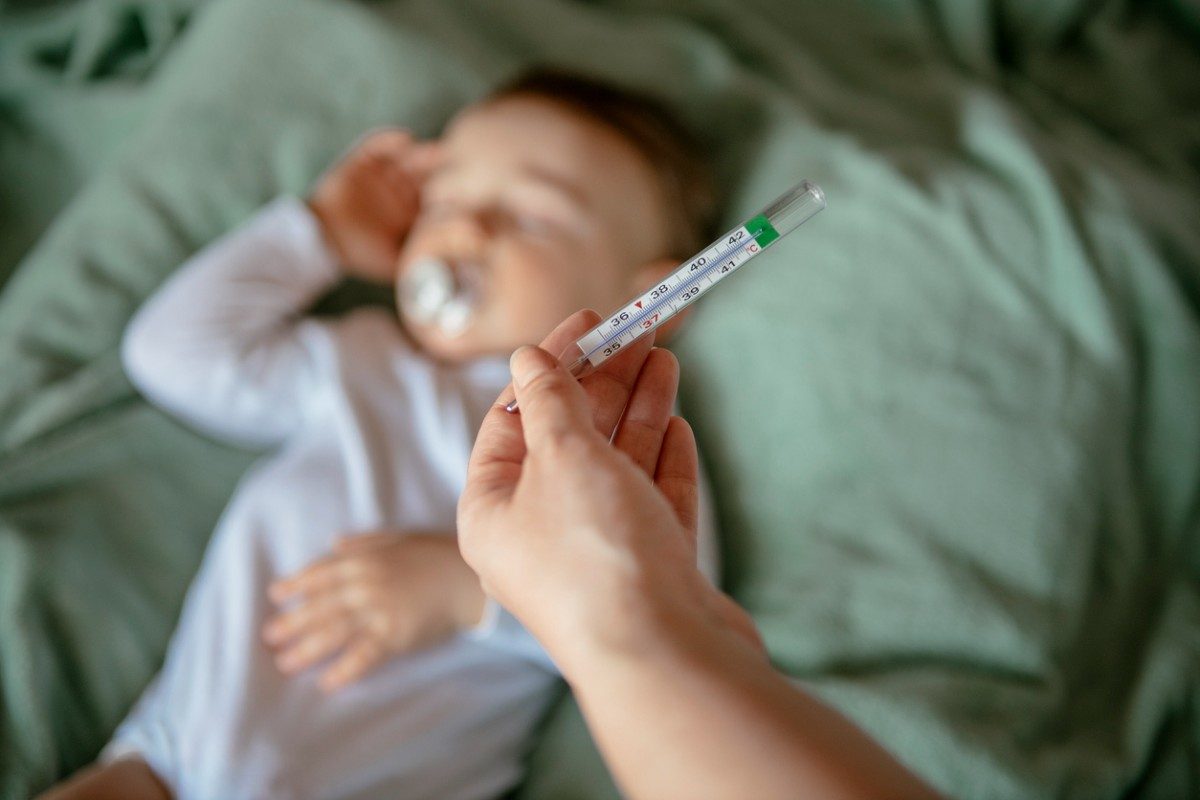
Fevers last fewer than five days. If your child’s fever lasts longer than five days, call a doctor. However, in young babies, fevers can be very serious and you should contact your doctor much earlier than the five-day mark, potentially immediately.
If the fever is a reaction to a recent vaccination shot, it usually lasts two to three days. Throughout the time the fever lasts, keep your baby hydrated and rested. Your child is likely contagious during the time of the fever if it’s from a virus and should stay away from others as much as possible.
When should you worry about a baby’s fever?
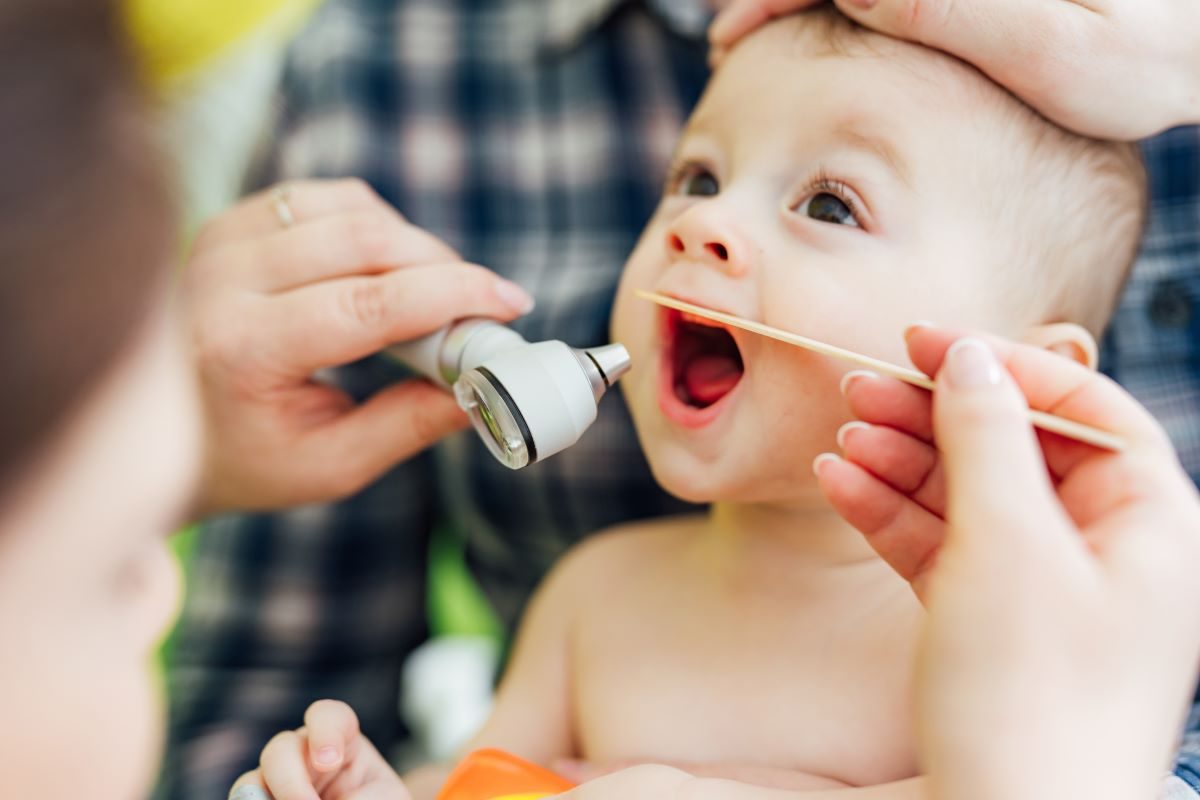
It depends on your baby’s age. If your baby is under three months old, a fever can be a serious cause for concern and you should call the doctor right away. If your little one is 3 to 6 months old, call the doctor within 24 hours. If your baby is 6 to 12 months old, call the doctor if the fever lasts more than 24 hours.
According to Cleveland Clinic, these are the situations when you should go to the ER or the doctor:
- An infant younger than 3 months of age develops a fever.
- Your child’s fever lasts more than five days.
- Your child’s fever is higher than 104 degrees Fahrenheit.
- Your child’s fever doesn’t come down with fever reducers.
- Your child is not acting like himself, is difficult to arouse, isn’t wetting at least four diapers per day, isn’t taking in enough liquids, or you are concerned.
- Your child was recently immunized and has a temperature above 102 degrees Fahrenheit (38 degrees Celsius) or a fever for more than 48 hours.
In many cases, your baby will be fussy for a few days and then back to normal. It can be concerning to see him upset, but remember that you also are unhappy when you have a fever and that it will pass.
Is medicine safe for babies?
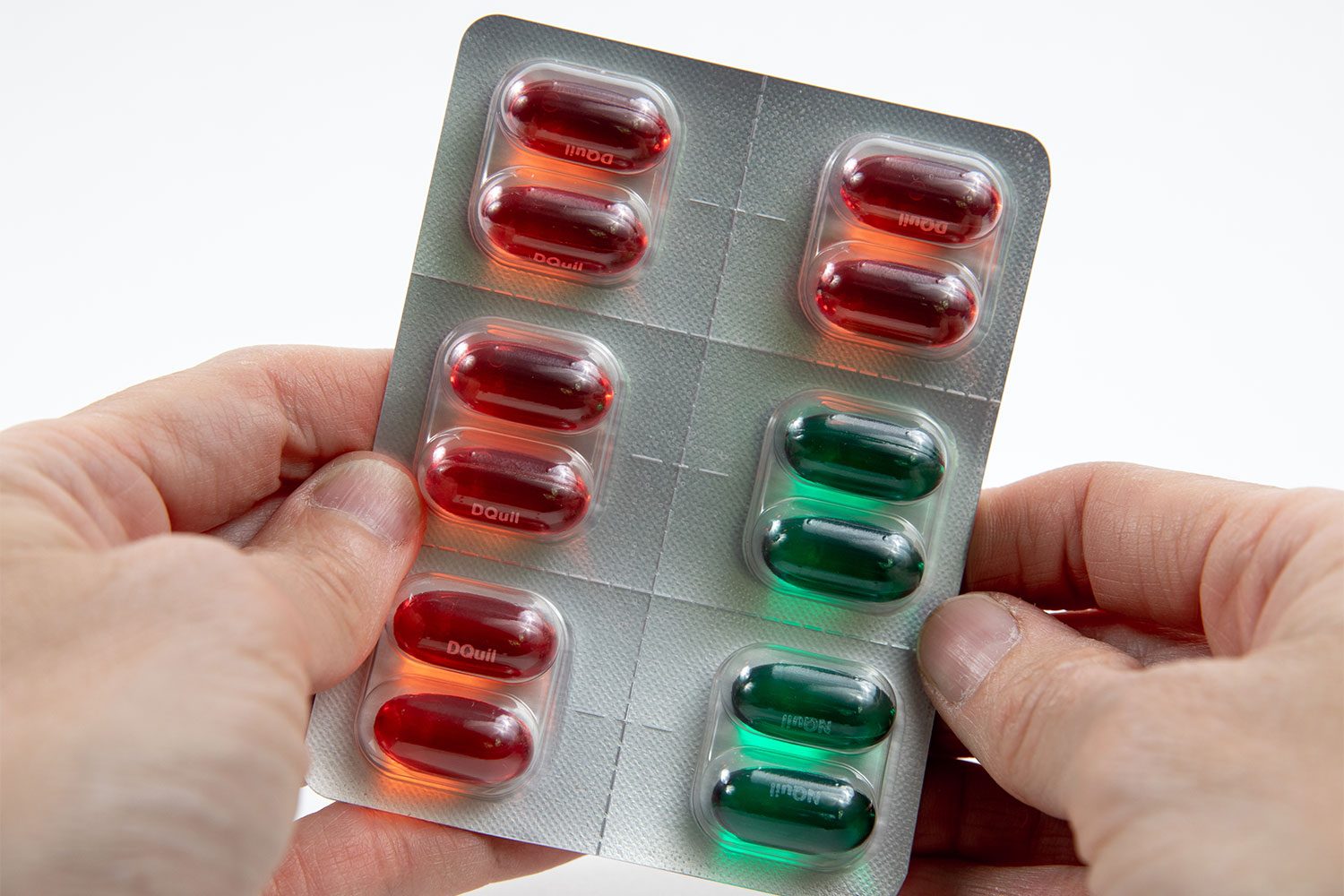
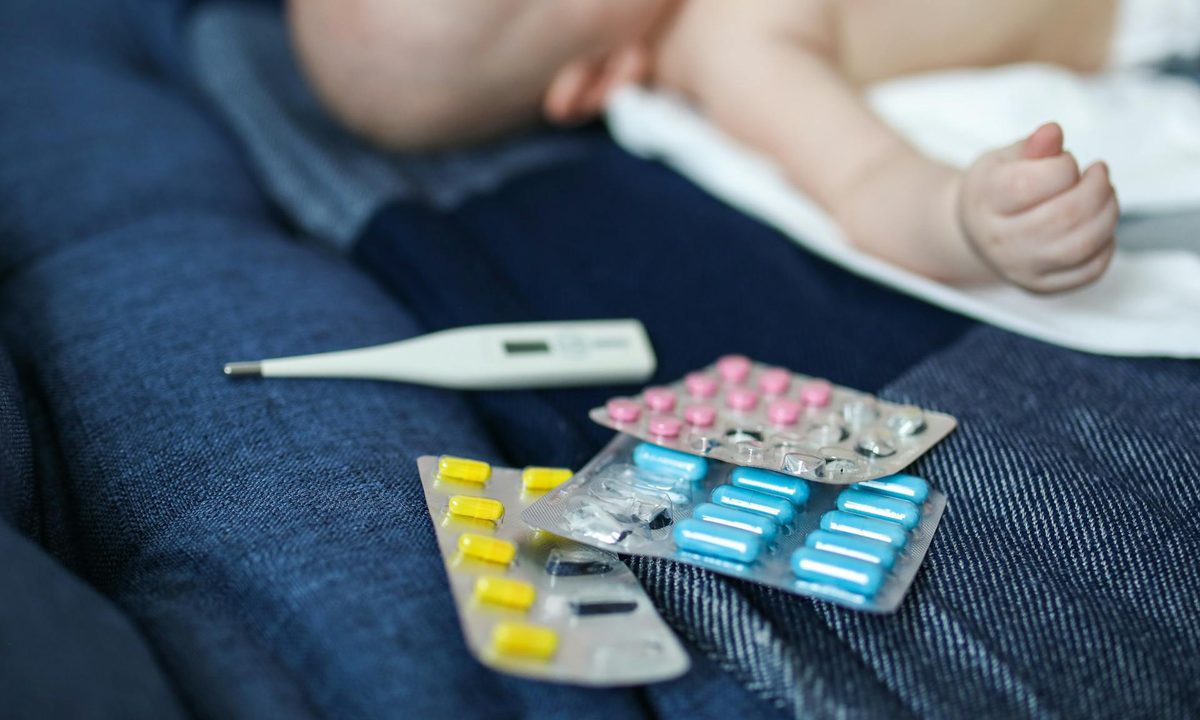
When adults feel under the weather they don’t hesitate to grab some over-the-counter medicine to make themselves feel better, but is that safe to do with your baby? The good news is that babies over the age of 3 months can be safely given acetaminophen (Tylenol) to help bring down their fever. Unlike adult dosage, infant and children dosage of acetaminophen is done by weight, so you’ll want to ensure you have an accurate weight to ensure you are giving your baby the proper dosage.
If your baby doesn’t seem uncomfortable or bothered by the fever, you don’t have to give them anything, but if they are fussy or uncomfortable, medicine may help them feel better temporarily. Babies under the age of 3 months shouldn’t be given any medicine unless advised by your doctor.
How can I reduce my baby’s fever naturally?
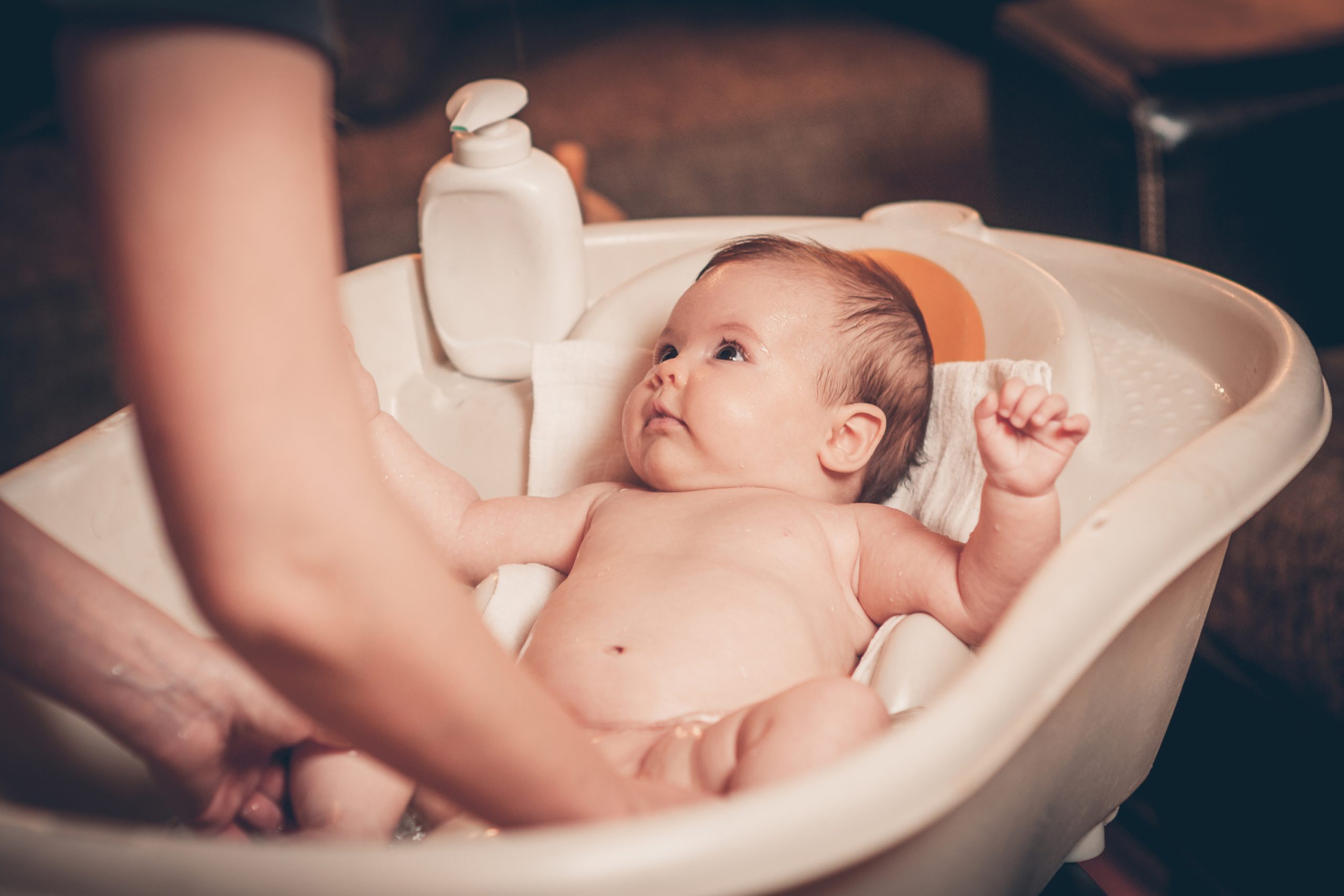
To make your baby feel better when she has a fever, here are three things you can do:
- Put a cool compress on her head.
- Give her a lukewarm bath or a cool sponge bath.
- Give her a popsicle to eat. If she’s a baby, she can have a breastmilk or formula popsicle. If older, she can have a Pedialyte popsicle for hydration.
However, do not give your baby an icy cold bath. That can drive up the fever, not to mention be painful.
Fevers give us a clue that something is wrong, but we don’t always know what. All we can do is treat the symptom for a while and watch and see … and keep the pediatrician informed and follow expert advice. If your baby is under a year old, especially if he’s under six months old or spiking a high fever, call right away.