
The second you find out you are pregnant, one of the first questions you have is if it will be a boy or a girl. Some parents want to have everything ready beforehand, and others might want to know if they are having their third girl in a row. When do you find out the gender? This is when the doctor can tell you what your baby will be in case you want to have their entire wardrobe ready before the birth.
When you can find out the gender
Whether you want to know so you can have a gender reveal party, want to customize the nursery, or cannot wait until the birth to know if you are having a boy or a girl, when you find out the gender is a question all parents want to know.
Even though you’re going through morning sickness, starting to feel tired all of the time, and are starting to grow out of your regular clothes, you cannot find out the gender of your baby for a while. Your little nugget needs weeks and weeks to grow all the parts that come with being a girl or a boy.
While a fetus does start to form gender parts as early as 6 weeks, there would be no way to see that on an ultrasound or safely test that early. Even as far as 14 weeks along, it could still be difficult for an ultrasound technician to determine the sex. You will have to wait until around the halfway mark — anywhere from 18 to 22 weeks — for the tech to accurately figure out the gender.
Old wives’ tales
Please keep in mind that while old wives’ tales are fun, they are not a gender reveal analysis to go by. Things like craving salty snacks means a boy, morning sickness means a girl, or if you carry low, it’s a boy, are all people could go on back before testing. It doesn’t mean it was a great predictor. But it is interesting to see if any are right, so test them out as an experiment.
How to find out the gender
While there is no magic wand to tell you the gender, there are tests that can figure it out. They all come with risks and should be discussed with your doctor.
Genetic testing
If you have a family history of certain genetic conditions, you may have to go through testing anyway. A chorionic villus sampling will look for abnormalities and possible disorders, but it also reveals the sex of the baby in only a few days.
This test is 99% accurate and is done as early as 10 weeks, but it is also invasive. It should only be done if ordered by the doctor if the parents have concerns about your family’s history of conditions. This one is more for women who already have to have the test, they can find out the gender in about 2 weeks.
Prenatal testing
You could have cell-free DNA testing, which is a non-invasive way to determine the sex. This is a blood test normally done to detect Down syndrome, but it will also reveal the gender. The test is 95% to 97% accurate and can be performed at 10 weeks, but it takes up to 10 days for the results to come through.
Amniocentesis
Testing for amniocentesis is done between weeks 15 and 20 with results as soon as 7 days, and has an almost 100% accuracy rate. The test is to look for genetic abnormalities, so it shouldn’t be done solely for gender reveals.
Non-test ways to find out gender

IVF
When doing IVF, it is possible to determine the sex of the baby beforehand. It has an almost 100% accuracy rate since it is all being done in a lab using preimplantation genetic testing.
An ultrasound
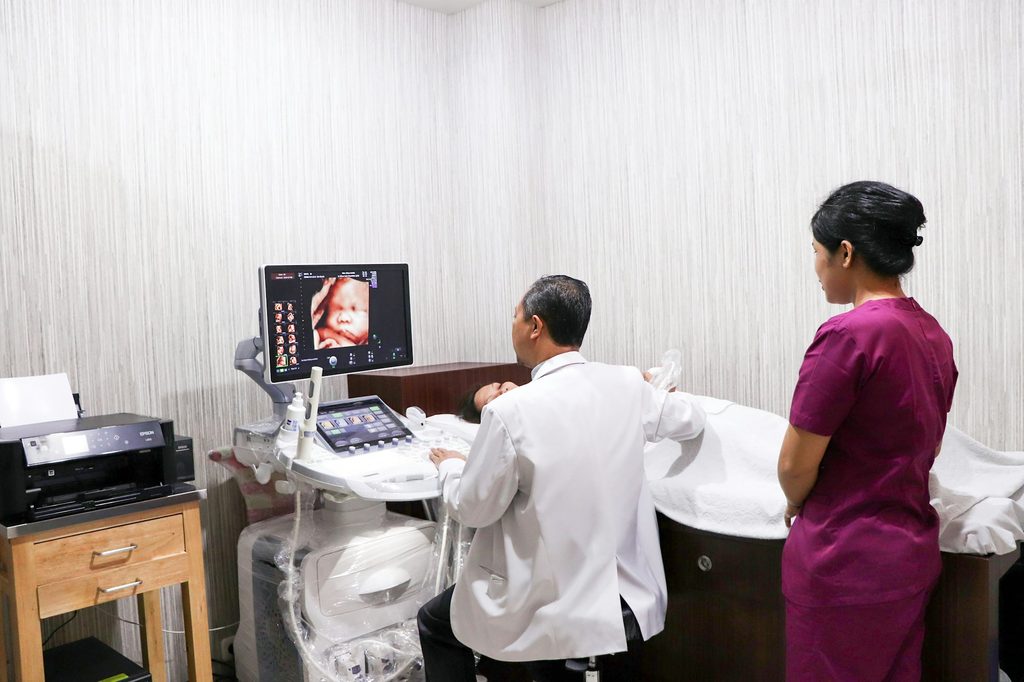
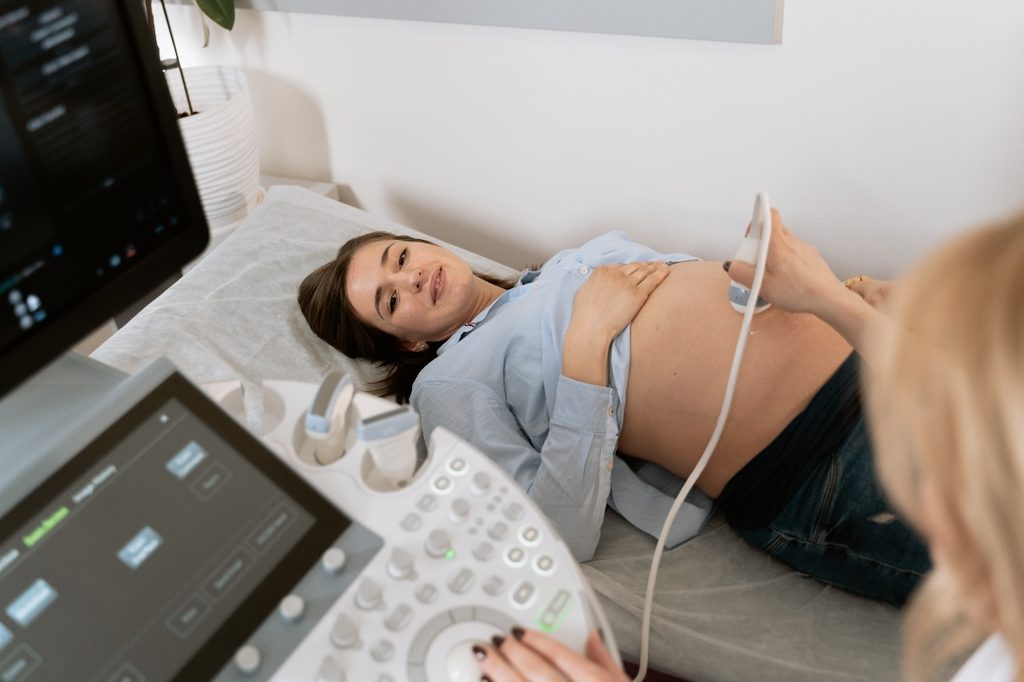
The good, old ultrasound. This is how the majority of females find out the gender of their baby. The anticipation of waiting for the ultrasound tech to find that little peanut in there and figure out the gender is one appointment you never forget.
The 14-week appointment is when you can find out the gender, but the anatomy scan usually isn’t done until week 18. The only thing to remember about an ultrasound is that it’s performed by a human, and mistakes can be made. This technique carries an accuracy rate of 97% to 99%, which still isn’t bad. It is also the coolest and most exciting experience to see your baby on the monitor while waiting to know the gender.
You can find out you are pregnant as early as 10 days after unprotected sex, but you will have to wait quite a few more weeks to be able to find out the gender. Don’t paint the nursery just yet, and have a backup name ready in case the baby isn’t the gender you think it will be. As long as it’s a happy, healthy baby, the gender doesn’t matter. But if you are too excited to wait until the delivery, you will have to be patient until at least until week 18 if you wait for the mid-pregnancy check ultrasound.


