Modeling is a highly demanding occupation that can offer you and your family both challenges and opportunities. It is not easy to say whether or not your child should begin a career in what can be a very tough industry. For starters, you need to ask yourself if it is your or your child’s ambition to succeed as a model.
The benefits of modeling
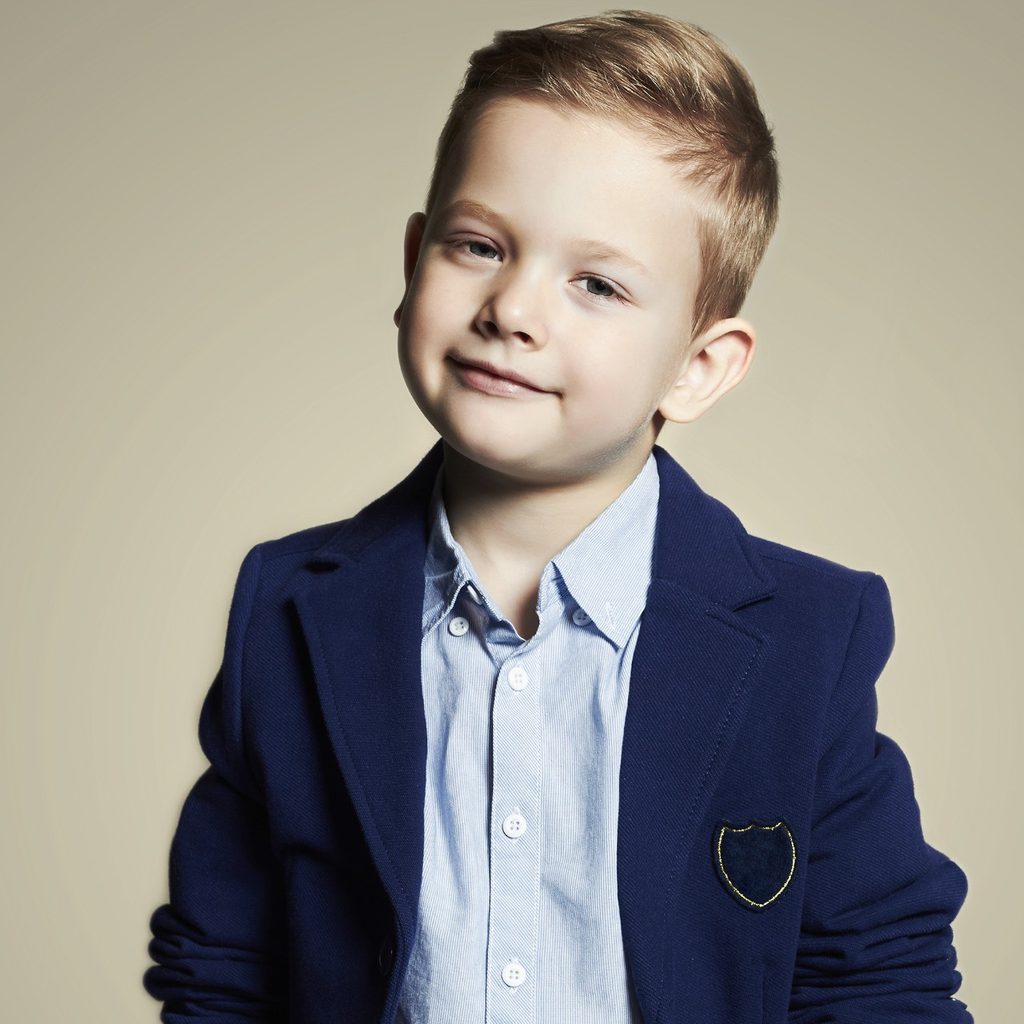
The benefits of child modeling careers are plentiful, and they have been enjoyed by many young people, even if the industry is often portrayed in a negative light. For starters, being a model can teach your child about hard work, discipline, and pushing through when life becomes challenging.
The reality is that modeling is a job. Jobs can teach children many valuable ethics, morals, and skills they might not receive otherwise. Modeling can help your child to learn more about exercise, nutrition, and the soft skills of communication that are useful for other areas of life. He or she might also develop a regimented approach to life that is necessary to maintain focus on whatever projects are most relevant.
Modeling is often said to focus on perfection. While there can be negatives associated with wanting to be the best, this kind of aspirational interest can also be quite positive for young minds. Pursuing a career in modeling could teach your child some valuable lessons. Of course, as a parent you will need to ensure your child’s modeling career is not overly tough or demanding, so they can succeed in a positive, healthy way.
Why are so many young families interested in modeling?
Modeling has always been a popular aspirational profession for those who consider themselves beautiful. Today, with influencers dominating social media and commanding huge earnings, it’s not hard to understand why so many families are interested in getting their children involved with the modeling industry. Beautiful people make wonderful models, right?
Unfortunately, beneath the facade of money, success, and perceived power, modeling is a very demanding industry that often reinforces habits that are anything but healthy for the successful development of your child. While you might have friends or family involved with this industry who tell you how much their children love to be part of it, you should really think twice before pushing your little ones into something that you or they might regret later in life.
It’s true that many families do enjoy success in the modeling industry, but there also are many stories of negative outcomes. Glitz, glamour, and earning an income from your child’s good looks might sound attractive but can create many difficulties if you are not realistic about what is best for your family.
Is modeling your dream or the dream of your child?
If you just can’t get enough of the world of high fashion, the gossip of Hollywood, and the potential to strike it big thanks to the success of your child, you should really consider if pushing your family toward something they do not want is the healthiest choice. If your children live and breathe fashion and are truly motivated to succeed in a tough industry, there is nothing wrong with supporting them as long as it doesn’t mean they lose out on other friends and activities.
The reality is that working as a child is not simple, easy, or fun for many young people. Having to miss friends, skip school, and sit through demanding work sessions can create a great deal of emotional distress. That’s not to mention the demands placed on your child, such as how to eat, dress, or act a certain way. These expectations could negatively impact their growth and development. Modeling could easily take your child’s focus away from their education and other elements of positive development.
If being a model truly is your child’s dream, then it is hard to be the kind of parent who simply says no and crushes that vision. On the other hand, if you are pushing your little one toward something because of your ambition or desire to earn money through them, hopefully you will reconsider. Your children deserve to be enriched in a variety of exciting ways. Modeling could be a part of that, but it will likely create unforeseen challenges. You and your family need to be smart about your decisions if you are going to get involved with something like this.
Being a parent means guiding, nurturing, supporting
If your child really wants to be a model, is willing to put in the effort, and you have the time to support them, who’s to say what will come of it. You could be sitting across from a superstar in the making and nurturing that dream could help bring the two of you closer together. Much like their interest in a karate class, ballet phase, or love of heavy metal, your child’s modeling career might be short lived. That’s OK, though. Some of the most important parts of being a kid are exploring new ideas and identities, trying out new opportunities, and learning from doing. Just because a modeling career doesn’t work out doesn’t mean that you and your family won’t have constructive learning moments as a result of trying.
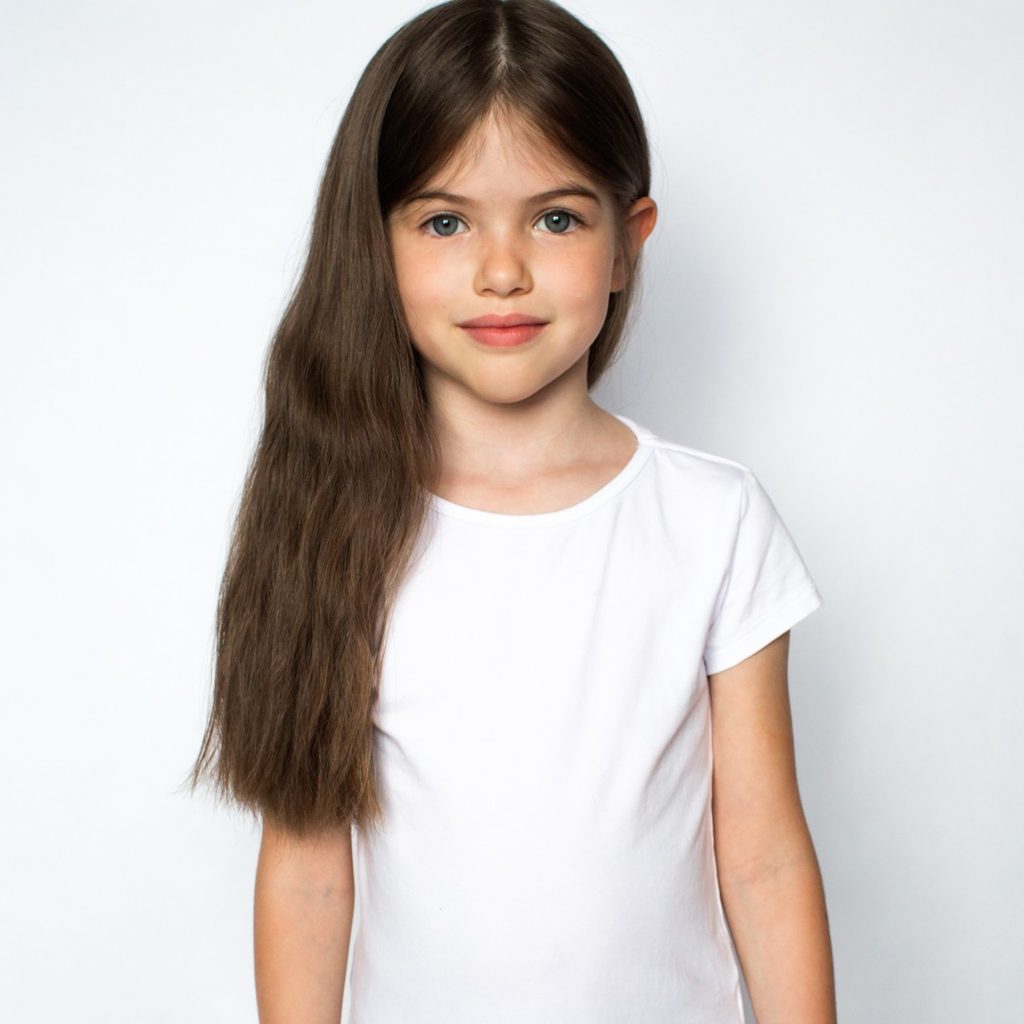
Modeling could be an exciting new career for your child or something that teaches them a valuable lesson. Success in modeling is not simple or easy. Your family will need to be a strong unit to support your child’s ambitions. Ultimately, a modeling career is a very personal topic that needs to be discussed between the members of your family. If you are still struggling to find an answer, consider consulting a medical or mental health practitioner. Sometimes complex topics and discussions like this become easier with the input of licensed professionals.