  1. Home
  2. Activities
  3. Evergreens

Why kids need yoga as much as you do

How teaching your child yoga can help them

Add as a preferred source on Google
Mother and daughter doing yoga together
Ketut Subiyanto / Pexels

Those who have practiced yoga either regularly or even occasionally know the benefits it has on the body. The practice of yoga has a lengthy history. Its origins are thought to have begun about 5,000 years ago in India, but some researchers think yoga goes back even further. While researchers may not be able to agree on when exactly yoga became a thing, the pluses of adding the practice into daily life aren’t in dispute. Physicians have long touted the benefits of yoga in helping adults manage stress, insomnia, arthritis relief, heart health, and more.

So, if practicing yoga as an adult is great for overall health, what are the benefits of yoga for kids? It turns out that doing yoga with kids and introducing them to the practice is just as beneficial as adding it to your personal fitness routine.

Recommended Videos

Yoga with kids

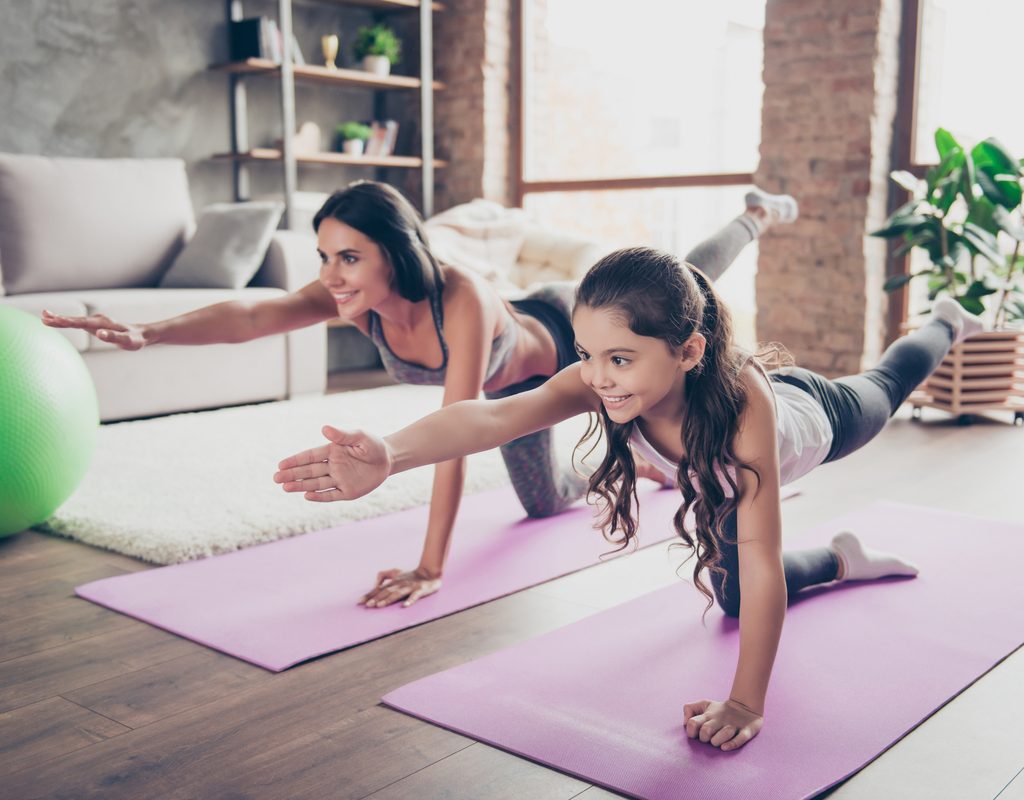
Mom and daughter doing a yoga workout
Roman Samborskyi / Shutterstock

Yoga has found its way into classrooms across the United States and the results have been favorable for kids and teachers. Studies have shown starting the school day with a good routine helps improve academic performance, and reduce anxiety while helping with behavior problems. If doing yoga at school helps kids in the classroom, what can the ancient practice do for children at home?

Benefits of yoga for kids
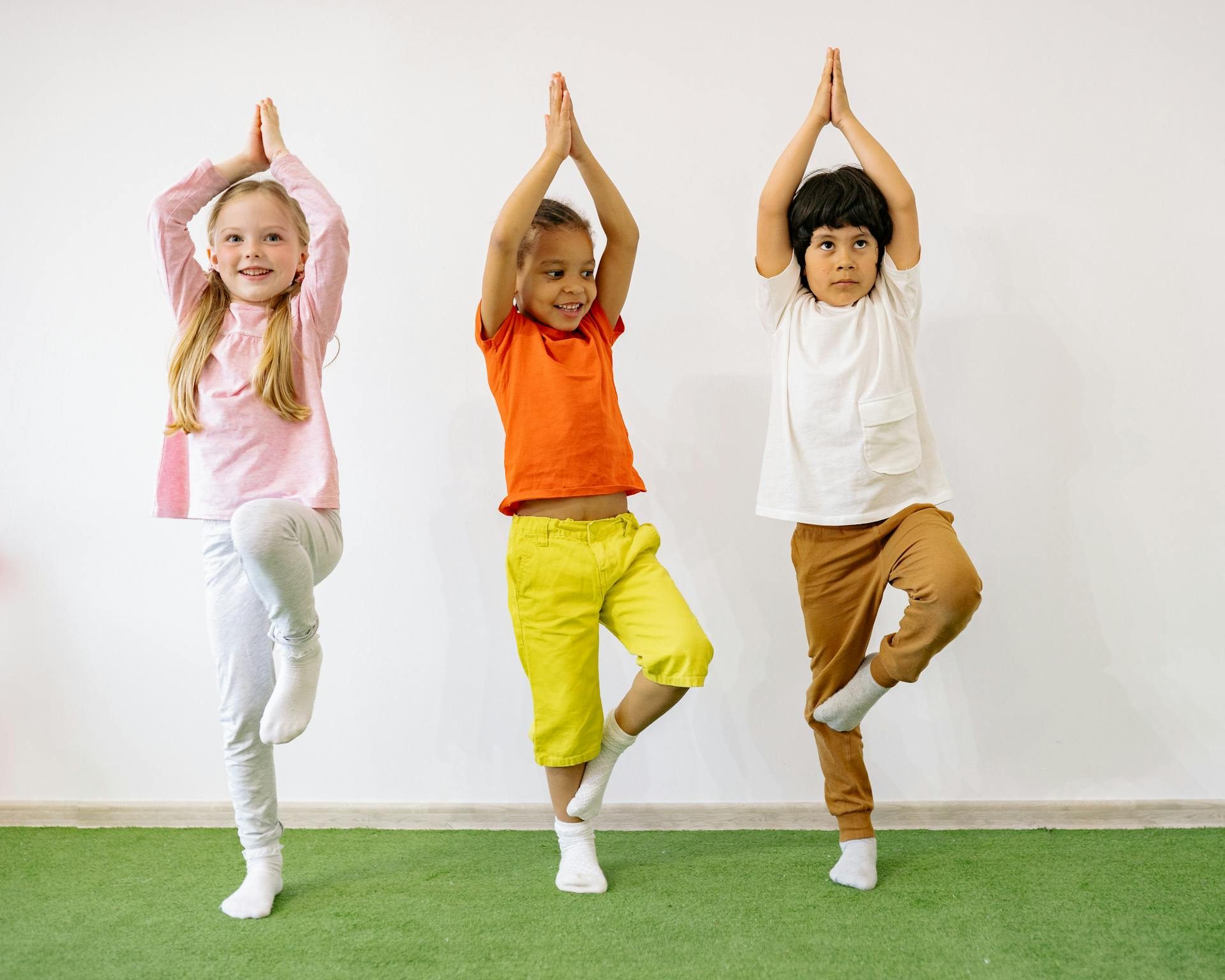
Young children doing yoga together
Yan Krukau / Pexels

Just like adults, regularly practicing yoga with kids goes a long way in improving their physical and emotional well-being. Of course, doing yoga is a form of exercise. Yoga strengthens and tones muscles while increasing flexibility. It also improves balance and endurance while working the heart. On the flip side, regular yoga practice has been shown to help kids manage stress and anxiety. Yoga also improves focus which has benefits in and out of the classroom.

Jessica Mei Gershen has been teaching yoga to kids at New York’s Brooklyn Yoga Project. A certified yoga instructor, Gershen has been practicing yoga since 2002. She started doing yoga because of back pain due to scoliosis. Through the Brooklyn Yoga Project, Gershen brings yoga into the lives of kids of all ages.

“Yoga is really effective because it’s so tangible,” Gershen said. “Learning physical postures builds confidence and strength as well as the mind-body connection. Through yoga, kids start to realize that they are strong and then are able to take that strength, confidence, acceptance, and compassion out into the world.”

Practicing yoga

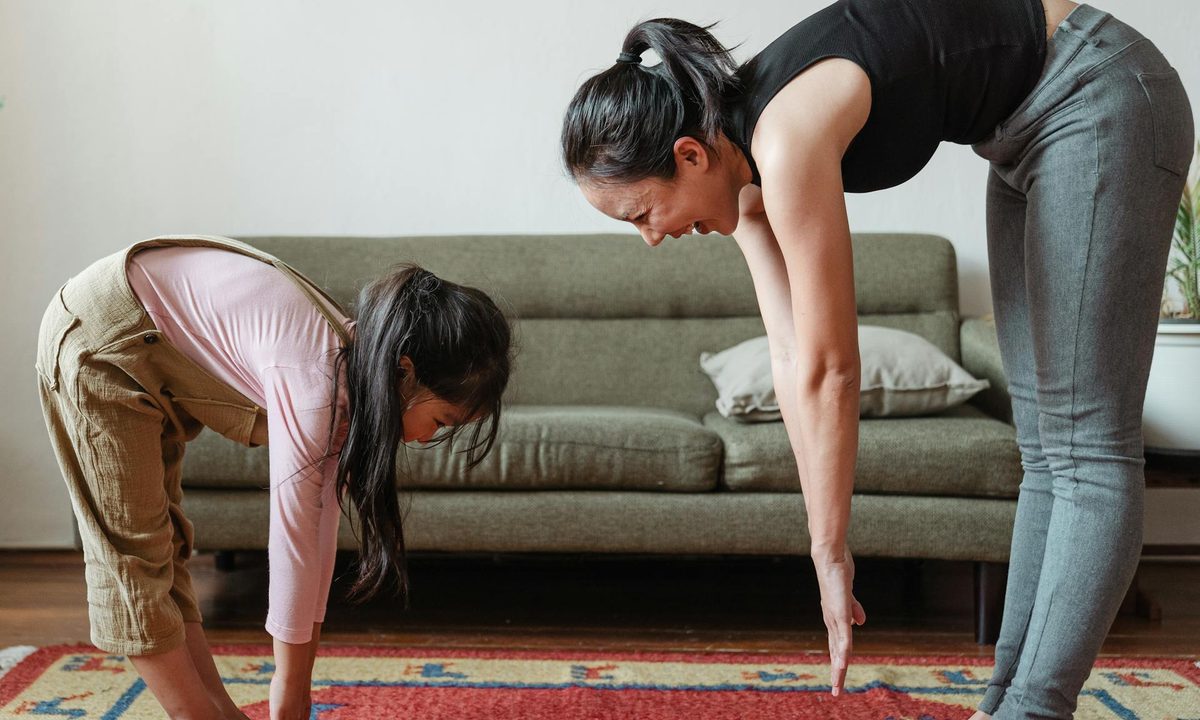
Mother and daughter practicing yoga
Valeria Ushakova / Pexels

Even though yoga has been around for centuries, the practice didn’t really take hold in the United States until the 70s. Today, the percentage of adults and kids who do yoga has increased. A 2012 survey by the National Health Interview said 94% of yogis got involved with the discipline because of health reasons.

Yogis reported in the survey that practicing yoga regularly encouraged them to exercise more and eat healthier while improving sleep and reducing stress. So, why wait until there’s a health issue to bring yoga into your life?

Why kids need yoga as much as parents
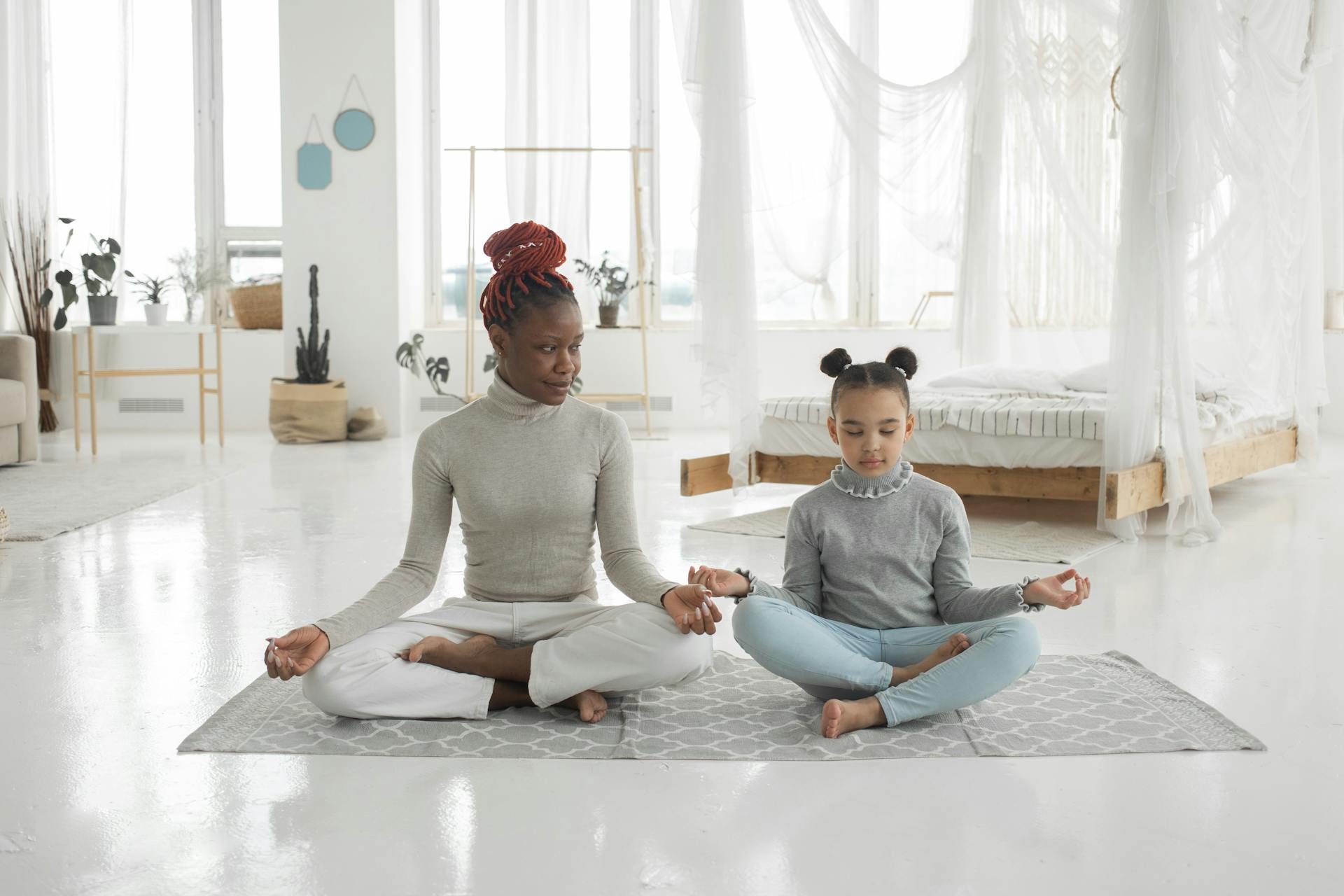
Mother and daughter practicing yoga
Monstera Production / Pexels

Over the years, multiple studies have shown that yoga is great for the mind and body. Many adults turn to yoga to help when a problem crops up like a bout with insomnia or battling a bad back. Life is stressful and incorporating regular exercise into the day is just as important for the kiddos as it is for parents and caregivers.

Doing yoga as a family can be an ideal way to spend quality time together while benefiting the body and the mind. Yoga, unlike some forms of exercise, is accessible to all ages, and learning the practice along with your children puts them and you on the road to a healthy lifestyle.

How to introduce yoga to kids
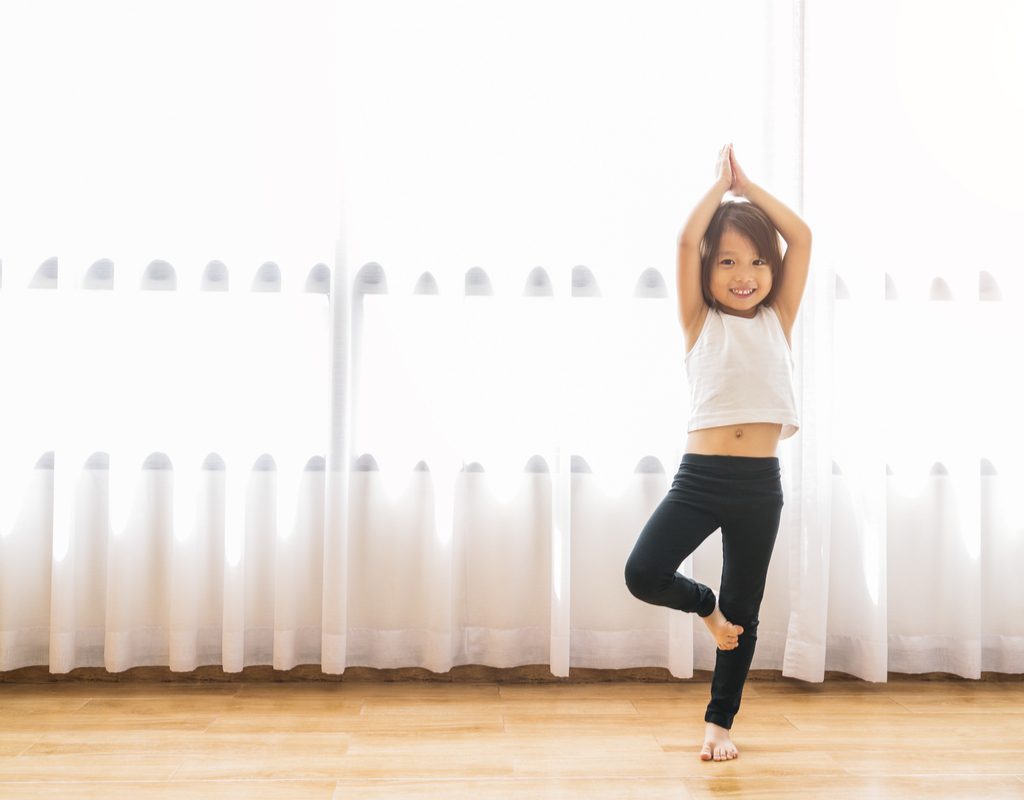
little girl doing yoga poses as an exercise warm-up
People Image Studio / Shutterstock

Like anything else with children, introducing kids to yoga is best with an element of fun. Gershen recommends keeping yoga practice with kiddos “playful”. Thankfully, there are quite a few YouTube videos to help. Yoga with Adriene is a popular online yoga series. The yoga instructor has a Yoga for Kids video that parents and kids can do together to introduce them to the practice in a fun way.

Cosmic Kids Yoga is used by some physical education teachers. Thanks to YouTube, parents can take advantage of this upbeat yoga series for kids at home, too. The short videos introduce everyone to different yoga poses in a fun way.

What’s the best age to start?

Three girls practicing yoga and meditation
Gabby K / Pexels

Kids can start observing and practicing yoga at any age, as yoga can easily be modified to age and skill level, but many experts suggest that around 4 to 6 years old is an ideal time for kids to really start to practice. This is when children can more easily follow directions and instructions and enjoy practicing yoga.

Introducing yoga early can help children improve their flexibility, balance, and coordination, while also helping children to control their breath which helps with mindfulness and regulating their emotions. Ultimately, the key is to make yoga enjoyable and accessible, allowing kids to explore their bodies and minds in a supportive environment.

Materials
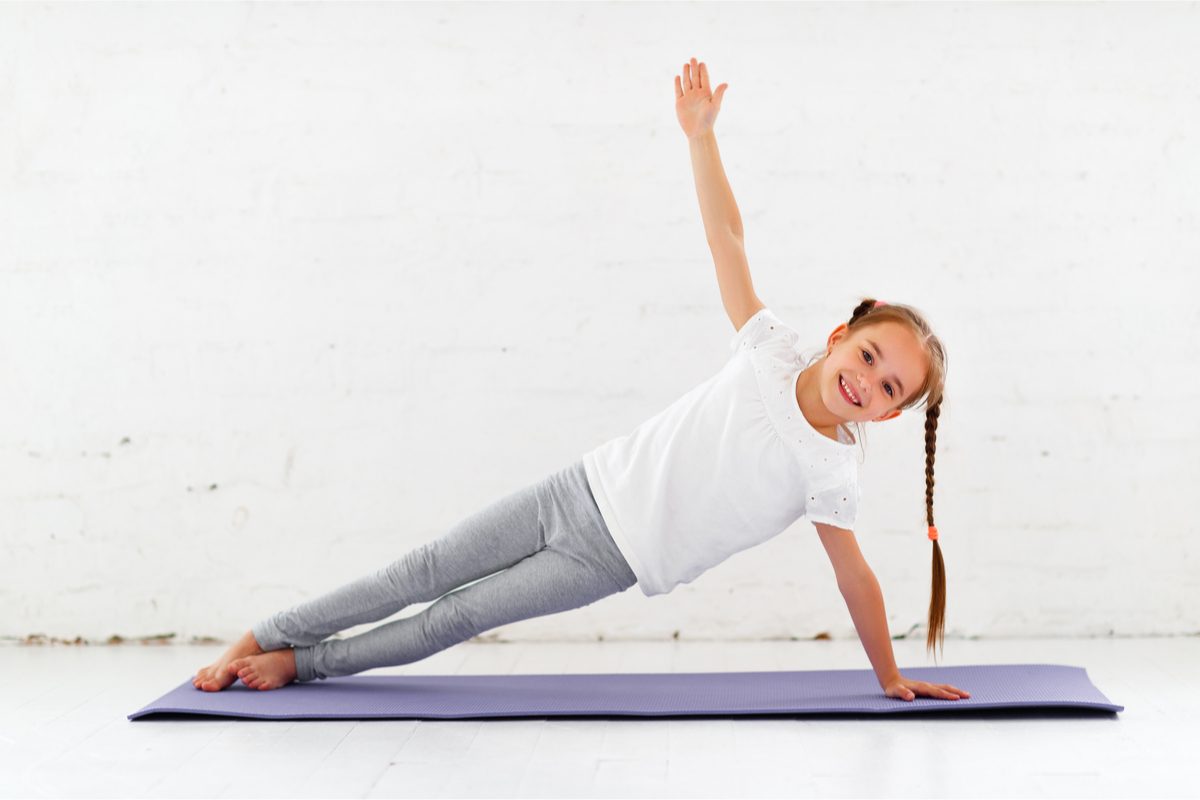
Young girl doing yoga
Evgeny Atamanenko / Shutterstock

Starting a yoga routine at home is pretty simple. All you need is comfy clothes, bare feet, and space on the floor. Parents and kiddos can certainly do yoga without a mat, but using a yoga mat does help prevent hands and feet from slipping.

Closing thoughts on yoga for kids
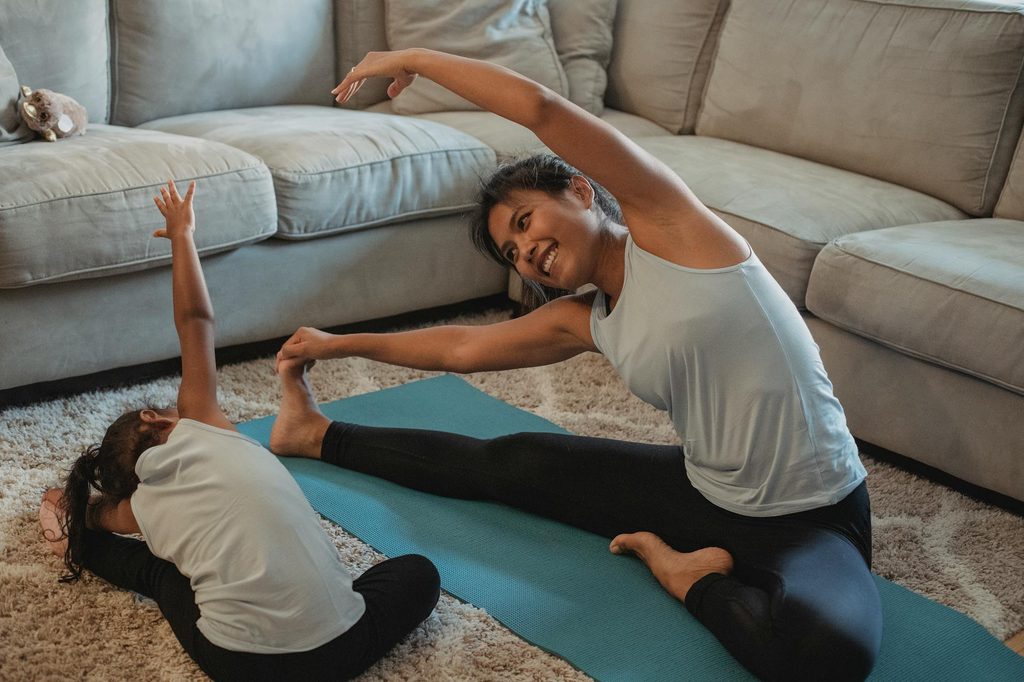
Mother and child doing yoga together
Kamaji Ogino / Pexels

Life is busy and stressful. School, work, homework, sports, and other after-school activities can make things a little crazy for the whole family, not to mention the other things happening in everyday life that cause anxiety. Bringing yoga into the house is a win-win for the adults and the kiddos in the family. Yoga is an age-old practice offering physical, mental, and emotional benefits for yogis of all ages.

Regular yoga practice improves overall health and focus while reducing stress. Kids who do yoga regularly do better in the classroom. With online videos, introducing the family to yoga is low stress, too. On the next family fun night, roll out the yoga mats, take off the socks, and namaste. Yoga sessions don’t have to be long either to reap the benefits. Practicing 10 to 15 minutes of basic yoga poses each day goes a long way toward enhancing the overall well-being of kids and adults.
Experts weigh in: Why YouTube isn’t great for kids
You may rethink screen time after you know what experts say about kids watching YouTube
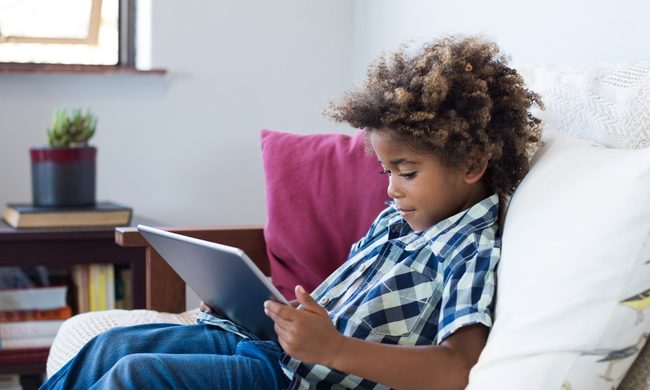
Young boy on an iPad

It's a parenting tale as old as time. You have things to get done around the house, but a small person who says they're bored is competing with your to-do list. And so, you do what many parents do in this stretched-thin situation. You turn on the television, hand over a cellphone, or put on YouTube. But when it comes to kids watching YouTube, is it doing more harm than good?

Screens can be "addictive," as noted by Dr. David Greenfield, founder and clinical director of The Center for Internet and Technology Addiction. He explains that they have a dopamine-producing effect, and many realistic pediatric experts agree that, while screens are a part of our modern lifestyle, moderation should be enforced, and limitations be set. Parents need to learn why they should be mindful of children watching YouTube and how to lay down the screen time law at home. We'll share some tips and words of wisdom from experts in the know.
Why screen time could be negative

Read more
The best low-stimulation movies for calming toddlers
Make sure movie time does keep your toddler awake
Cute toddler watching a movie on a laptop

Screen time isn't always a bad thing for toddlers. Sometimes, when your little one isn't feeling well, watching a soothing movie is a perfect pick. Low-stimulation movies for toddlers offer better quality screen time than movies that are loud and packed with action. Sure, those are fun and can be super exciting for kids, but the impact on their cognitive development is often negative. Those overstimulating movies can be too much for toddlers, leading to tantrums, meltdowns, and an inability to fall asleep.

Think about how difficult it is to fall asleep after watching a horror or suspense movie right before going to bed. Your mind is going in different directions, making it hard to relax and drift off to sleep. Well, it's the same for toddlers. So, what are the best low-stimulation movies for toddlers to watch and what exactly are they?
Best low-stimulation movies for toddlers

Read more
When should your baby be able to stack blocks? Here’s what to know
Know when babies can nest cups and balance blocks by themselves
A child playing with stacking blocks

When you’re a new parent, the moment someone gifts your child their first set of blocks, you become obsessed with baby learning and when they should be able to turn the blocks into beautiful creations of their imagination. While stacking blocks are an important developmental milestone for babies, it’s also one of those things that evolves with time and practice. Sitting down to play blocks with your little one is an open-ended game that teaches children physics, resilience, and fun. When can a baby stack blocks and nest cups on their own without your help? Here are some general guidelines so you know how to measure your child’s development with their gift of stacking blocks and how to help your child get the hang of it on their own.
When can a baby stack blocks and nest cups? By age

By 6 months old
At this age, your baby might not be ready to stack blocks the way you want them to, and that's okay. This doesn't mean you can't play blocks with your child or that you shouldn't let your child have fun figuring out what the blocks are. It’s perfectly normal for your 6-month-old to gnaw on blocks or simply hold one, just don't expect them to build the Eiffel Tower just yet.
By 12 months old
This is the stage of banging items against each other and blocks or cups are no the exception. If you offer your child blocks, there may still not be a lot of creativity yet. But keep in mind that knocking things down is a favorite activity of 1-year-olds, so your child is right on track if that's all they do. More likely than not, they’ll be happy to destroy any block tower you build. If your little one can’t get enough of knocking down a stack of blocks, rest assured that they’re right on schedule.
By 18 months old
When can babies nest cups? By a year and a half, stacking is the name of the game. After all, your little one is now officially a toddler and proud of it. If you haven’t done so already, this is a great time to introduce baby blocks. At this point, most kiddos are able to stack two or three blocks on top of each other with ease.
By 2 years old
Don’t be surprised if your baby’s block masterpieces start to get taller by age 2. With improved coordination, your child shows better stacking skills and may be able to balance up to seven blocks on top of each other. This is the beginning of sorting for many young children. If they’re now stacking masters, go ahead and challenge your budding genius to sort their blocks by color or separate them in groups.
By 3 years old
Free play takes a life of its own by age 3. At this point, blocks are much more than meets the adult eye. Your child’s imagination is flourishing, and they’ll start to build tunnels, bridges, or forts with just a few blocks. This is the perfect moment to introduce your toddler to teamwork. If the two of you work together, it’s easier to build tall towers and solve construction problems. Get your child's imagination to full speed and see what they create with blocks of all colors and shapes.
The benefits of stacking blocks

Read more