  1. Home
  2. Activities
  3. Stages
  4. Evergreens

Considerations for mountain bike rides with kids – read this before you hit the trails

Be prepared for your next adventure with your kids out on the mountain biking trails

Add as a preferred source on Google
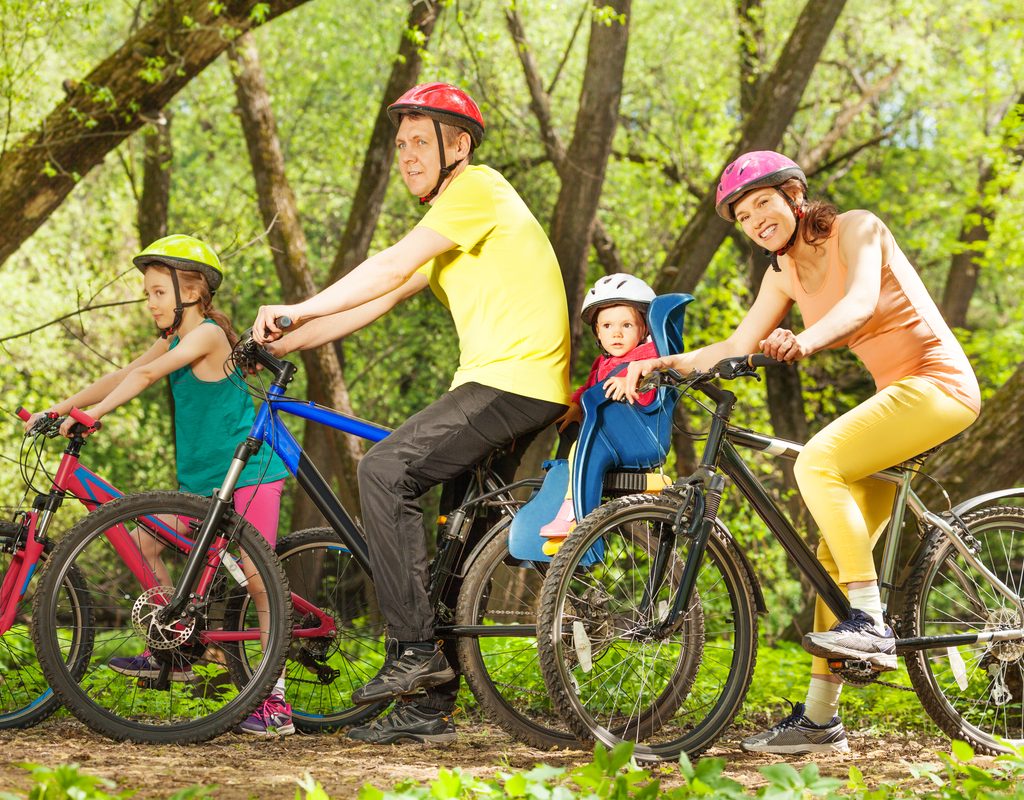
Family out for a bike ride in the woods
Sergey Novikov / Shutterstock

Once the weather starts turning to warmer, longer days, you may consider finding more outdoor activities to do with your kids. Mountain biking can be a great way to get your kids outside, enjoy nature, and get some physical activity.

However, expectations of a glorious day with your kids on the trails can turn miserable if you’re unprepared. Biking with kids is a different animal, and a few poor experiences can sully their perception. Before you and the kids strap on your helmets, throw your leg over your bike, and head out, ensure you’re heading into the best possible experience.

Recommended Videos

Mountain biking trails have ratings

Unless your child has been mountain biking for a while, green trails are usually the best option. Mountain biking adopted the same trail rating system as skiing — green circle: beginner, blue square: intermediate, black diamond: expert. But, it’s important to remember that not all green trails are the same, especially from city to city and state to state. Trail ratings are relative, and they are usually reflective of other trails in the area.

For the most part, green trails will be clear of obstacles like roots and rocks. What could be very different is elevation gain. One green trail may climb 70 feet in a few miles, while another may climb 400 feet in just a mile. Both are green trails, but one is certainly more difficult. Pay attention to the elevation gain when looking at trail maps.

A toddler boy riding a bike.
Evgeny Atamanenko/Shutterstock

Having a clear destination in mind when biking with kids

If mountain biking is something you do regularly, it is likely that the trail itself is your destination. You set out to ride because the trail is challenging and gets your adrenaline pumping. Sure, you might enjoy a great view here or there, but that is just a bonus. This isn’t always the case with kids.

When the fun of riding on a dirt trail wears off, having a destination for the kids to look forward to can save a mountain biking trip. Maybe you’re riding up to an awesome waterfall to hike around. Perhaps there’s a cool boulder patch they can climb on. Not only is this something to look forward to, but it gives the kids a nice break from being on their bikes.
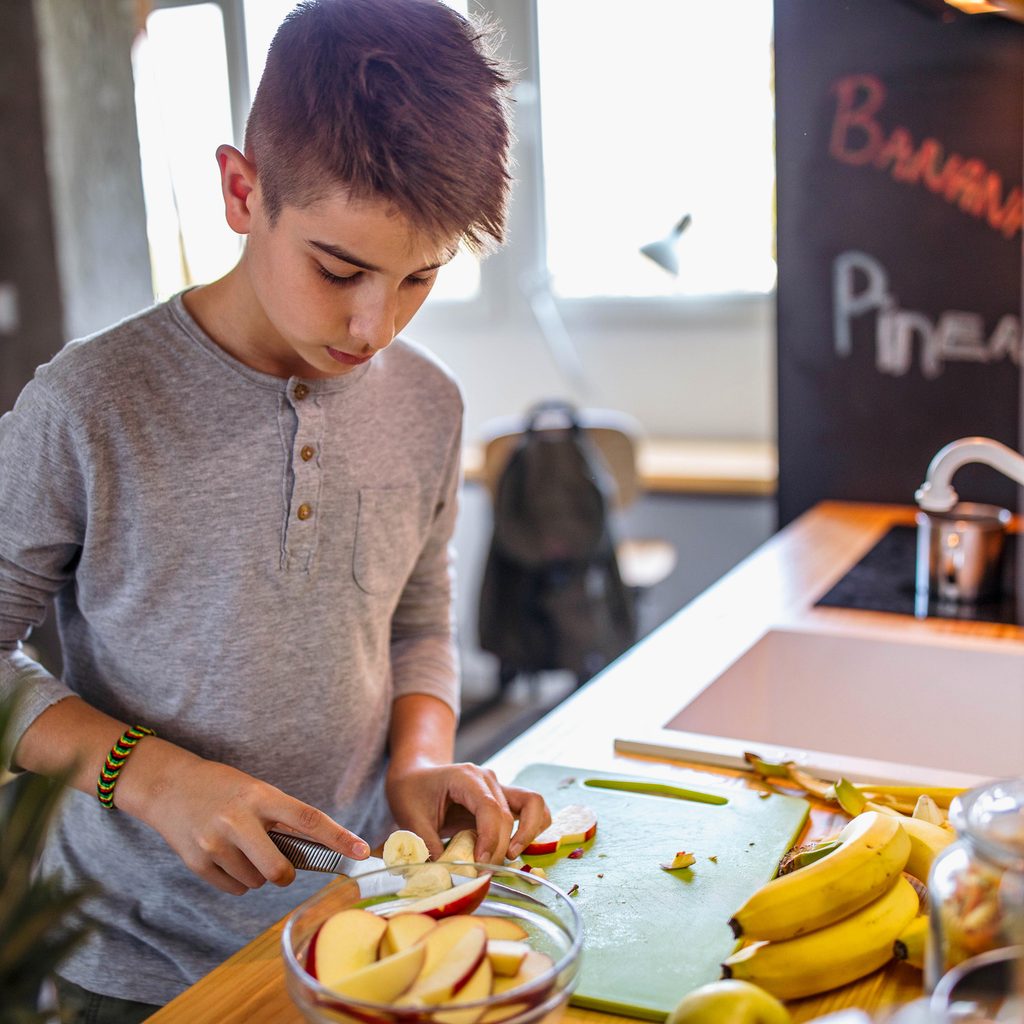
A child making themselves a snack.
mixetto / Getty Images

Always have snacks when mountain biking

The destination you have chosen when biking with kids is a great place to have a snack break. And don’t skimp on the snacks, err on the side of caution, and bring more than you think. Consider bringing a backpack … you can never have too many snacks.

Make sure the snacks you choose are high in protein, fats, and carbs, providing lasting energy. Fruits and veggies are tasty, but the natural sugars quickly burn through. Granola bars, squeeze pouches, or just good old-fashioned peanut butter and jelly sandwiches, will give all riders the energy to keep those wheels turning.


Is CoComelon ‘Good’ for Kids? Experts Cite Research Pointing to ‘Yes’
Dad brushing teeth with daughter and looking in the mirror with CoComelon

Parents navigating the landscape of kids’ media often question which content genuinely benefits their little ones. Among the most popular kids’ shows today, educational programming like CoComelon has captivated young audiences worldwide, but many caregivers wonder: beyond its ability to entertain, does this musical series offer real developmental value?

Research and child development experts have revealed many details about the educational framework behind the animated series, its potential benefits, and how caregivers can maximize positive outcomes when incorporating such content into their kids’ routines.

Read more
Experts weigh in: Why YouTube isn’t great for kids
You may rethink screen time after you know what experts say about kids watching YouTube
Young boy on an iPad

It's a parenting tale as old as time. You have things to get done around the house, but a small person who says they're bored is competing with your to-do list. And so, you do what many parents do in this stretched-thin situation. You turn on the television, hand over a cellphone, or put on YouTube. But when it comes to kids watching YouTube, is it doing more harm than good?

Screens can be "addictive," as noted by Dr. David Greenfield, founder and clinical director of The Center for Internet and Technology Addiction. He explains that they have a dopamine-producing effect, and many realistic pediatric experts agree that, while screens are a part of our modern lifestyle, moderation should be enforced, and limitations be set. Parents need to learn why they should be mindful of children watching YouTube and how to lay down the screen time law at home. We'll share some tips and words of wisdom from experts in the know.
Why screen time could be negative

Read more
When should your baby be able to stack blocks? Here’s what to know
Know when babies can nest cups and balance blocks by themselves
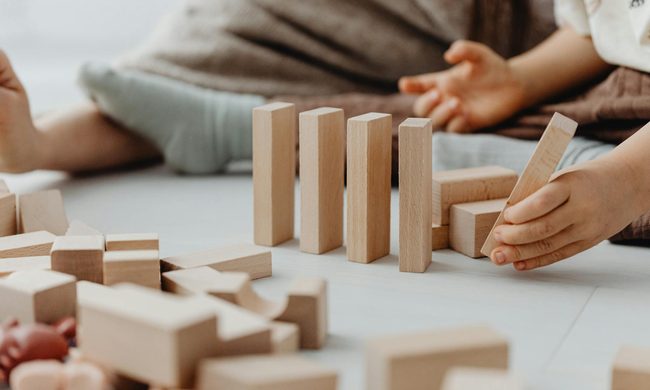
A child playing with stacking blocks

When you’re a new parent, the moment someone gifts your child their first set of blocks, you become obsessed with baby learning and when they should be able to turn the blocks into beautiful creations of their imagination. While stacking blocks are an important developmental milestone for babies, it’s also one of those things that evolves with time and practice. Sitting down to play blocks with your little one is an open-ended game that teaches children physics, resilience, and fun. When can a baby stack blocks and nest cups on their own without your help? Here are some general guidelines so you know how to measure your child’s development with their gift of stacking blocks and how to help your child get the hang of it on their own.
When can a baby stack blocks and nest cups? By age

By 6 months old
At this age, your baby might not be ready to stack blocks the way you want them to, and that's okay. This doesn't mean you can't play blocks with your child or that you shouldn't let your child have fun figuring out what the blocks are. It’s perfectly normal for your 6-month-old to gnaw on blocks or simply hold one, just don't expect them to build the Eiffel Tower just yet.
By 12 months old
This is the stage of banging items against each other and blocks or cups are no the exception. If you offer your child blocks, there may still not be a lot of creativity yet. But keep in mind that knocking things down is a favorite activity of 1-year-olds, so your child is right on track if that's all they do. More likely than not, they’ll be happy to destroy any block tower you build. If your little one can’t get enough of knocking down a stack of blocks, rest assured that they’re right on schedule.
By 18 months old
When can babies nest cups? By a year and a half, stacking is the name of the game. After all, your little one is now officially a toddler and proud of it. If you haven’t done so already, this is a great time to introduce baby blocks. At this point, most kiddos are able to stack two or three blocks on top of each other with ease.
By 2 years old
Don’t be surprised if your baby’s block masterpieces start to get taller by age 2. With improved coordination, your child shows better stacking skills and may be able to balance up to seven blocks on top of each other. This is the beginning of sorting for many young children. If they’re now stacking masters, go ahead and challenge your budding genius to sort their blocks by color or separate them in groups.
By 3 years old
Free play takes a life of its own by age 3. At this point, blocks are much more than meets the adult eye. Your child’s imagination is flourishing, and they’ll start to build tunnels, bridges, or forts with just a few blocks. This is the perfect moment to introduce your toddler to teamwork. If the two of you work together, it’s easier to build tall towers and solve construction problems. Get your child's imagination to full speed and see what they create with blocks of all colors and shapes.
The benefits of stacking blocks

Read more