
“Think left and think right, and think low and think high. Oh, the thinks you can think up if only you try!” Dr. Seuss said it best. Curiosity is a noble trait. It’s one that needs to be cultivated and encouraged throughout your life, especially from an early age. Teaching children to be curious helps them be more observant humans, gives them the confidence to figure out things for themselves, and creates a love of learning.
Curiosity helps kids expand their vocabulary, be more in touch with their emotions, and can teach them not to take everything at face value but rather form their own opinion about a given subject. Parents and caregivers can encourage curiosity in their kids from a very early age, and it can be just as much fun to watch their minds expand right before your eyes as it is for the child themselves.
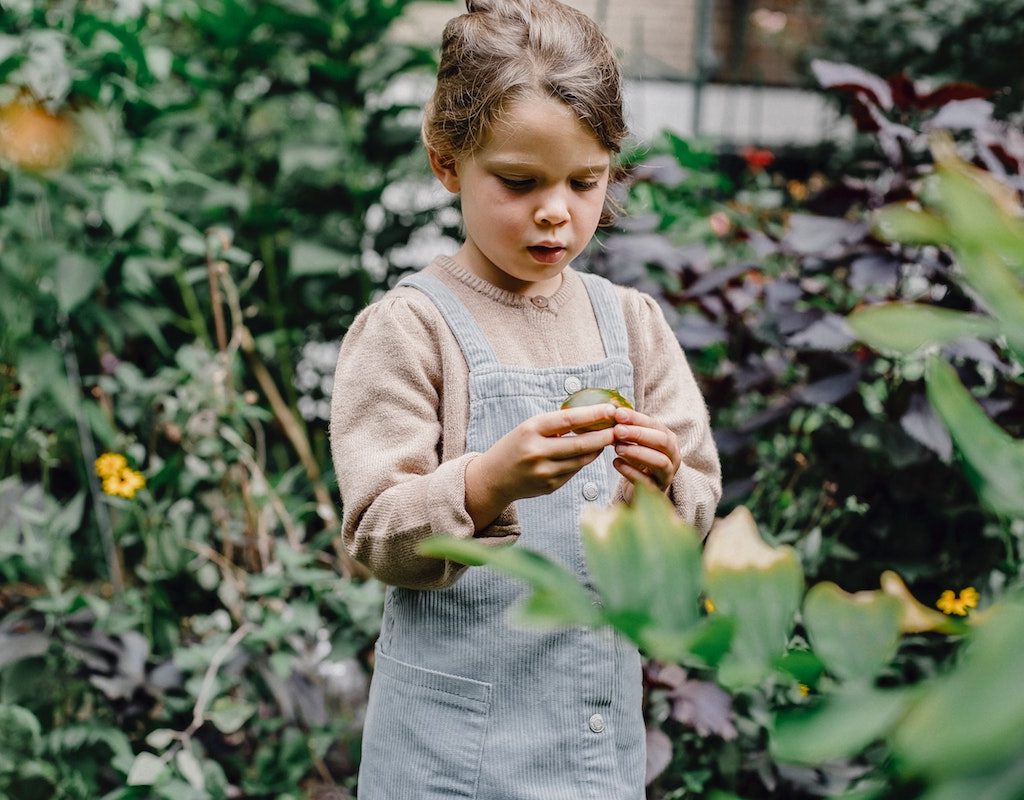
Start with questions
When your child asks you a question, don’t answer right away. Parents should encourage kids to seek out a solution themselves. Depending on their age, point them to a source like the internet, library, encyclopedia, or YouTube to help them find an answer on their own.
Answer a question with a question. If your child asks you if you can build a house made of sticks, turn the question back around and ask whether they think you can. Not only will this encourage independent thought, you’ll be surprised at the funny and inventive answers you’ll receive.
Kids ask “why” a lot for a reason — they want answers. Why not turn that around on them during conversations, while reading books, or when you watch a TV program together. Ask them why they gave an answer, why the book ended a certain way, or why that character seemed happy or sad, and encourage them to think outside the box.
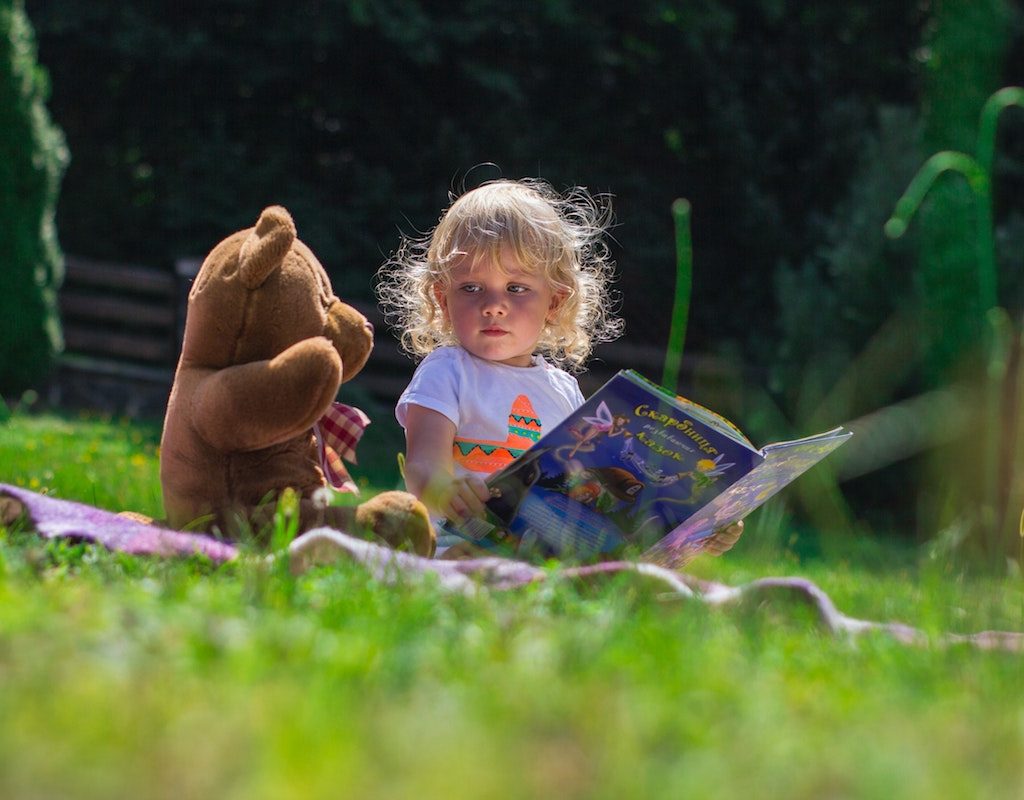
Use play to encourage curiosity
Unstructured play is the best way to nurture your child’s sense of curiosity. It can feel like every moment needs to be planned out when your kids are little, but by giving them free time to play, you are giving them time to use their imagination. Try to give your child the chance to play on his or her own and with other kids of different ages. It can be hard not to intervene, especially if you hear arguing, but try to let them work it out.
While having a variety of toys and other objects like books, blocks, crayons and paper, puppets, and dress-up clothes is important, sometimes not having everything at their disposal can be of service to them. Sometimes, all kids need is a cardboard box, some rocks, or just themselves, and they can create a world all their own. As much as possible, travel with your child — it will open the world up to them in ways nothing else can.

Curiosity will come and go
Inquisitiveness ebbs and flows, depending on our age, life stage, and the company we keep. Parents can play an active role in cultivating a child’s ability to ask questions and seek answers, but doing that requires persistence. If it feels like you’re pushing your child or they don’t seem interested at the time to think more openly, give them room to not respond. Sometimes we mean well, but forcing an issue can actually cause the opposite effect we meant to impart.
The ideas above can help jump-start conversations and get children thinking for themselves. Especially in today’s world where every answer is at their fingertips (thanks to technology and the likes of Google), anything parents can do to encourage a love of learning and seeking out facts or answers for themselves rather than relying on someone to give it to them will be beneficial as they get older.
Of course, curiosity can (and should) also be fostered by teaching them how to listen. Hearing other people’s stories or understanding how they came to a certain conclusion can offer insight and perspective, especially if the person comes from a different background, geography, ethnicity, class, or race than their own. Learning to listen and observe others is an art. It’s a big key to keeping a person curious and open-minded for a lifetime.