The last thing you need to worry about after having a baby is getting your pre-pregnancy body back. But, as time passes you may start to focus on supporting your new post-partum body, especially if you’ve had a cesarean delivery. Because recovering from a cesarean is much different than a vaginal delivery, you may be wondering if methods like the postpartum belt is safe.
Otherwise known as abdominal wrapping, believers in abdominal wrapping cite back support, skin tightening, and muscle rebuilding as benefits, but what if you’ve had a C-section? Those who have had to undergo a C-section may want to consider specifically made C-section belly bands if they’re thinking about abdominal wrapping.
Knowing when and how to wrap your healing body with a postpartum belt is critical to the process, so let’s take a look at what you need to know about abdominal wrapping before you ever put the postpartum belt on.
What is abdominal wrapping?
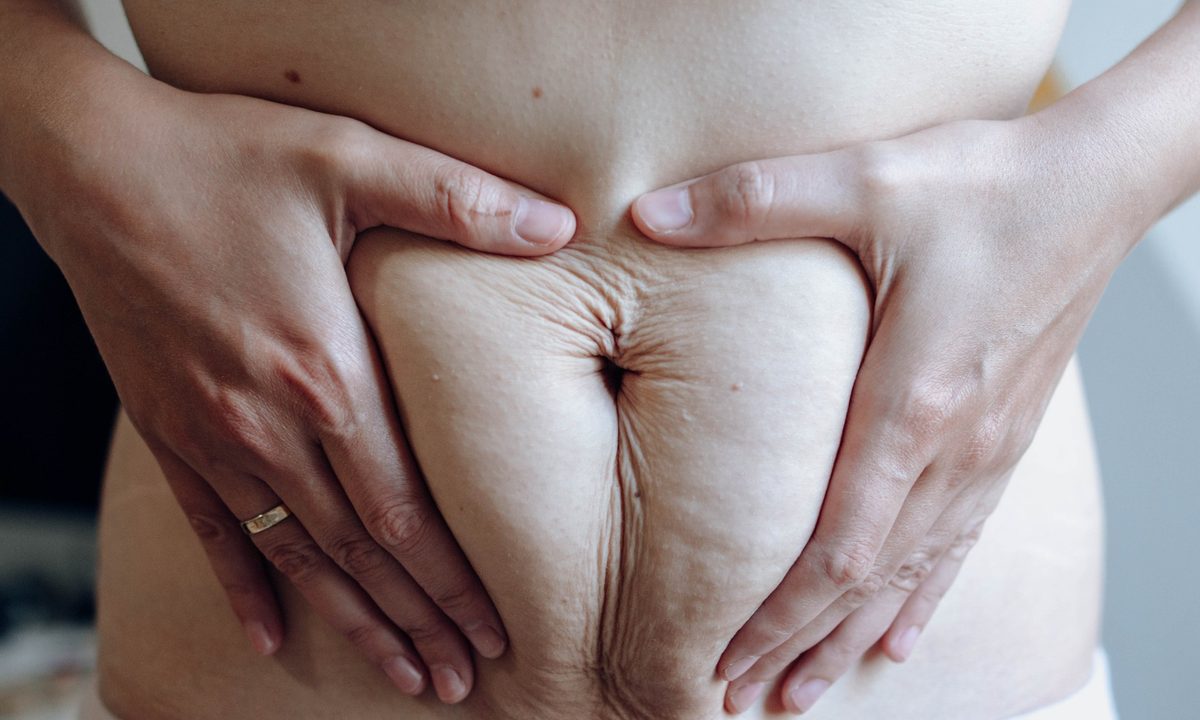
As your body changes during pregnancy, the skin and abdominal muscles stretch to accommodate moving organs and a growing baby. The body adds fat cells to help support the change, and when the baby is out, some people are left with loose skin and space between ab muscles.
Abdominal wrapping can help offer support to the postpartum body, creating a layer of support for the lower back and helping encourage the abdominal muscles to knit themselves back together. It could also help encourage the skin to regain its shape.
Even after the baby is born, the body continues to release hormones that promote the relaxation and stretching of the ligaments (the same ones that allow your body to accommodate a baby in the first place). The belt helps hold your body in place until the hormones are out of your system.
What are potential C-section-related problems?
When using a belly band or postpartum wrap, the belt must wrap tightly — uncomfortably so for many new parents — and that can put extreme pressure on your surgical wound. While dressings can help support the wound and prevent snagging or reopening, the kind of pressure you get from a postpartum belt could cause serious complications.
For one, pressure can cause significant pain at the surgical site, causing you to need more pain management than you might typically. It doesn’t allow your surgical wound to breathe and may trigger new bleeding as you try to move around in the belt. In some extreme cases, further damage may happen to the tissues around the wound, and it could heal unevenly, giving you trouble with later pregnancies and permanent issues with muscle use.
You may have the chance to wear surgical binders after your C-section, but these are designed to minimize contact with your wound rather than draw in your postpartum tummy. It’s best to take direction from your medical professional in these cases.
Do C-section belly bands work?
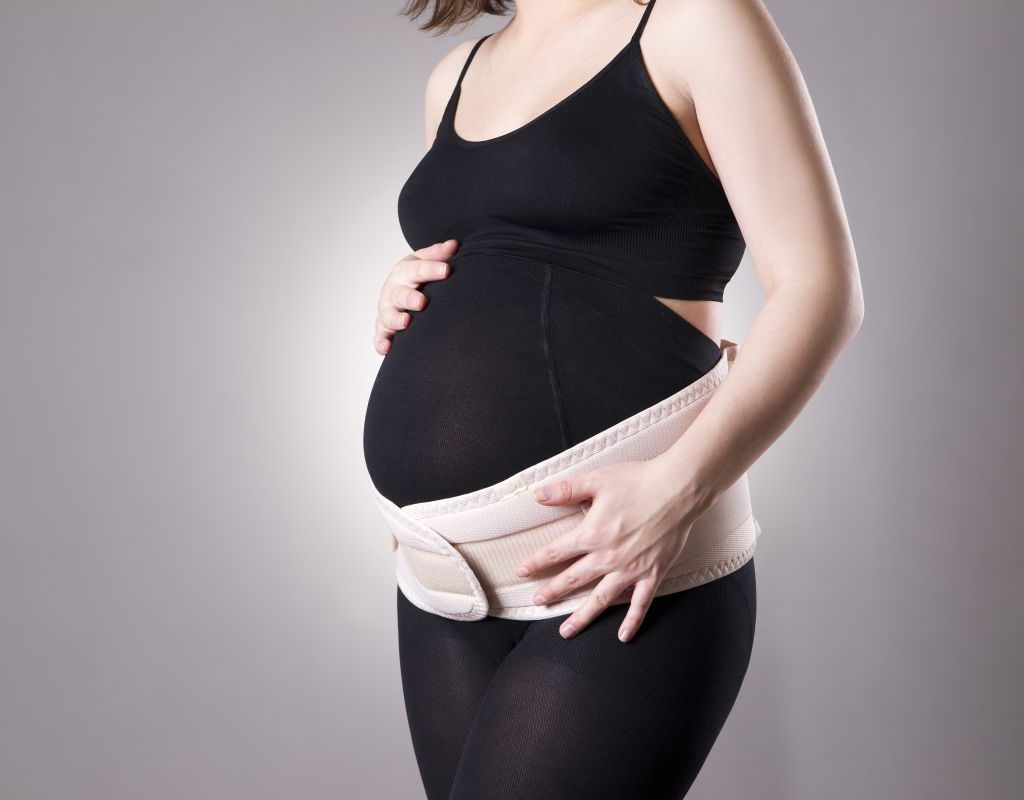
Many swear by using belly bands after they have delivered their child. They tend to wear them not only directly after birth but also in the weeks and even months after delivery because of the support that these bands can give. Because it can be common to feel as though their bodies feel like “Jell-O,” after delivery, these bands offer support and stability for those who are postpartum and help them to build up their core muscles that have shifted around during pregnancy — something that happens during all pregnancies.
They can help shrink your uterus back down to size, which also helps to alleviate any kind of postpartum pain or discomfort. This means that you can theoretically get back to your normal activities sooner.
Other benefits of abdominal wrapping
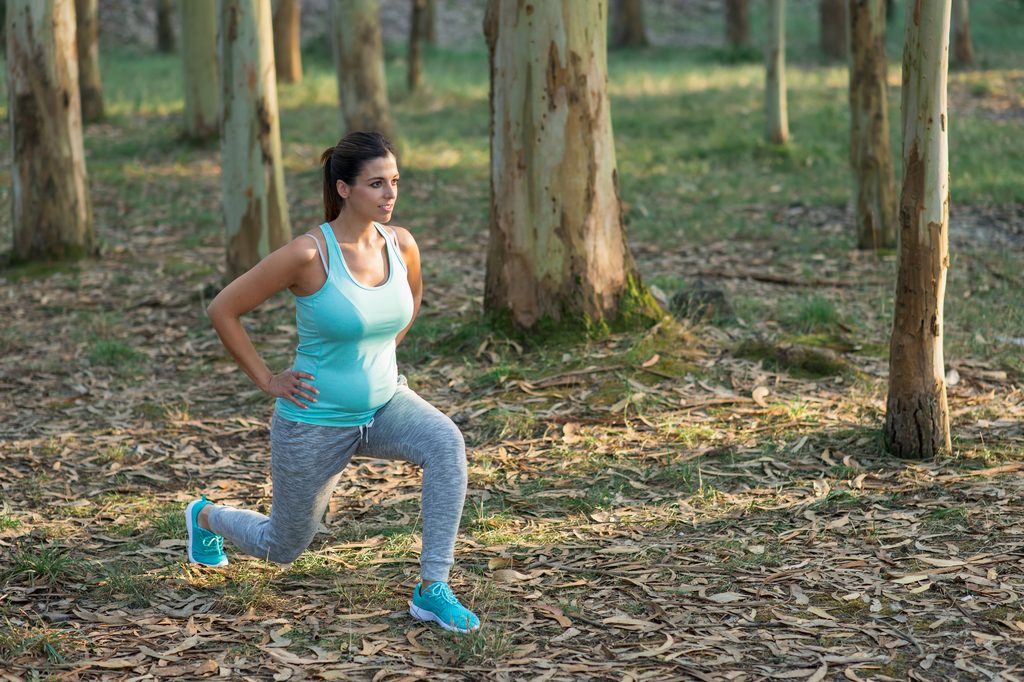
Abdominal wrapping after a C-section can help with trimming your waistline, but there are numerous other benefits to using a postpartum belly wrap that may convince you to give it a try. According to WebMD, some of the benefits include pain relief, increasing blood flow, aiding in the healing of muscles, and your incision, reducing swelling, and helping with your posture.
The compression provided by abdominal wrapping can also help support your pelvic floor. “We have been prescribing abdominal binders for a long time,” Jay Goldberg, MD, an OB/GYN stated. “They have been used for tummy tucks and back problems, but with obstetrics, these wraps help women recovering from a vaginal delivery or a C-section with their posture, abdominal support, and self-confidence.”
When can I wrap my C-section tummy?
Always check with your medical professional before you decide to use a postpartum belt, especially if you’ve undergone a C-section. Women often begin wearing postpartum belts just a few days after vaginal births, but the general advice is to wait until after a C-section wound has healed.
Many of the studies cited by supporters of postpartum belts aren’t specific to C-sections or pregnancy at all. Instead, they are statistics concerning the use of abdominal wraps after general surgeries.
While we can generalize these benefits to things like C-sections, which are abdominal surgeries, the lack of specific studies to support C-sections support may lead you to other conclusions. Again, take the direction of your medical professional so that you don’t accidentally make your wound or scarring much worse.
You’re looking at six to eight weeks or so before it’s safe to use a postpartum belt under normal circumstances.
Is it too late to wear a postpartum belt?
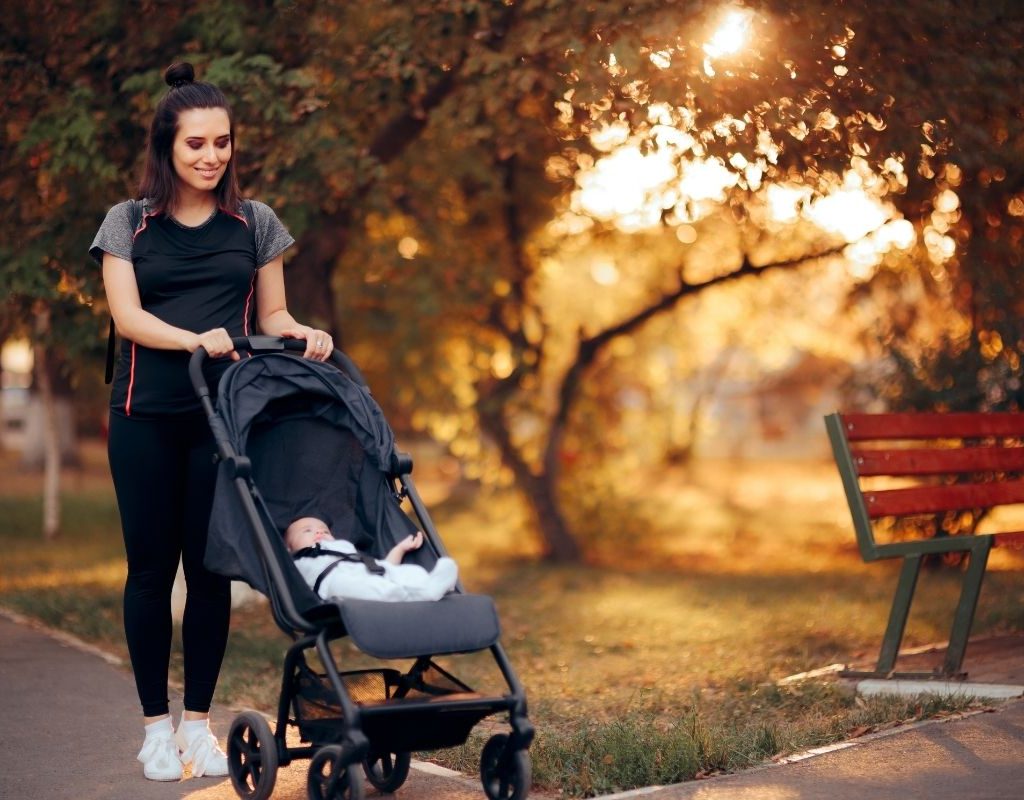
If you’ve waited longer than six to eight weeks, it may not be too late. Proponents say that wearing the belt at two to four months provides the benefits most women are looking for, so there’s possibly still time to begin using it. Once you’ve healed, and even a few weeks out, you can start wearing it.
How do I wear a postpartum belt safely?
Once your C-section wound has healed sufficiently, and your medical professional has given you the OK it’s time to learn how to wear the belt correctly. Here are a few common types:
- Wraps: made of cloth and soft, often suitable for use just a few days postpartum
- Corsets: tight and highly structured, designed for use under clothing
- Belts: adjustable but with a bit more structure than a wrap
Most professionals recommend the belt because you can adjust it to suit your needs and to help you wear it safely. It should never constrict breathing or cause bruising or rashes if worn.
These belts should never be worn all day because this puts unnecessary pressure on your abdomen and may cause a hernia over time. If you’re sitting or lying down for any length of time, take the belt off.
If your medical professional gives the OK, begin wearing your belt throughout the day, removing it to sit for long periods or to sleep. Adjust the belt so you’re comfortable and regularly check for any signs of bruising, rash, or potential hernia. Always keep your medical professional updated so that during checkups, your medical professional can keep track.
If you’re using the band to help recover from a C-section rather than to help get your waist back more quickly, make sure you’re using one that is designated specifically for abdominal surgeries. These medical-grade wraps are very different than some of the corset styles or postpartum belts sold over the counter.
How long should I wear an abdominal binder after a C-section?
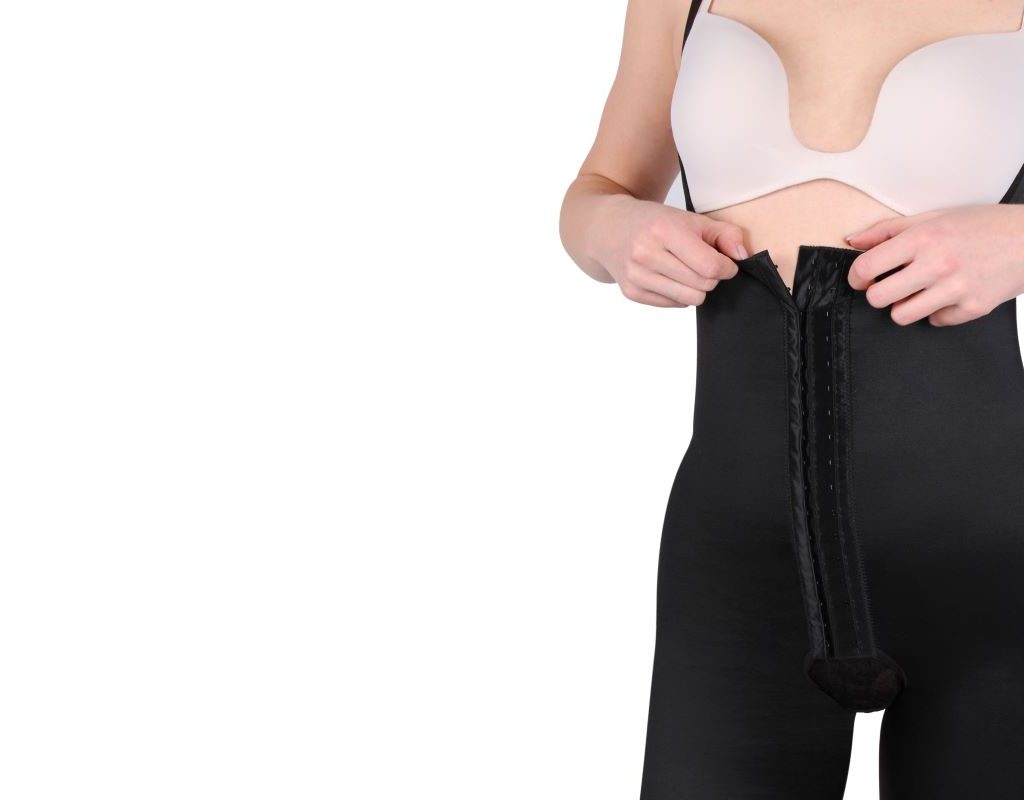
If you and your doctor decide an abdominal binder is right for you, you will need to get used to wearing it. According to Postpartum Trainer, when you first begin wearing the binder, you’ll have it on for around 4 to 6 hours per day. As you begin to feel more comfortable wearing it, you can gradually increase to wearing it for 8 to 12 hours a day.
You shouldn’t wear an abdominal binder for more than 12 hours each day. Most people who have had C-sections will wear the binder for 6 to 8 weeks but it isn’t uncommon for some women to wear it longer, especially if they are enjoying the support.
Can I wear shapewear after a C-section?
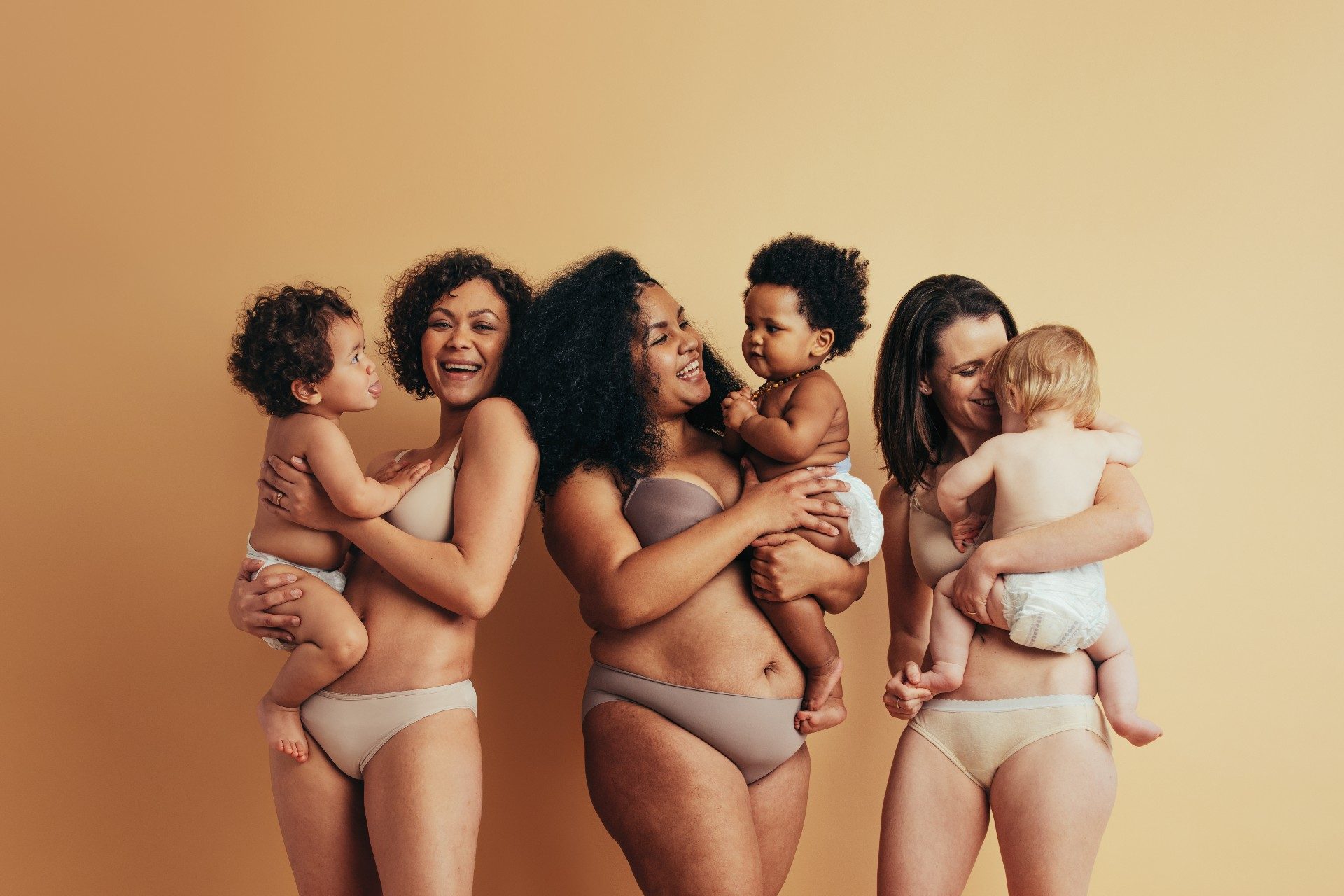
Many women have experienced wearing some form of shapewear when they’re not pregnant, but it can be beneficial to women who have had a C-section as well. There is shapewear made specifically for postpartum women and is a compression garment typically made of nylon or spandex that’s designed to fit tightly around your midsection.
Where this differs from a belly band or abdominal wrap is that you can get postpartum shapewear in girdle form as well as belly wraps and belts. A full postpartum shapewear girdle may make new moms who have had C-sections feel a bit more supported as their body heals by providing additional compression.
Wrapping your C-section safely
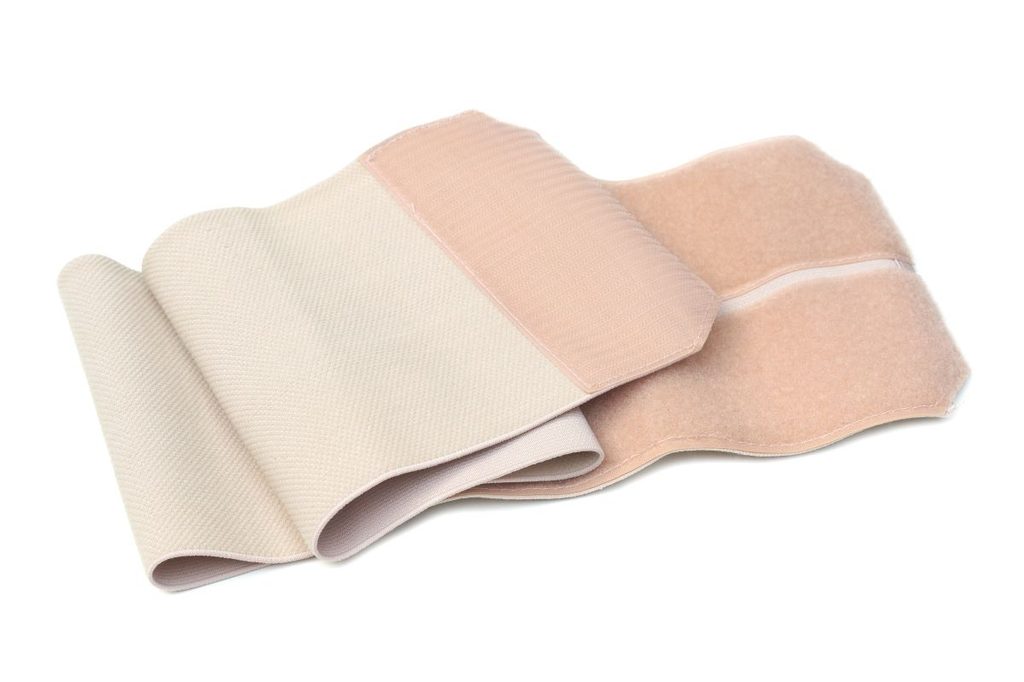
Support for your changing body is essential, and a postpartum belt could help you feel more like yourself after birth. It may help support your back, reduce pain, and help bring your abdominal muscles back together more quickly.
However, if you’ve had a C-section, you must take care of your wound first and foremost. Your medical professional may prescribe an abdominal wrap for medical purposes but don’t get these mixed up with basic postpartum wraps. Wait for your body to heal and get the go-ahead from your doctor. Then, the choice to wear the belt is yours.