As the proud parent of a young toddler, you’ve probably begun to notice that their sleeping habits are evolving. But exactly how much sleep does a 2-year-old need? Are naps an integral part of their routine?
Why do babies need so much sleep?
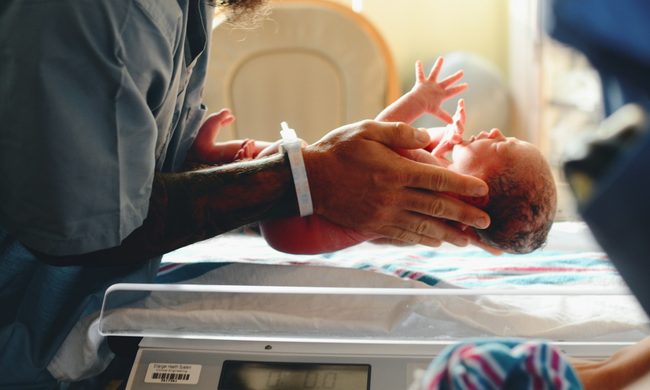
Understanding why babies sleep as often as they do is integral to understanding the changes that occur in a child’s sleep schedule as they age. In a child’s first few years, they grow and develop very rapidly. This demanding course of growth needs lots of energy to power, meaning that lots of rest is also needed. This explains why newborns sleep for 14 to 17 hours each day. Sleep lets the body and mind relax and recharge.
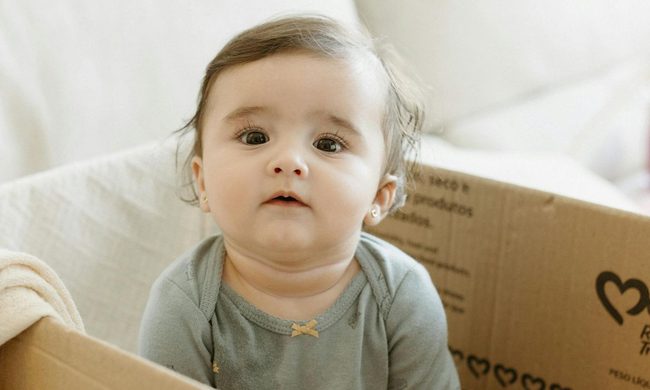
By the time a child turns 2 years old, the amount of time they spend sleeping and the amount of time they are awake become more equal. Your average 2-year-old needs to sleep between 11 and 14 hours every day including naps. And yes, when it comes to the sleeping habits of your 2-year-old, it is encouraged to get them to still take at least one nap per day. A study found that 2-year-olds who didn’t nap were unhappier, more anxious, and more easily frustrated than those who did nap.

Napping has benefits beyond the energy it provides. One study discovered that preschoolers who took a nap did better on a memory game than those who did not nap. And other groups of researchers have shown that people who sleep irregularly or are often tired have more unhealthy eating habits, putting them at a higher risk for obesity.
When should my child stop napping?

The age children no longer need to sleep during the day is unique to each individual. A good night’s sleep is the most important component of a healthy sleeping routine for a 2-year-old.
To figure out if your child is ready to skip a nap, do some experimentation. Pick a day for them to not nap, and observe their behavior in the evening. If this experiment ends with an exceptionally cranky toddler, you should continue to let them nap. By the time a child reaches the age of 5, napping does not have many proven benefits. Instead, sleeping too long during the day can cause issues when a child or adult tries to fall asleep at night. On the other hand, an overtired person may also have problems at bedtime. If your older child is exhausted after a long day, encourage them to take short naps for no longer than about an hour as a quick energy boost.
When it comes time to transition away from napping, consider introducing a “quiet time” when your child can play, read, or make art quietly and independently. This peaceful and quiet period may be all it takes for a child to feel energized enough to carry on their day.
How should my 2-year-old be sleeping?
By the age of 2, a child has spent more time asleep than awake. This will soon change, however. Throughout your child’s first few months, you likely established a daily routine. Young children thrive on routines, so if you don’t have one yet, you should start making one soon! Maintain a routine, complete with naps, as necessary through toddlerhood.
Every child should have a cool, quiet, dark place for naptime and bedtime. Preferably, they will always sleep in the same location. They have probably progressed past the need for a crib and may want to sleep with you, but try to encourage your toddler to sleep in their own bed. Having a favorite blanket or toy to sleep with can make a child feel more comfortable sleeping in any given environment.

Naps taken throughout the day should be short. The longer or later a toddler naps, the harder it will be for them to fall asleep at night. Again, a routine is paramount — your child should take a nap and go to bed around the same times daily.
Napping and getting a good night’s sleep are important to having a healthy, happy child. As your child progresses in age from baby to toddler, they will need less sleep and fewer naps. Although the normal sleeping habits of any given child are unique, now you know what is normal for an average 2-year-old.