
Gentle night lights for babies have stirred up quite a bit of controversy in the parenting community. While some parents argue that night lights are a must-have for nursery decoration, others have claimed for years that it’s ruining a baby’s sleep patterns — so, what’s the right answer?
Night lights can affect how well your baby sleeps
We’ve done some of our own research and found that, unfortunately, night lights can have a negative impact on your little one’s circadian rhythm (and possibly melatonin production). However, the color of the night light can also play a role.
Night lights with a blue glow, for instance, can be particularly troublesome. Blue light can keep you alert during the daytime but can keep your baby up at night — more so than any other type of light. Yet, warm night lights with red and orange glows aren’t as harsh and might be the better choice for your infant.
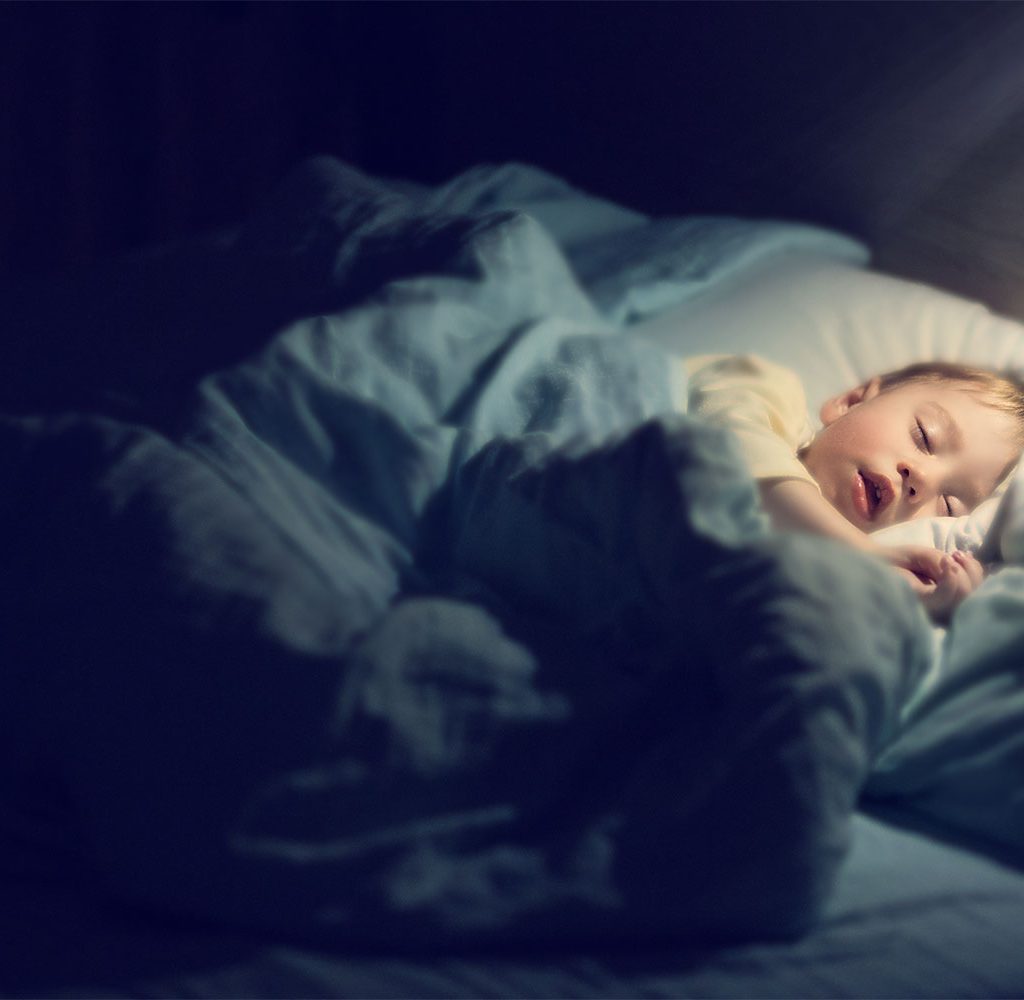
Even so, any light — red or blue — can affect melatonin production during the night. This is a bigger issue for adults because babies don’t begin producing melatonin until they’re 3 months of age. So, while you shouldn’t worry about a night light impacting your newborn too much, it can affect children’s sleep when they are toddlers.
What concerns many parents is that the effects of poor sleep can extend into the toddler years and beyond. Kids who experience poor sleep in those first few months can end up having behavioral or emotional issues as they grow. If you suspect the night light is the culprit for poor sleep, it might be time to unplug it.
Night lights can have their perks
A night light can keep your baby up, but so can a fear of the dark. If your toddler is terrified of sleeping in the dark, using a night light could be soothing. Even dim lights can remind them that they’re safe, secure, and no monsters are hiding under the bed. Most toddlers grow out of this fear with time, so the night light isn’t always a permanent fixture in the nursery.
Even small babies can find a little illumination comforting. If your infant wakes up in the middle of the night, a little bit of light can help them locate their security blanket or stuffed animal inside the crib.
For parents, night lights also prevent you from stumbling around in the dark when you go to check on a crying baby. You’ll probably need to turn on some kind of light, and a night light might be less disruptive than an overhead light.
How to use a gentle night light wisely
If you think your nursery might need a night light, but you don’t want it to be disruptive, there are a couple of things you can do.
For one, avoid night lights that have too many features. Some night lights can play music for your little one, but that lullaby can also cause restlessness, too. Similarly, night lights that project moving patterns onto the ceiling might be pretty to look at, but they could be distracting at bedtime. If you can, try to stick to the basics.
You can also try hiding the night light. Instead of placing it right next to the crib, camouflaging the light behind a piece of furniture, or even placing it out in the hall can limit exposure. This can be challenging, depending on the layout of your nursery. Some nurseries might only have one or two outlets, so you’ll have to be strategic about how you cover up the light.
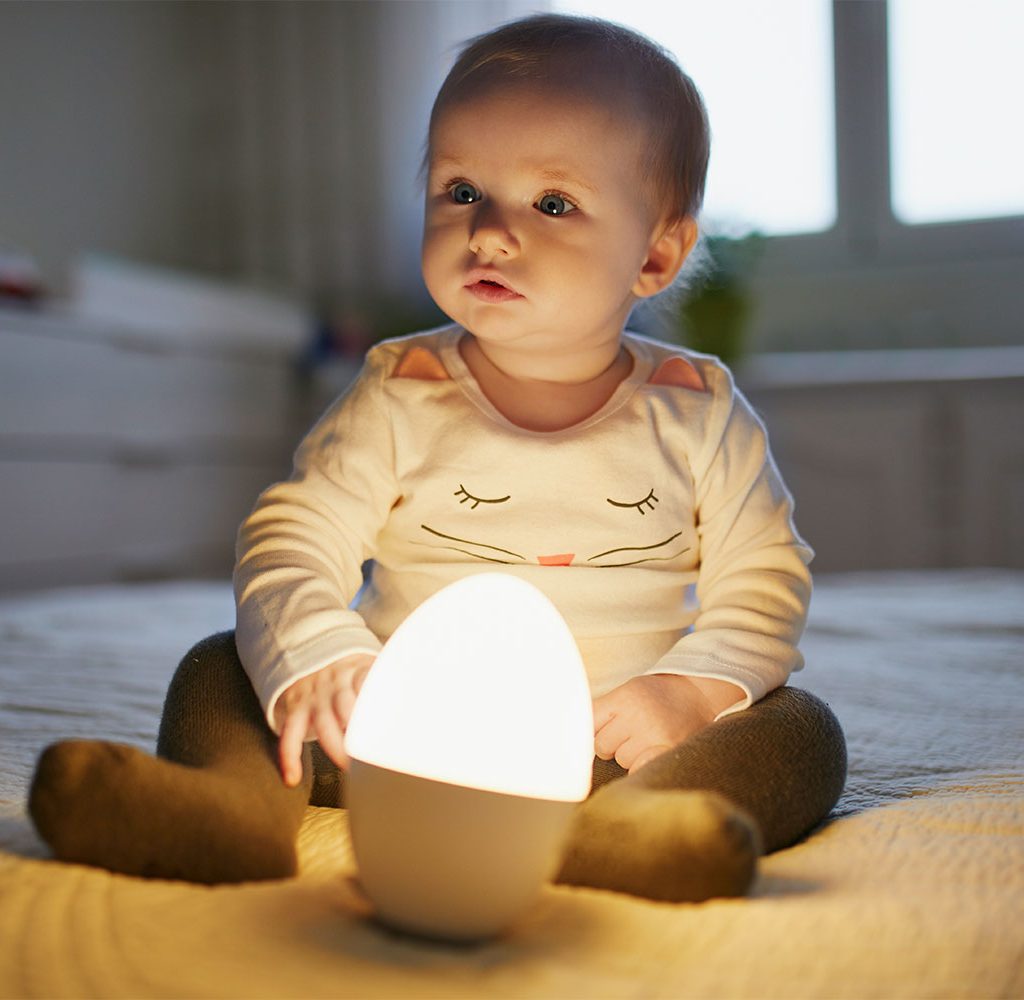
If you do end up placing it in the hallway, your baby should still get some light, but it shouldn’t be bright enough to cause sleep issues.
Don’t forget to steer clear of blue lights and stick to warm glows. Given how harsh blue light can be, it’s probably best just to avoid “cool” glows and stay with comforting reds and ambers.
Another thing to pay attention to is how many lumens the night light has. The more lumens there are, the brighter the light will be.
While there’s plenty of debate surrounding whether night lights are a good idea for kids, there’s no one-size-fits-all answer. Every kid is different — night lights might keep one child up, but another might not be able to sleep without it. If you’re not sure, you can always try a night light for a couple of nights and remove it if you feel it’s too disruptive.
Or, if you’ve already got a night light set up in the nursery and your child seems to sleep peacefully, it’s best to leave well enough alone!