

Parents with kids of any age know how vital sleep is. No matter what age or stage you are in as a parent, bedtime is always the center of attention. When parents need help getting back into a bedtime routine or a way to get a child to stay asleep through the night, they will try almost anything.
The next trend to help get your kids to sleep is all over TikTok, so you may have seen videos about the sleepmaxxing trend without quite knowing what it is. When it comes to getting proper sleep, parents are turning to this bedtime routine in hopes of a restful home — but does it work, and is it worth it? Learn about sleepmaxxing and see if you could use it to put everyone to bed.
What is sleepmaxxing?
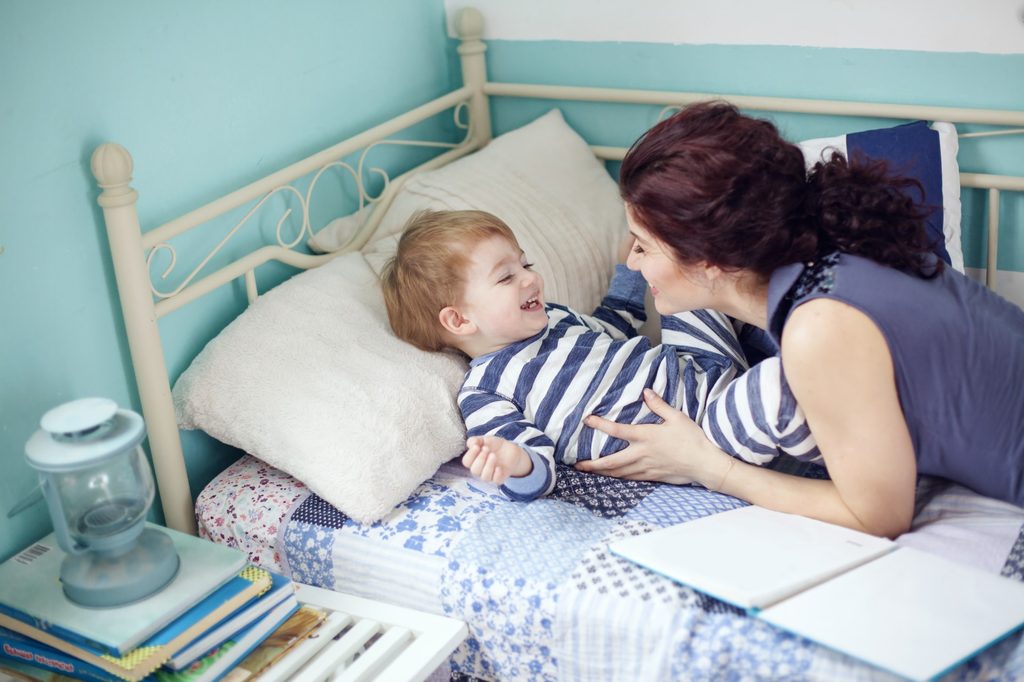
Whether you have children or not, sometimes getting a good night’s sleep is impossible. Stress about work, money, or family can keep you up all night. Sleepmaxxing is using a variety of hacks to get rid of all of the obstacles that keep you awake, allowing you to optimize your sleep. These hacks involve using certain products, practices, activities, and steps to get ready to go to bed. Think of it like how you have a morning routine and nighttime routine, but more extreme.
The point of sleepmaxxing
Why should you consider sleepmaxxing for yourself or your children? Simply because sleep is important. No one can function without proper sleep. Sleepmaxxing can make the most of the rest you do get and take away distractions that keep you up or wake you up in the middle of the night, which will enable you to get to that stage 3 non-REM sleep that restores your mind, body, memory, and immune system.
Potential things in a sleepmaxxing routine
- Mouth tape
- Sleep trackers
- Eye covers
- Podcasts/music/meditation apps
- Use supplements, like magnesium or mocktails with cherry juice or lemonade
- Nose strips
- No screen time before bed
- Make sure the room is cool and dark
- The same bed and wake-up time
There could be more or less depending on what works for you, but sleepmaxxing entails a lot more than just brushing your teeth and washing your face before bed. But humans love a routine, and if an involved, step-by-step process helps you sleep better at night, step yourself all the way to bed.
Sleepmaxxing for families

When it comes to your children, is sleepmaxxing helpful? Parents on TikTok seem to think so. Everyone needs sleep, but growing and developing children need deep, uninterrupted sleep to become functioning adults. Between kids staying up to watch television, playing video games, or texting with their friends right up until they close their eyes, they aren’t getting the crucial deep sleep when the body repairs itself and grows.
Once broken down, the steps of sleepmaxxing aren’t anything crazy or insane. It’s a few extra minutes to ensure your mind and body are ready for bed. Adult or child — most of these should be on your to-do list anyway.
Potential steps in a child’s sleepmaxxing routine
- Same and consistent bed and wake-up time
- Calming night routine
- No screen time at least an hour before bed
- Limit sugary drinks before bed
- Light stretching before bed
- Keep a dark, cool room
- Use white noise
- Clean and comfortable bedding
The bedtime routine is what holds a family together. Thrown off for even one night, and everything else falls to pieces. If you want your children to try sleepmaxxing, there are plenty of steps to incorporate. Keeping the fan on at night, limiting sugary drinks before bed, and no electronics at night are all beauty sleep tips, anyway.
Once you get into a habit of things like making sure the room is cool and dark, turning the fan on, and checking that the bed is clean and comfortable only take a few seconds each, so trying sleepmaxxing isn’t something that will add much time to your established routine.
What steps experts say to skip
Mouth taping isn’t necessary
Not everyone should do everything on a sleepmaxxing list. The big one to maybe skip is mouth taping, especially for children. If your child has sleep apnea or other breathing issues, this one is a no-go. Being a mouth sleeper can cause dental problems, but you should take your child to a doctor instead of getting them mouth tape if snoring or other situations pop up.
Not all steps are necessary every night
The other part to watch out for when sleepmaxxing is to allow yourself and your children to be flexible and not obsessive over the routine. Not everyone needs a supplement every night to get to sleep, and not everyone needs to buy a sleep tracker. If you incorporate a few steps, like no devices one hour before bed and going to bed at the same time every night, better sleep is still a result.
You prep for a vacation, you take extra steps to get ready for a doctor’s appointment, and now you can see if sleepmaxxing is right for your family. Make it fun and let each child pick what steps they want in their sleepmaxxing routine. If you want to see if it really works, track your child’s sleep for a few weeks and note any changes. Not every trend has it right, but if this one helps your child get better sleep, the whole family benefits, and that’s worth a try.


