Postpartum depression can happen to any new parent and having support is one of the most important factors to make it through. If you’re wondering how to help someone with postpartum depression, we have six ideas for support.
According to the CDC, about one in eight new mothers experience postpartum depression (as well as about 4% of new dads). Postpartum depression is different than the “baby blues,” which typically resolve within a few days after birth. Postpartum depression can include feelings of anger, numbness, worrying about hurting your own baby; feeling guilty about being a good mom; crying more than usual; or feeling disconnected from your baby. The weeks after having a baby (even welcoming one without giving birth) can be an emotional roller coaster and it’s natural to have many big feelings and to take some time to bond with a new family member. Therefore, it can be difficult to recognize postpartum depression. Seeing a medical professional and being honest is the best way to figure out what’s going on and begin to get help.
If your spouse, friend, or loved one seems like they are going through this (or might be), here are six ways to help.
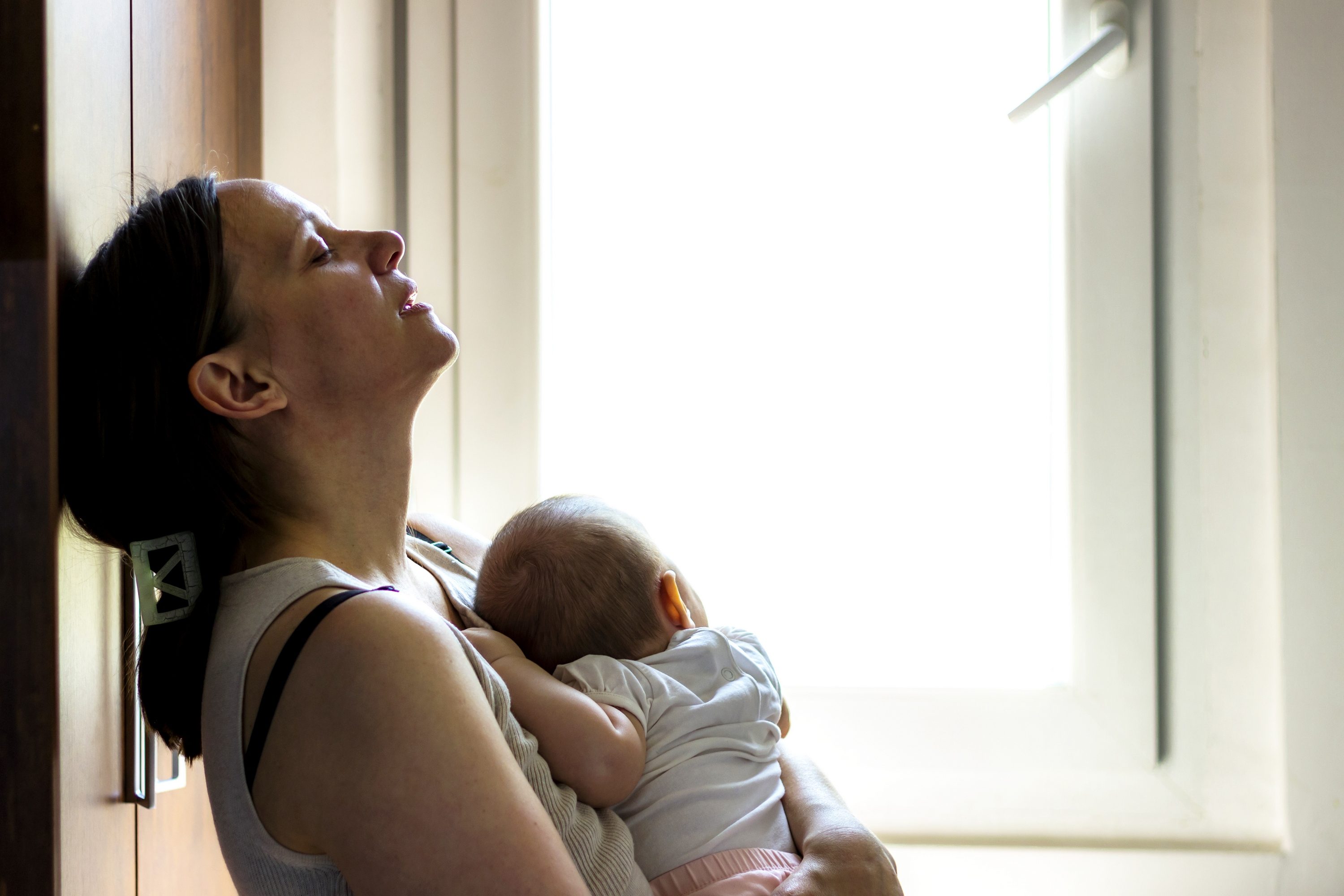
How to help someone with postpartum depression
Take the chores off her plate
With so many feelings to work through, cooking and cleaning are the last things a new mom needs to be worrying about. If you do the dishes, cook a meal, do the grocery shopping, clean the house, or babysit her older kids, she can use that time to sleep, journal, bond with her baby, exercise, shower, or get outside. Any time you can give her time for self-care or even basic hygiene will help her feel less overwhelmed and also make her feel cared for. Don’t ask her what you can do to help, as that’s just something else for her to think about. Just find something to do and do it.
Listen to her
New moms are often cooped up alone at home without other adults for much of the day and desperately need someone to talk to. Be that listening ear and listen without judgment (unless she is planning to harm herself or the baby and then you should take action such as bringing her to the hospital or calling a crisis hotline). Let her get it all out without jumping to giving advice, telling her she should feel differently or commiserating about your own experience. Let her express all of the negative feelings she needs to get out even if it is hard to hear.
Reassure her
Remind her that this is a temporary stage of life and that she will not be in the newborn phase forever and she will not have postpartum depression forever. You can still validate that things are very hard right now while also reminding her there is hope for the future and that she is strong enough to make it through this time. If she is feeling like a bad mom, reassure her that many moms feel this way and they all just do their best. As long as her baby is fed, safe, and cared for (even if not by her), then she is being a good mom. No one wins medals for doing crafts with two-month-olds.

Make plans for the future
Help her look forward to the future when her baby is older by booking a trip or planning which children’s museum memberships to buy. There is a lot of parenthood she has to look forward to after the sleepless nights.
Help her research support
Is there a local moms group she can join for socializing? A postpartum support group at the hospital where she delivered? Does she need help to look for a psychiatrist or therapist with availability for new patients? If she is willing to get support for her postpartum depression but the logistics of online searches and making phone calls are stopping her, help her by doing the leg work for her.
Celebrate her
Everyone is interested in the baby — asking how she is doing, commenting on how cute he is, giving her gifts. Meanwhile, Mom is getting ignored at a time when she needs attention. Make sure she knows you care about her day, what she is thinking and feeling, and what she wants. Ask about her instead of the baby first and greet her instead of the baby first. When she feels good about herself for something like the baby taking a bottle, celebrate with her.
Helping someone with postpartum depression
New parenthood can be full of many joys but it can also be a very difficult time. It can be stressful, hormonal, and isolating, so good friends and a support system are important. As they say, it takes a village. Being part of the village of support for someone with postpartum depression can make a huge difference in their life, so reach out to that person on your mind.


