Any person who has ever been pregnant knows that pregnancy-tired is a whole other level of exhaustion. It’s only natural that your body would be extra tired, after all, it’s growing a little human being, which takes a lot of work. That doesn’t make the sudden lack of energy any less annoying, especially in the first trimester, when you’re not sleeping as much, you may not be able to keep food down, your hormones are working overtime, and your body is using all of the nutrients possible to do this new job that you’ve tasked it with.
In your pre-pregnancy days, if you felt this tired you may have immediately reached for a cup of coffee or an energy drink. But since those are mostly out of the question now, how can you fight through the tired, so you can go about living your daily life?
Here are natural ways to boost energy while pregnant.
Evaluate your diet

It all starts with your diet. Healthy meals for pregnant women are, of course, encouraged, while indulgent choices must be taken in moderation if not completely avoided. The way you fuel your body can make a huge difference in how you feel throughout each day.
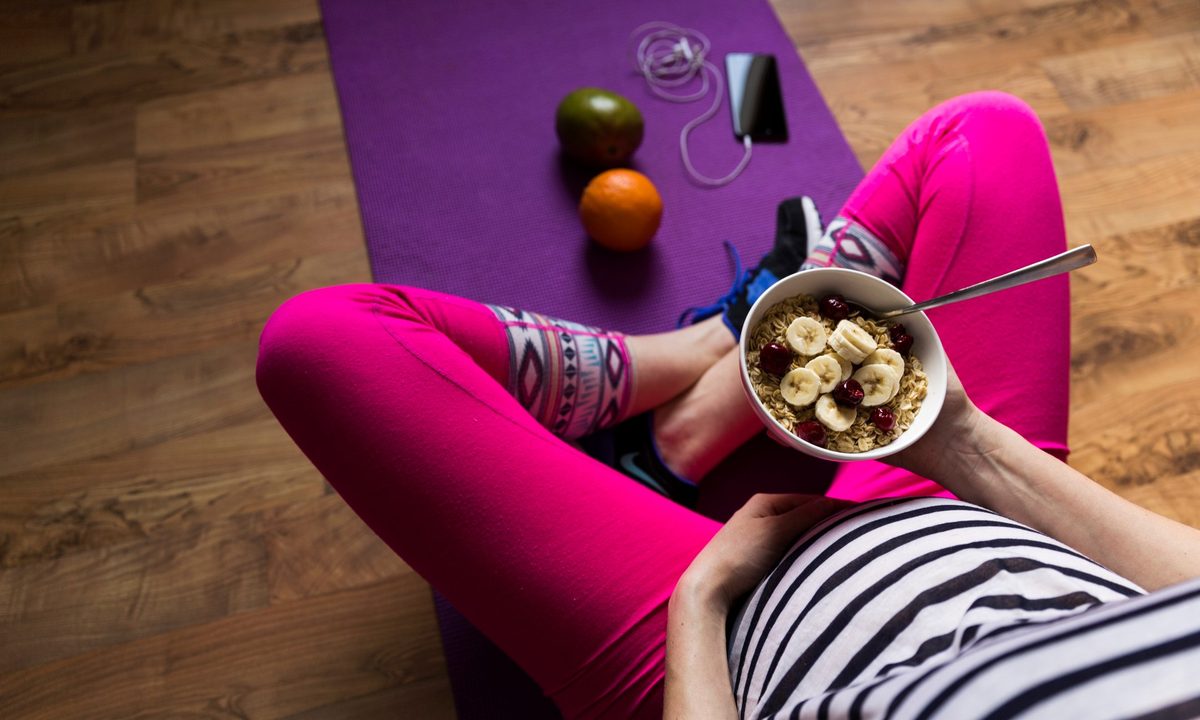
But eating a healthy diet while pregnant is easier said than done, especially since first-trimester morning sickness can make you queasy around certain foods. In general, you want to try to eat organic, all-natural, and low-fat foods that are high in iron, protein, and anti-inflammatory properties. For example:
- Lean proteins like chicken
- Plant-based proteins like peanut butter or avocado
- Foods high in vitamin B6 like bananas (you may additionally want to start taking B6 supplements)
- Foods high in magnesium like almonds
- Non-gassy vegetables like zucchini
- Easy-to-digest snacks like berries, hummus, or whole-wheat crackers
On the flip side, you want to avoid heavy carbs that can cause your energy to crash (think bread). Don’t feel like you have to avoid snacking, though. Keep healthful foods on hand for curing cravings on the go as well as keeping your energy levels up. Most pregnant women require 300 extra calories per day.
Switch up your routine

You definitely need to switch up your routine now that you’re pregnant. Your pre-pregnancy lifestyle of getting up early, going to work, going out with friends, and then crashing just in time to get your six hours of sleep won’t work anymore. You’ll need to make sure you get in some exercise, first. While it may seem like you will never have enough energy for exercise at the moment, trust us. The more you exercise, the more energy you’ll start to have.
Don’t feel like you have to overdo it, though. A quick walk around the block every day is often enough to make you feel better. Feeling the effects of your workout more than you used to? Don’t worry. Pregnancy elevates your heart rate, so you can expect to start sweating and gasping for breath earlier in your exercise routine than you might have before your pregnancy.
Additionally, you want to add more sleep to your routine. Many pregnant individuals need up to nine hours per night, and they might even need a nap on top of that (if you can squeeze one in during your lunch break or right after you get off work).
Drink plenty of water

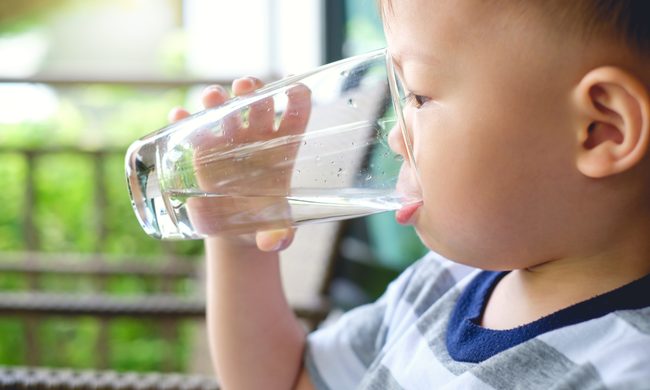
Did you know that dehydration can be linked to fatigue? If you’re feeling zapped of all your energy, despite exercise and a good diet, you may just need to drink more water. Start with the recommended eight 8-ounce glasses of water per day and then go up from there if you feel you need it. Keeping a full water bottle at your desk or in your bag can be a good reminder to stay hydrated, but make sure the bottle is non-toxic and BPA-free.
Don’t put extra pressure on yourself

Stress equals fatigue. Stress is definitely a part of pregnancy, but you should do your best to decrease your stress as much as possible. Start by refusing to put extra pressure on yourself. Don’t feel like you have to be on the go all the time or working at your previous productivity rates — even in your first trimester. Don’t feel like you have to check everything off your to-do list.
Be forgiving when you don’t meet your own expectations and try to be present in each moment. There’ll be plenty of time to rush around and check off lists in the years to come.
Get lots and lots of rest

You’re struggling with your energy levels because your body is busy growing a baby, which means you’re going to have to prioritize rest for a little while! Although we can understand you want to help boost your energy levels naturally, allowing your body the time it needs to rest is important because it not only helps decrease stress and help keep your blood pressure at normal levels, it also helps reduce the risk of complications.
Getting enough rest will also help with your mood and concentration and can help prevent depression. Fatigue during pregnancy is very normal and varies for every person. Try these four natural ways to boost your energy while pregnant but don’t stress if you find yourself taking a few extra naps!
Staying energized while pregnant is certainly more difficult than in your pre-pregnancy days, but, with a few lifestyle adjustments, you can begin to have more energy. Healthy choices and a positive mindset go a long way in ensuring you have the best pregnancy possible.