Webster’s Dictionary defines respect as the following: “high or special regard” as well as “the quality or state of being.” Respecting others is a virtue that people the world over often must wrestle with. Respect can sometimes feel forced or not genuinely earned. It’s because of this — the sometimes-daily struggle that every human being has had to deal with in some way or another — the necessity of teaching kids respect at a young age is so important. They should be taught to respect their peers, authority, and most importantly, themselves. Giving your child lessons on respecting themselves, the earth, and others helps mold and grow successful and well-rounded humans. It sets them up for success in the classroom, the workforce, platonic and romantic relationships, as well as giving them a sense of self-worth.

Why you should teach kids respect at a young age
Children, especially those under the age of 7 or 8, tend to be more influenced by their parents and less likely to give push-back when attempting to implement new rules or expectations. In other words, younger children are more accepting of new information and potential lessons due to their almost complete trust of their parents. This type of trust is built from birth, as babies depend on and trust their parents to meet all their needs, always.
If you’ve ever heard the saying, “You can’t teach an old dog new tricks,” then you may clearly see how that very sentence can be interpreted when raising children. Having solid expectations and lessons to build the concept of respect with your children when they are small will help them be prepared for life outside their home as they grow and develop. Using terms such as “please,” “thank you,” “may I?,” and so on at an early age can often be the very blocks that parents can begin building upon to instill respect towards all life. Attempting to change the routine later on in a child’s life can prove more difficult due to the child being raised under a different set of expectations.
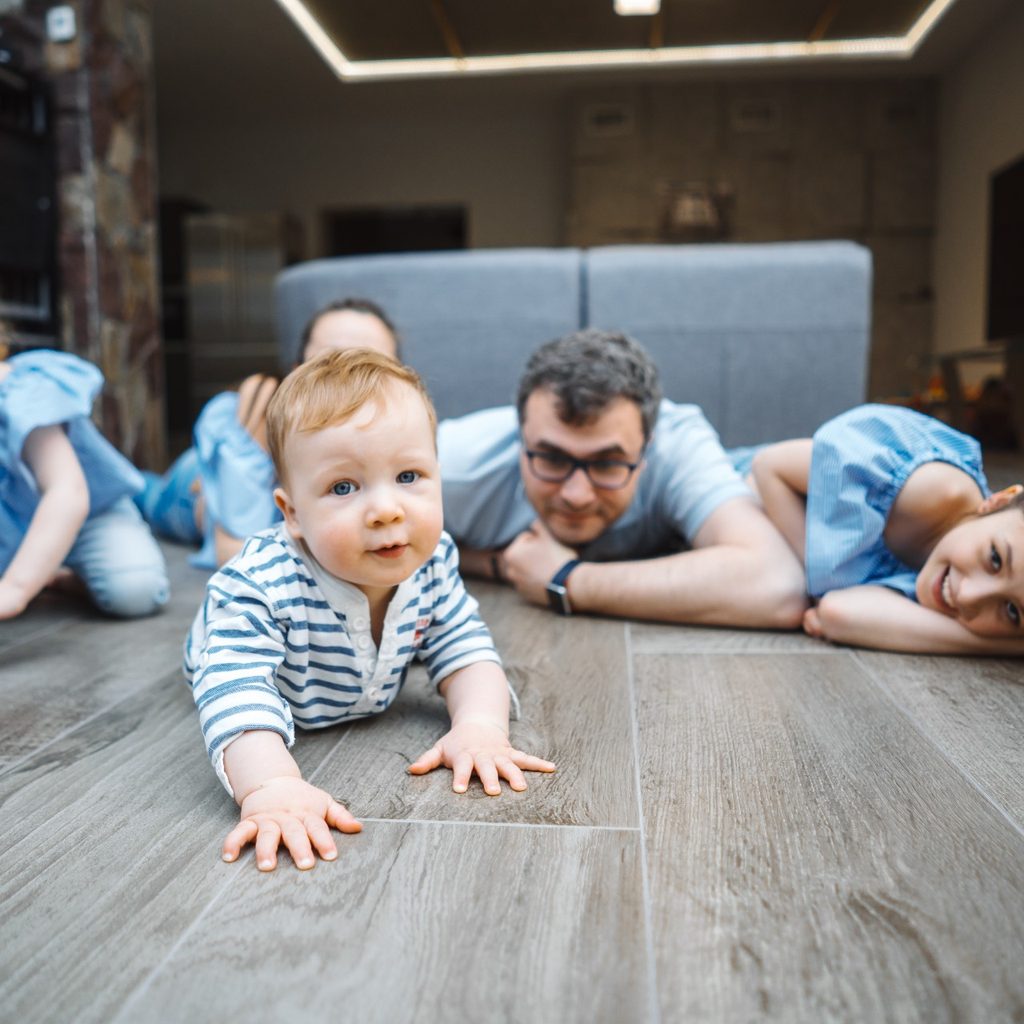
Show them how it’s done
As with any lesson for our children, it is much easier to lead by example and have our kids simply follow us into line than to attempt to expect them to do the exact opposite of our own actions without defiance. It’s easy to expect our kids will simply do the right thing because we believe them to be smart and good decision-makers. That being said, as parents, we must be the example – or role model – for our children, allowing them to visualize their own actions through our experiences. If a parent respects themselves, others, the environment, and authority, not only are they paving the way for a successfully planned and learned lesson for their child, but they are also living the example – thus driving the idea and theory behind the given respect home to their child with palpable authenticity.
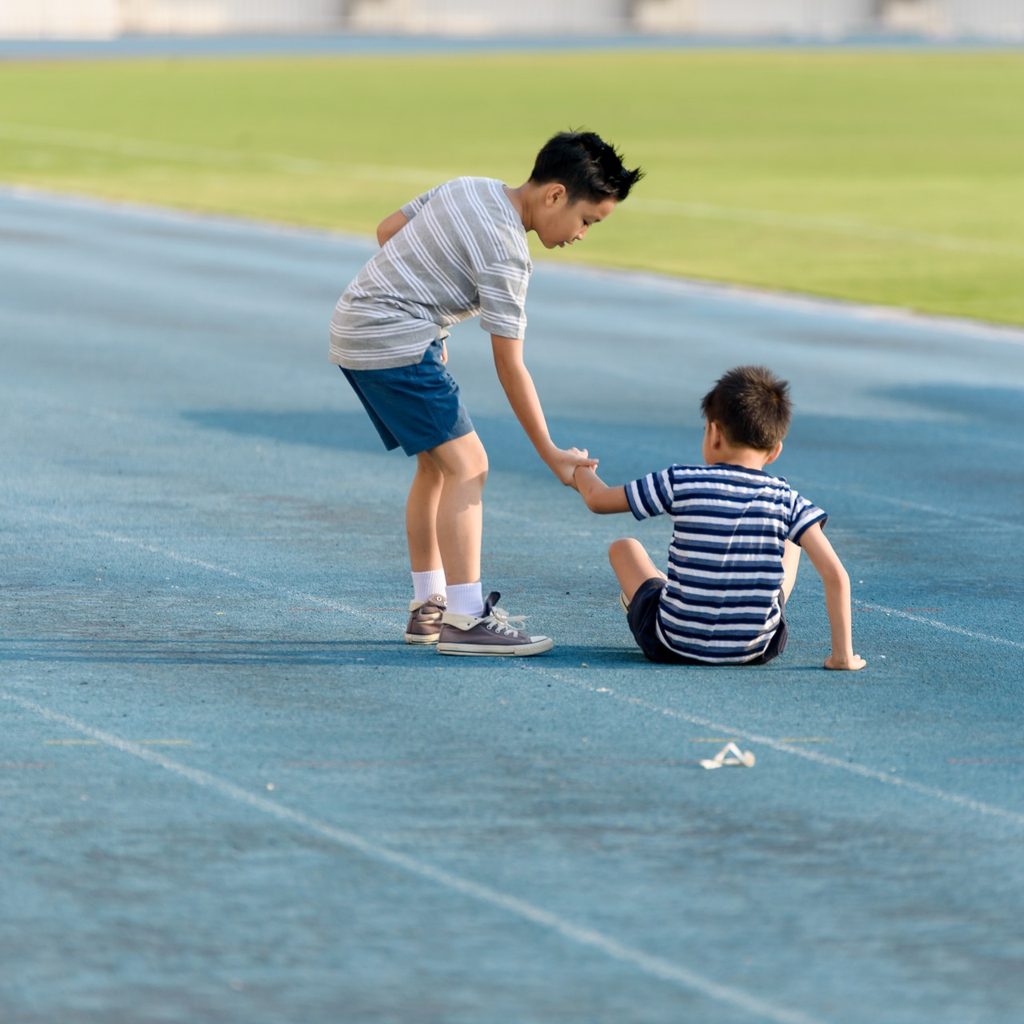
Subtle steps to set the pace
You see the importance of teaching your child respect and courtesy to others, and you live the lessons you are trying to teach. But maybe you’re not sure where to start tying the two together, creating a full circle experience for your child, and solidifying the household expectations. So, what are a few ways parents can initiate respectfulness to encapsulate the experience?
- Utilize the words/phrases such as: “please,” “thank you,”, “excuse me,” “may I, please,” “pardon me,” and showcase their use in different scenarios. Apply these words or phrases in your household, making them a part of your daily lives and routines.
- Validate their feelings, opinions, fears, and thoughts. By listening to your child’s words or needs you let them know you have heard them and understand they have a need to be met. Giving their request pause for consideration animates the actions taught in your lessons, setting the pace for them to exercise the same patience with others.
- Picking the right moment to intervene. If you see your child acting in a way that is less than respectful, assess the situation and triage it accordingly. Often – sometimes even during the heat of the moment — reacting or disciplining your child for their own disrespectful behavior can cause escalations, and thus causing the situation to bubble over and out of control. Waiting until tempers have cooled channels the best time for respect to exercised amongst all participants.
When it comes to teaching your child to exercise and expel the same kind of respect the hope to expect in return, it’s important for parents to remember that they lead their child in every direction by example. While the ideas and theories behind respect and how to teach it to young children may sound good and paramount to being a good parent, not all caregivers understand that the basics of these lessons are not planned teachings. They simply see how you, the parent, treat others. Kids are amazingly perceptive. It doesn’t take them too long to get things figured out, so leading your child to be a respectful person begins at home, with you guiding the way.


