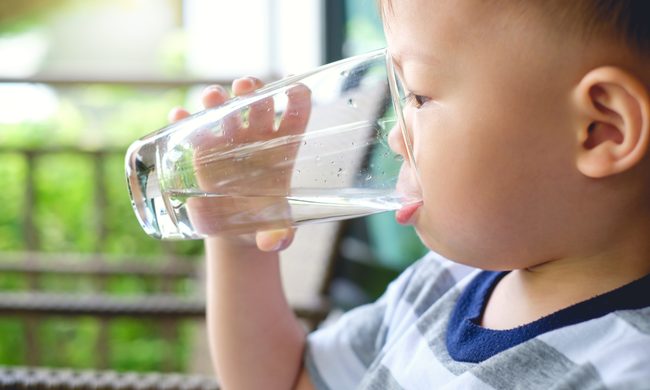
Solid foods are a milestone for babies and new parents alike. Watching your baby enjoy their first taste of solids is the first step in a lifetime of healthy eating habits. To help guide you, we’ve put together some pointers to determine if your little one is ready for this important first. Let’s take a look at the age recommendations, signs, and tips to make sure you’re also ready for this moment. Don’t forget to discuss with your pediatrician and keep the camera handy!
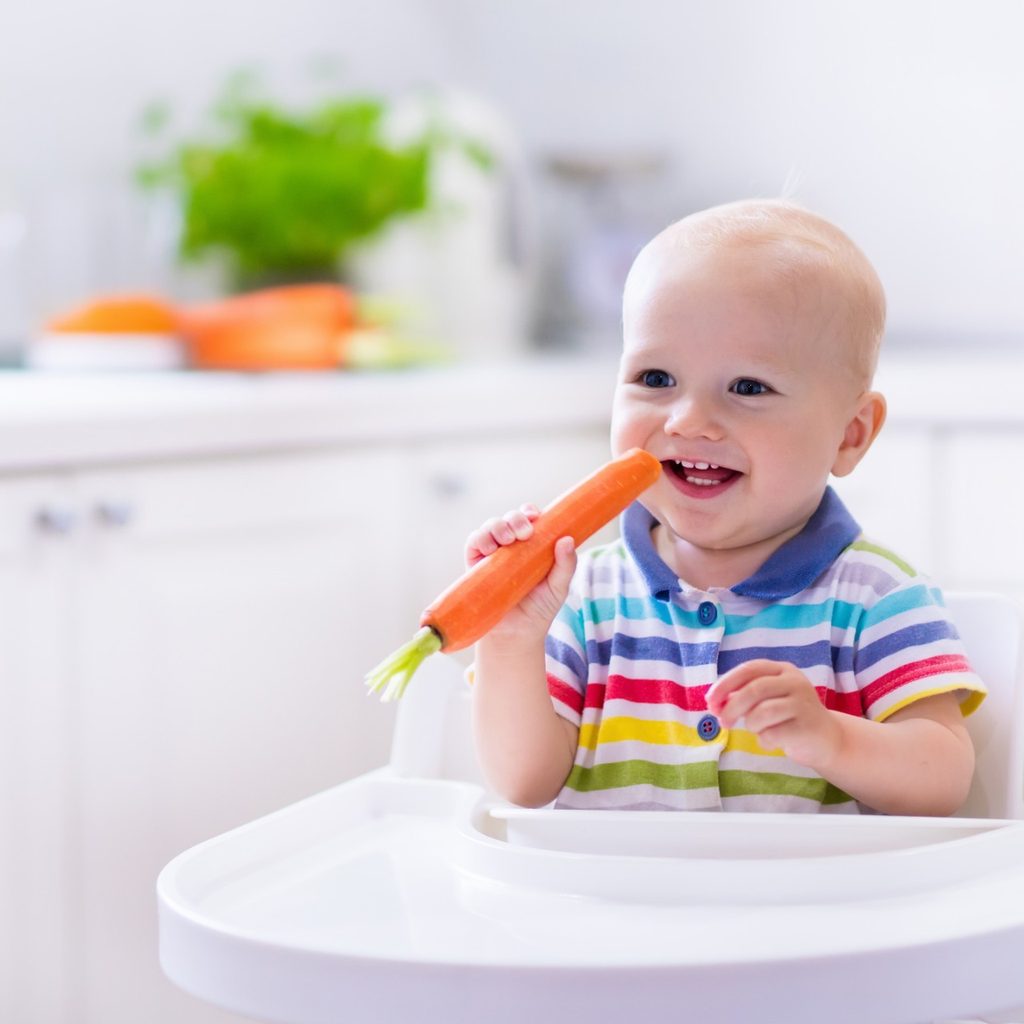
At what age is your baby ready?
It feels like yesterday when this little bundle of joy arrived in your life. Now, you’re already wondering if they’re ready to take their first spoonful of solids. If your baby is between 4 and 6 months old, chances are they’re as ready as you are.
This doesn’t mean you’re done with breast- or formula-feeding. It means that your little one’s tummy is ready for solids that’ll fill them up a bit more. It also means that baby’s developed the coordination to move solids from the front of their mouth to the back before swallowing.
Signs to look for
In baby time, two months can make a significant difference. If you feel that 4 to 6 months old is somewhat ambiguous, look for these other signs to let you know if your child is ready for solids:
- They show interest in your food. If your baby looks at your food, watches you chew, and moves their mouth when you’re eating, it’s a clear sign that they need more than just milk.
- They are able to hold their head steady in an upright position and sit up with support.
- They’ve doubled their birth weight and weigh 13 pounds or more.
- Milk is no longer enough to fill them up and they still seem hungry after a full portion of milk.
How to introduce solids
If your baby’s the right age and is showing signs of readiness, double-check with your pediatrician. Once you have the doctor’s OK, it’s time to introduce your little one to the deliciousness of solids. But not all at once!
Starting solids is a gradual process. Here are some good guidelines to follow:
- Offer single-ingredient foods.
- Don’t feed your baby anything with added sugar or salt.
- Wait three to five days before introducing a new type of food.
- If you don’t notice any rashes, diarrhea, or other signs of allergies you’re OK to add another ingredient to the mix.
- Start with a half spoonful and talk to your baby about what’s happening. Your calm voice will ease your baby through the process.
- Don’t worry if your little one rejects the food. Never force them, just feed them their milk and try again later or wait until the next day.
- Don’t serve solids from a bottle. This creates a choking hazard for your child.
Best first solids
Iron and zinc are essential nutrients to your baby’s diet. This is why many parents choose to start with fortified cereals that contain these two. After introducing these single-ingredient cereals, you can mix them with breast milk or formula and add other ingredients one at a time.
When you’re ready to add vegetables or fruit, be sure to puree and boil them as needed. Here are some tried and tested baby favorites:
- Apples
- Pears
- Bananas
- Sweet potatoes
- Avocado
- Carrots
Additional info
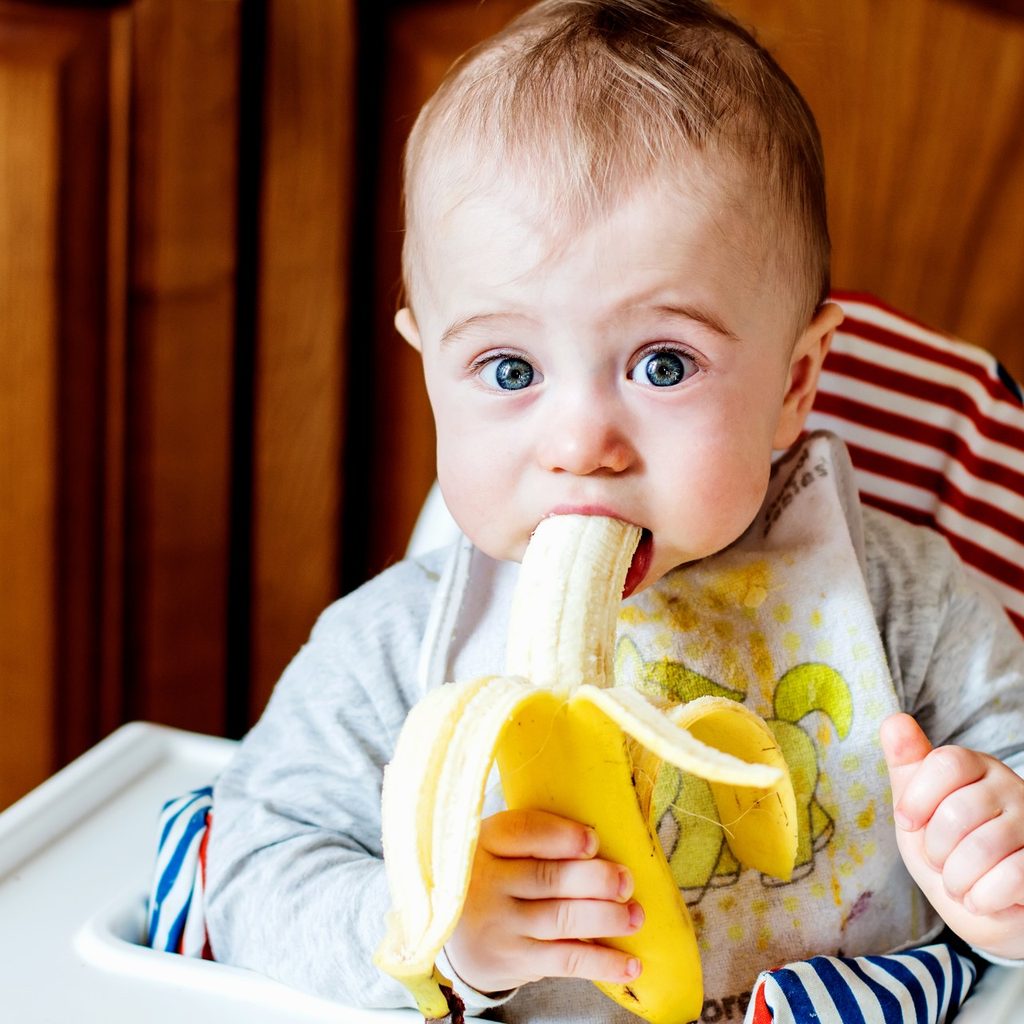
Feeding solids to your growing baby is not a straightforward process. Here are some additional tips to help you in this exciting stage of your little one’s life:
- It’s OK to add meat to your baby’s purees. Just remember to stick to one new ingredient every three to five days.
- Wait until 6 to 8 months of age to start on single-ingredient finger foods.
- By 9 to 12 months, your baby may be ready for chopped or ground foods.
- Avoid honey before your baby is 12 months old. It can cause botulism if introduced too early.
- Don’t switch to cow’s milk until your baby is 1 year old. They need breast milk or formula during the first 12 months of their life.
- Stay away from nuts, seeds, grapes, or other common choking hazards.
Just when you were getting the hang of breast or bottle feeding, your baby’s now ready for solids. Welcome to parenthood. The good thing is that, when babies are ready, they love trying new foods and dinner turns into your family’s favorite time of day. Take this as your opportunity to make unforgettable memories and establish healthy eating habits that will last your little one a lifetime.